
By Jim Goyjer
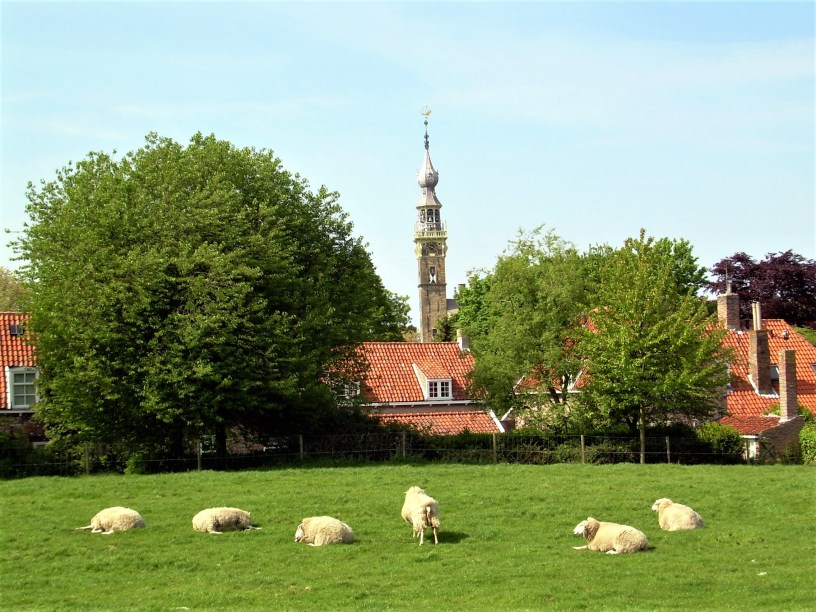
The small historic town of Veere (pop. 1,616) in the province of Zeeland in the Netherlands is unique for its strong kinship to Scotland. No other European town played a more important economic role for Scotland than Veere once did in the 16th and 17th centuries.
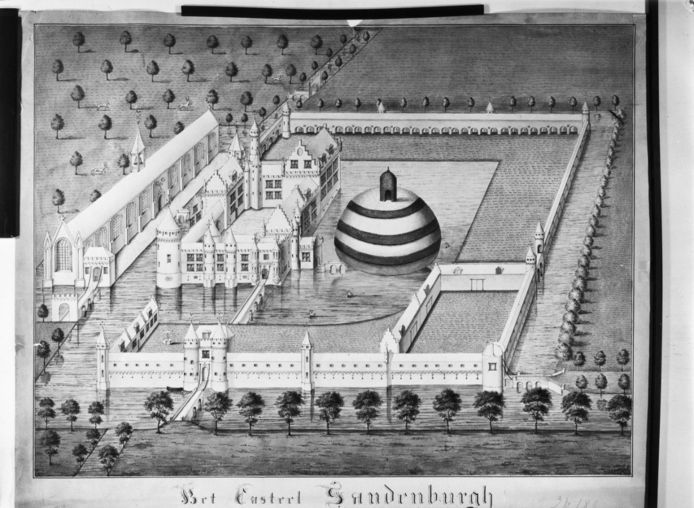
Located on the land-locked island of Walcheren in Zeeland, Veere was a mere harbor hamlet in the 13th century with direct access to the North Sea. It was founded by nobleman Wolfert I van Borselen (1245-1299) in 1281 when he built a modest ferry house complete with a ferry, hence the name Veere (ferry). After he built an enormous castle nearby called Zandenburg, he needed a ferry to get off the island for business and groceries.
By the time Wolfert’s great-grandson, Hendrik I van Borselen (1336-1401), was born, Veere had become a notable commercial center. In 1355 the town was declared a city, and it received city rights, allowing it to hold markets, collect tolls and build a city wall.
A few generations later, the van Borselens had become prominent enough that Wolfert VI van Borselen (ca. 1433 – 1486) was able to marry Scottish princess Maria Stuart, daughter of the Scottish king James I and Joan Beaufort, in 1444. Trade ensued and Veere became a flourishing trading hub. Foreign trade became so significant that faraway Italian bankers and loan sharks, called Lombards, opened a pawn shop.
The primary reason the Scots contributed greatly to Veere’s growth is that in the 12th century there was a surplus of wool in Scotland and England. The production of wool exceeded the needs of the people. They needed baling out. Founded and subsidized by King David of Scotland, the Catholic Cistercian monks of Melrose Abbey started exporting Scottish wool, duty free, into Flanders. This right was formalized in 1407 by a decree of the Duke of Burgundy, a Catholic who ruled the Netherlands at that time. He created the office of Conservator of Scottish Privileges with its headquarters in Bruges. More and more wool was exported to towns along the North Sea and the Baltic coasts of the Low Countries, France, and Germany. It was an early version of the European Union.
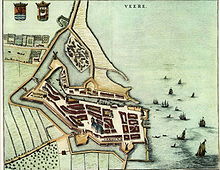
When the River Zwin silted, access to Bruges’ harbor became impossible. Despite efforts by its citizens to retain the monopolistic Scottish Wool Staple Rights, the Conservator of Scottish Privileges left Bruges and set up HQ in Middelburg in 1518, a stone’s throw from Veere. Another reason why they left was the growing pressure from Spain and France to force Roman Catholicism on Flanders. When this same religious pressure was felt in Middelburg, the HQ was moved in 1541 to Veere, where the local Catholics sympathized with the Calvinist views of the Scottish trading community and of the Dutch Republic. Faith in money was more important than faith in Rome.
Veere flourished most significantly in the 16th century, when it became the primary port for Scottish wool. The Staple Rights contract granted Veere a monopoly on importing, storing and trading Scottish goods in the Netherlands. Other major imports were coal, hides, whiskey, flax, grain, and fish. Exported to Scotland were cloth, tiles, leather, brassware, weapons, wines and Dutch gin. During the sixteenth century, 50 to 60 ships a day sailed in and out of town. In the 17th and 18th centuries, Veere had about 750 houses inside its city walls. Of the 3000 residents, 300 were Scots.
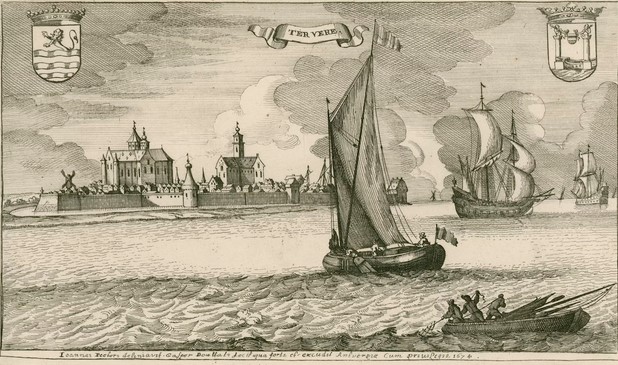
The Scottish community in Veere enjoyed an unprecedented degree of autonomy that included tax exemptions. It was governed by their own town marshal called Lord Conservator who had an office at the House of the Scottish Nation, a complex that included a hotel and a tavern that sold tax-free beer! The Scots even had priority rights on berths in the harbor, a sort of VIP parking. They were required to wear well-dressed kilts, including underwear…allegedly. In 1612 the Scottish community was given the right to establish a kirk (church) along with their own priest and graveyard. The church was the first Scottish Kirk established on foreign soil.
The Napoleonic wars brought an end to the wool trade and Scottish Privileges. The Scottish Staple was considered elitist by the French. “Liberty, Equality, Fraternity” (in French ‘ Liberté, Égalité, Fraternité ’) inspired free trade and caused the decline of Veere’s prosperity and wealth. In 1798 most of the Scots scooted back home, leaving Veere with only 15 Scots men and women. The Kirk was closed, and on December 1, 1799, with the cancellation of the Scottish Staple Contract, Veere again became a poor fishing port. The Scottish church was demolished in 1837.
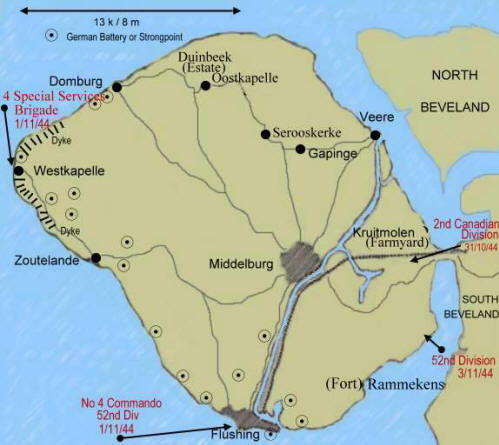
Nevertheless, the Scots connection was not forgotten in Veere. On November 7, 1944, it was the British 52nd (Lowland) Infantry Division of Scotland and other Scottish units that liberated Veere during the Second World War. As part of the preparations for the operation, Operation Infatuate, Walcheren island’s sea dikes were bombed, resulting in the inundation of much of the area. Unlike many other towns on the island, Veere was virtually undamaged in the fighting. Commander Lieutenant-colonel Claude F. Nason wrote about seeing Veere, “what a terrible crime it would be to destroy this lovely old town with its historic connections with the wool trade of Scotland.” A monument was erected in November 1998 to commemorate the event with the unveiling of a memorial, attended by Scottish Veterans.
On Saturday night January 31, 1953, a gigantic North Sea storm and flood surge struck the Netherlands, Belgium, England, and Scotland. The Zeeland dikes were breached in 67 locations. Large parts of South Holland, Zeeland, and North Brabant were flooded. Veere was among the many towns and villages engulfed by seawater.
Subsequently, the Dutch government’s Delta Commission estimated that the flood killed 1,835 and forced the evacuation of 70,000 people. Floods covered 9% of Dutch farmland, and seawater inundated 1,365 km2 (527 sq. mi) of land. An estimated 30,000 animals drowned, and 47,300 buildings were damaged, of which 10,000 were destroyed.
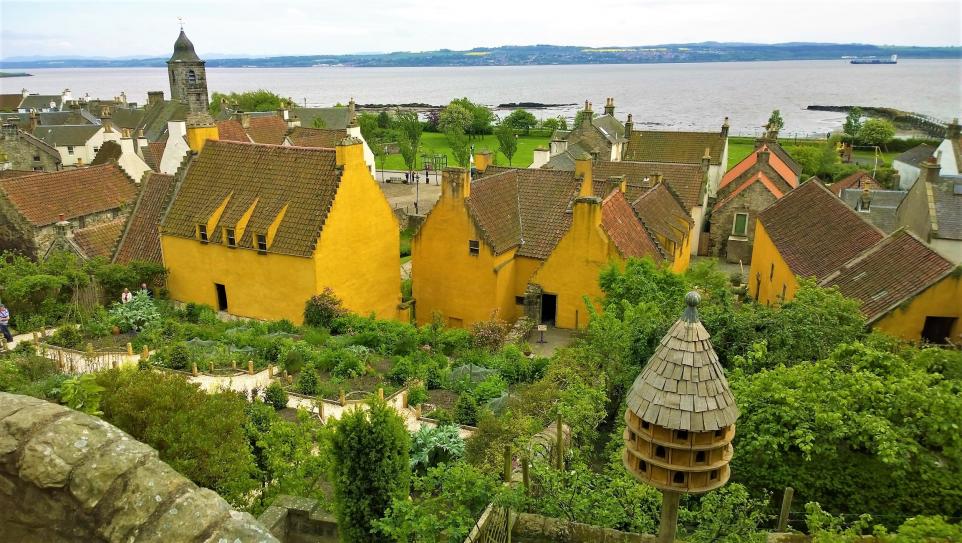
Over the years the bond between Scotland and Veere remained. Veere’s sister city is Culross (Pop.395), a former port from which goods, mainly coal, were exported to the Low Countries through Veere. During the 16th and 17th centuries, the town was a center of the coal mining industry. Culross was also known for its monopoly on the manufacture of “girdles,” flat iron plates for baking over an open fire, not the kind women wore.
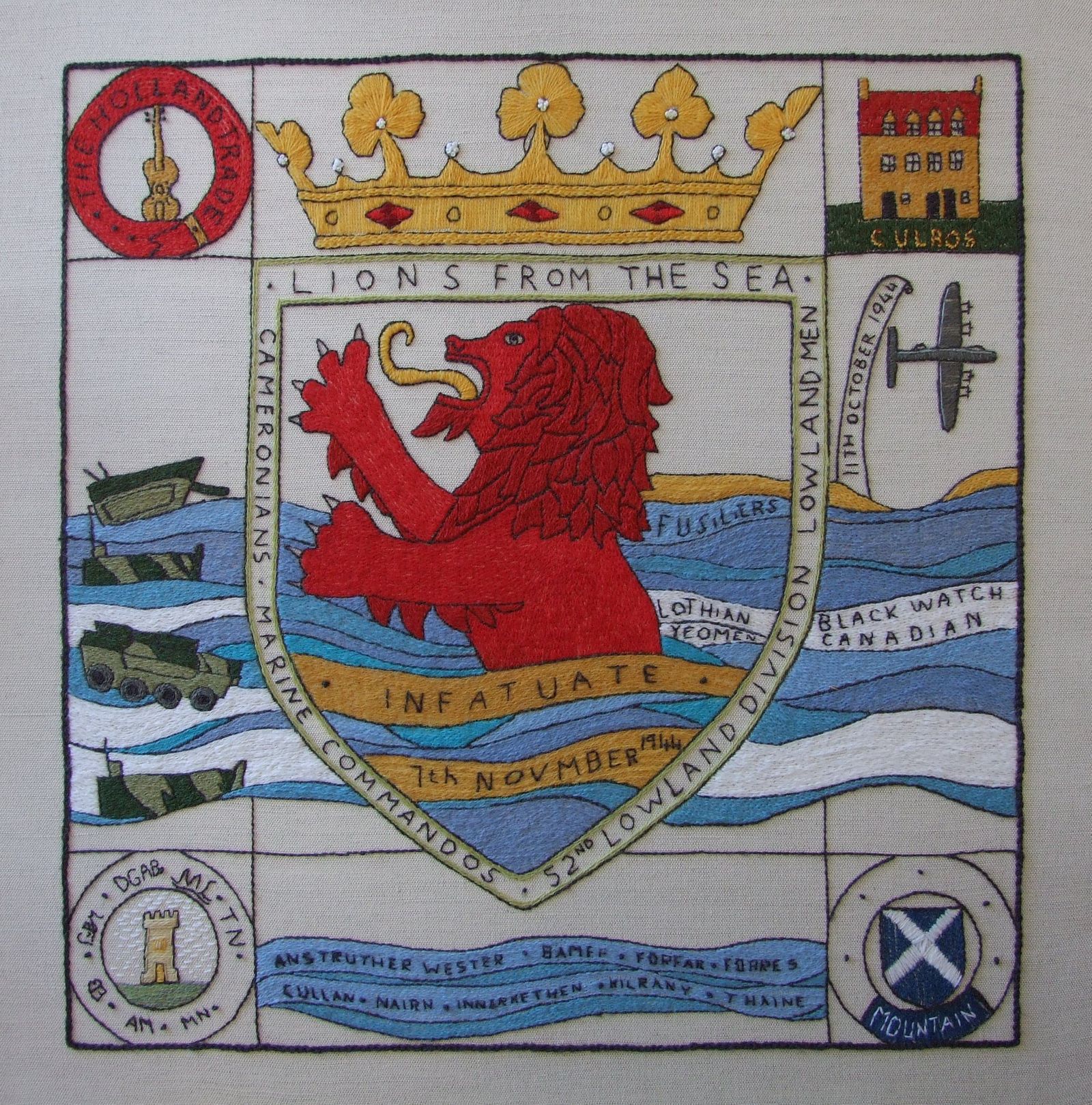
In 2012, Scotland designed a large 153 meters (502 ft) in length, tapestry artwork. The tapestry consists of 305 panels, depicting the history of the migration throughout the centuries. At various places around the world, volunteers embroidered “their” own parts of the tapestry, called “panels.” This magnificent and inspiring tapestry was embroidered from 2012 up to 2014 in 34 countries to which Scots immigrated to create their diaspora. Veere was assigned the production of six of these. The tapestry had its world premiere in 2015 in Veere. This artwork is still touring around the globe.
© Jim Goyjer Photography
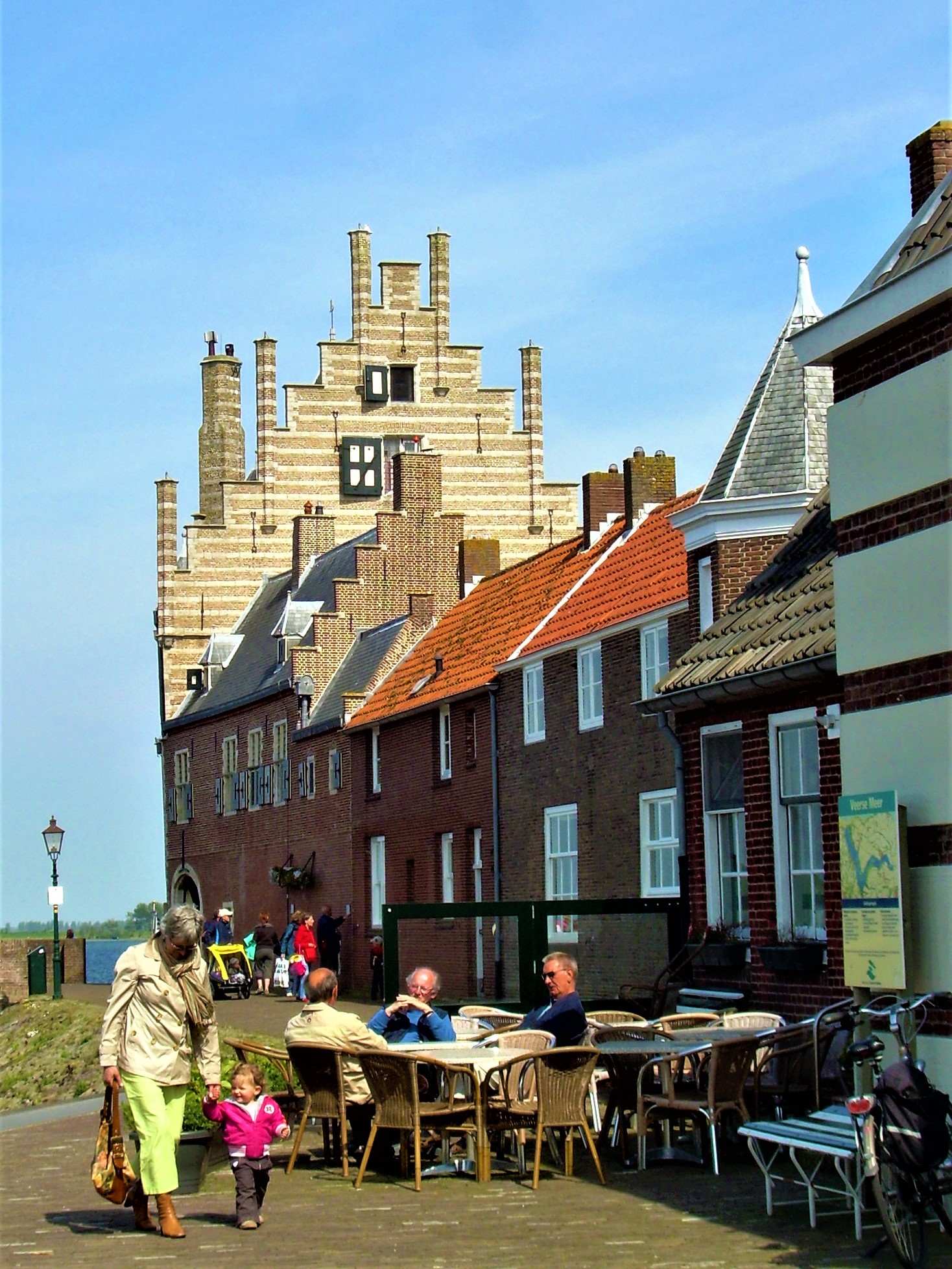
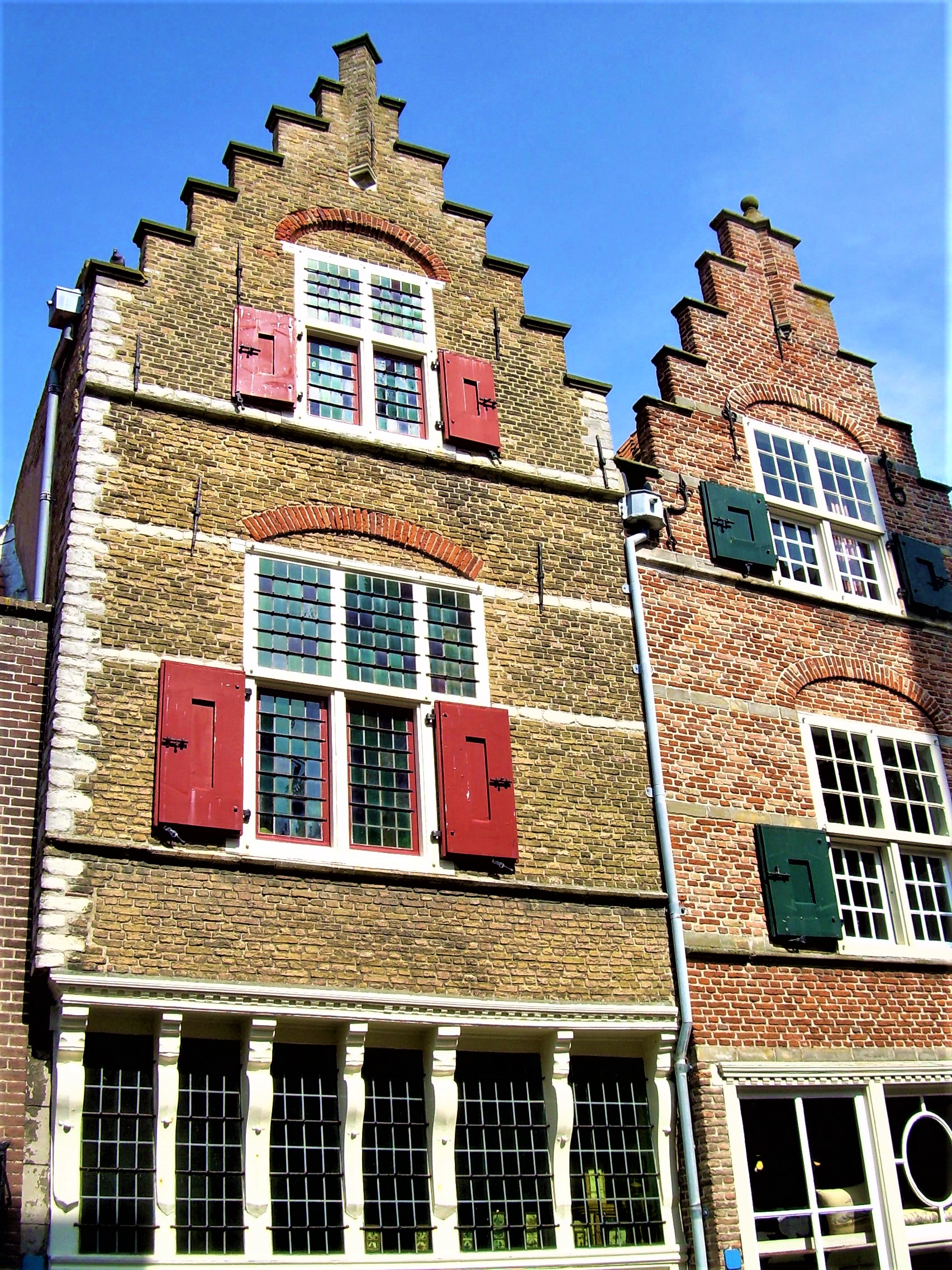
The once mighty Veere is now a beautiful tourist town on the Veerse Meer lake. Where richly laden ships from Scotland once moored, pleasure yachts now bob in the harbor. The picturesque town is one of the seventeen government protected cities and towns in Zeeland because of its numerous monuments and historic townscape.
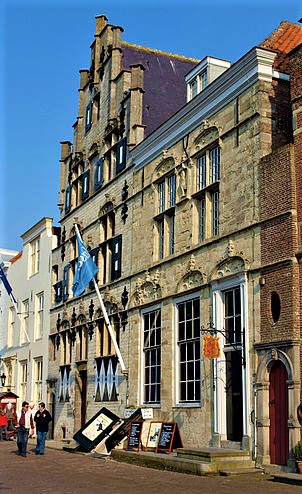
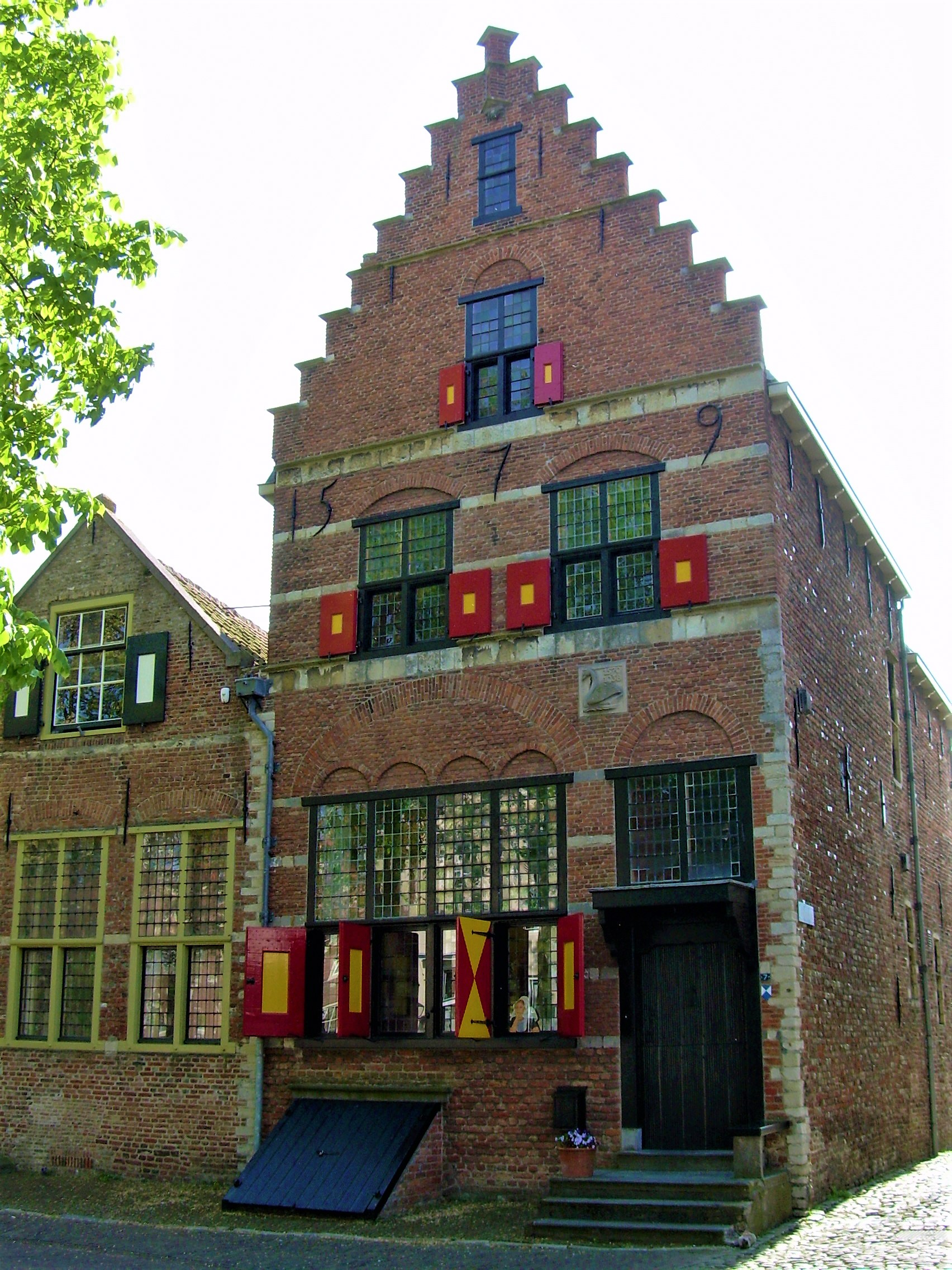
The museum De Schotse Huizen aan de Kaai (the Scottish houses on the quay) commemorates the Scottish heyday in the town. The museum is spread over two Scottish merchants’ houses, Het Lammeken and De Struijs. It includes a Scottish Room, decorated as a reception room, and a recreation of the office of the Scottish governor, Lord Conservator, who once ruled in Veere.
© Jim Goyjer Photography
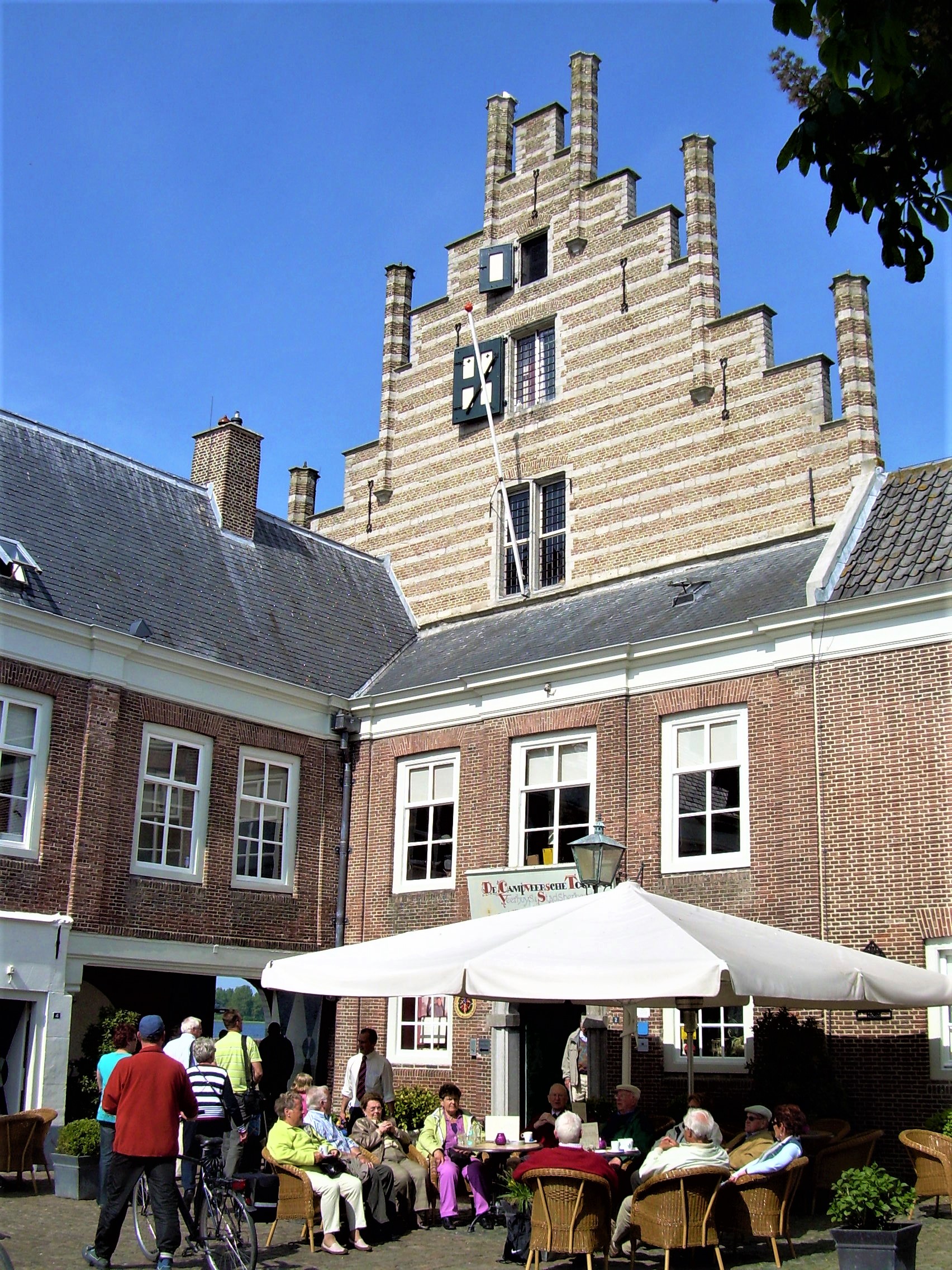
Built as part of the city’s defenses in 1400, the Campveerse Toren (Campvere Tower) is an imposing and monumental defense structure at the harbor’s entrance. It’s a monumental defense structure meant to defend the port of Veere. Over the centuries the building has been shot at, partly destroyed and rebuilt. During the Second World War, the western wing of the tower was levelled by Nazi occupation for artillery clearance to the North Sea. The restored and imposing tower endured two floods, from dikes bombed in 1944 and the “perfect” storm in 1953. The entire complex was restored in 1950 and again in 2007. It was registered as a national monument in 1967. Today the building is a luxury hotel with a fine dining restaurant. It remains one of the oldest inns in the Netherlands.
© Jim Goyjer Photography
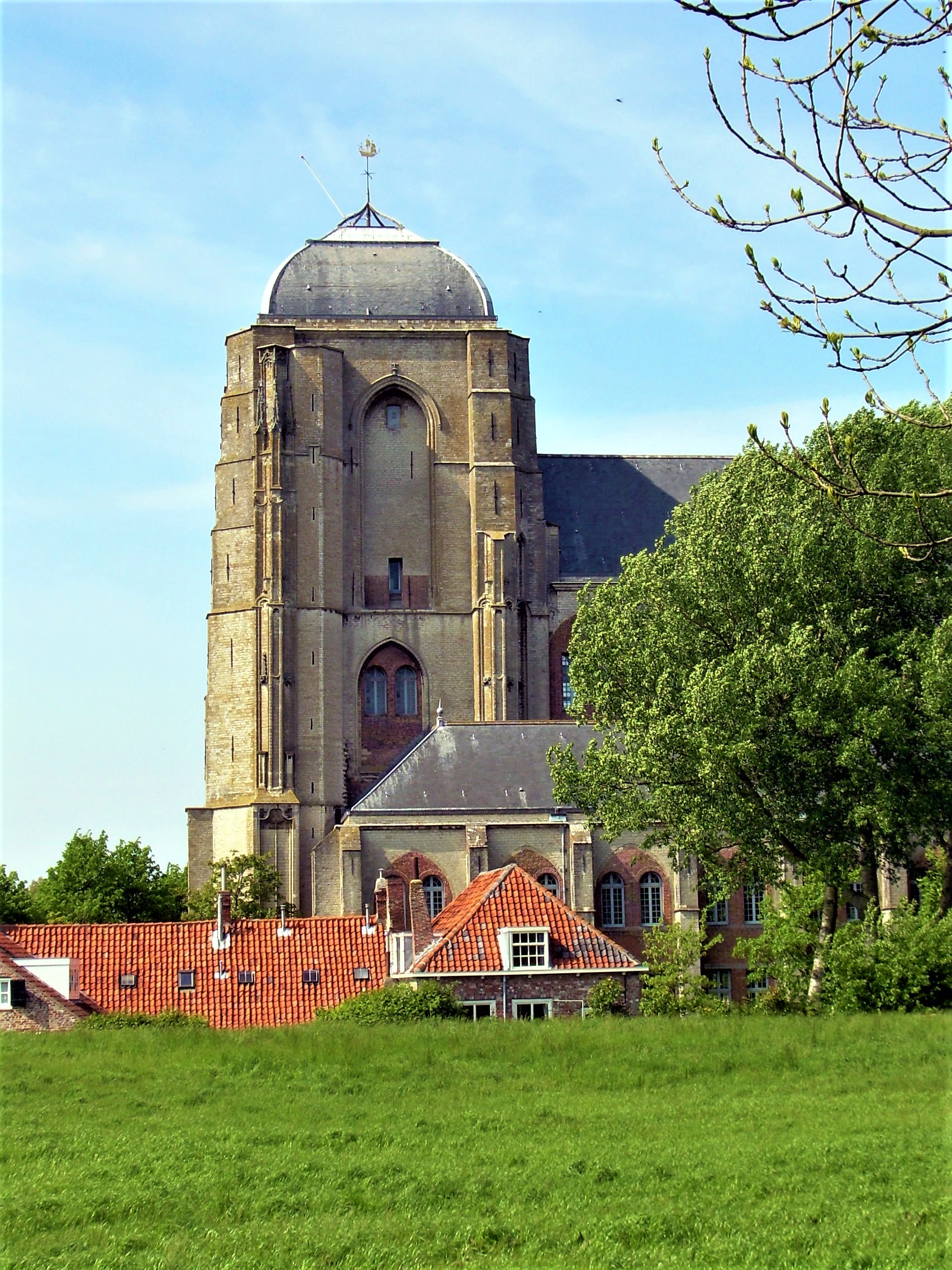
The impressive Grote Kerk (Large Church) was founded in 1342. It was originally known as Onze Lieve Vrouw Ter Sneeuw (Our Lady of the Snow). With its blunt tower, it was completed in 1520 and is an icon of Veere. Scotland’s princess Mary Stuart who died in 1465 was buried here. The church has played many roles over the years. It was originally a house of worship for Catholics and after the Reformation in 1572, for Protestants. It was also a French military hospital in 1809 and a poorhouse at some point in its history. During the 19th and 20th centuries the nave of the church was used as a stable, indoor football field, banquet hall and storage facility for a contractor and a timber trader. After the flood of 1953, it was used as an emergency barn for the rescued cattle. It was not until the 1970s that the church received its cultural designation. Today, it’s Veere’s cultural center.
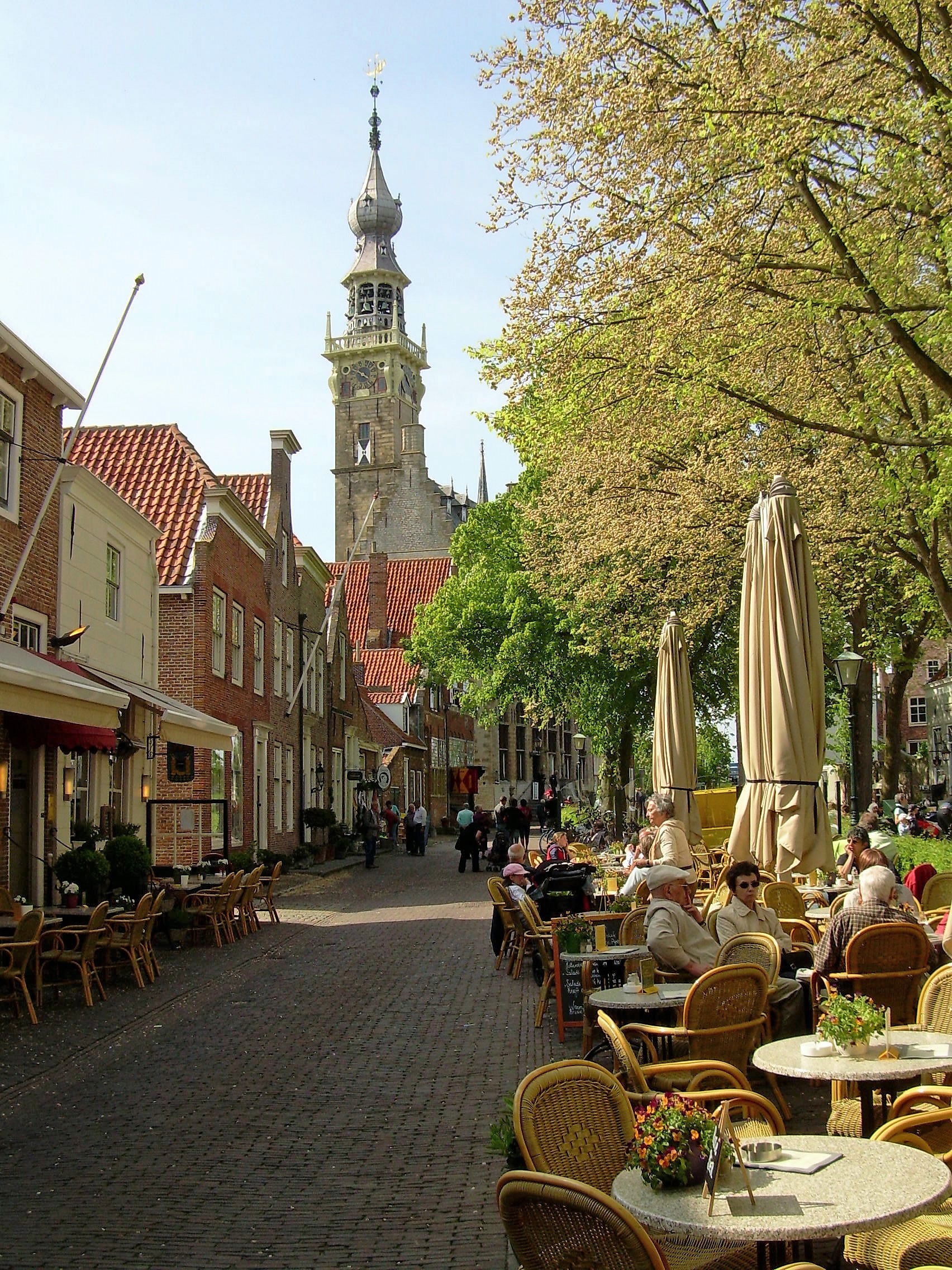
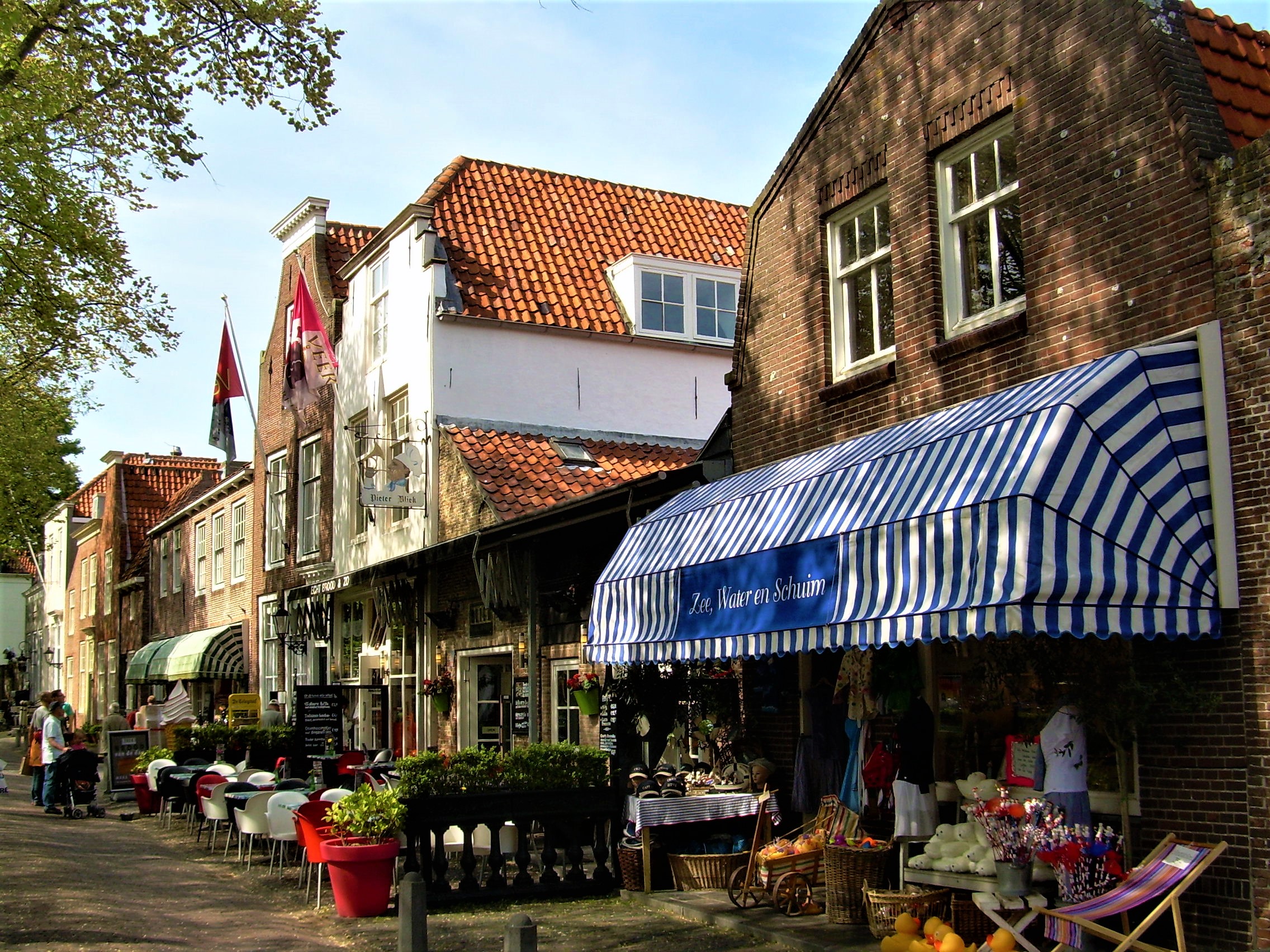
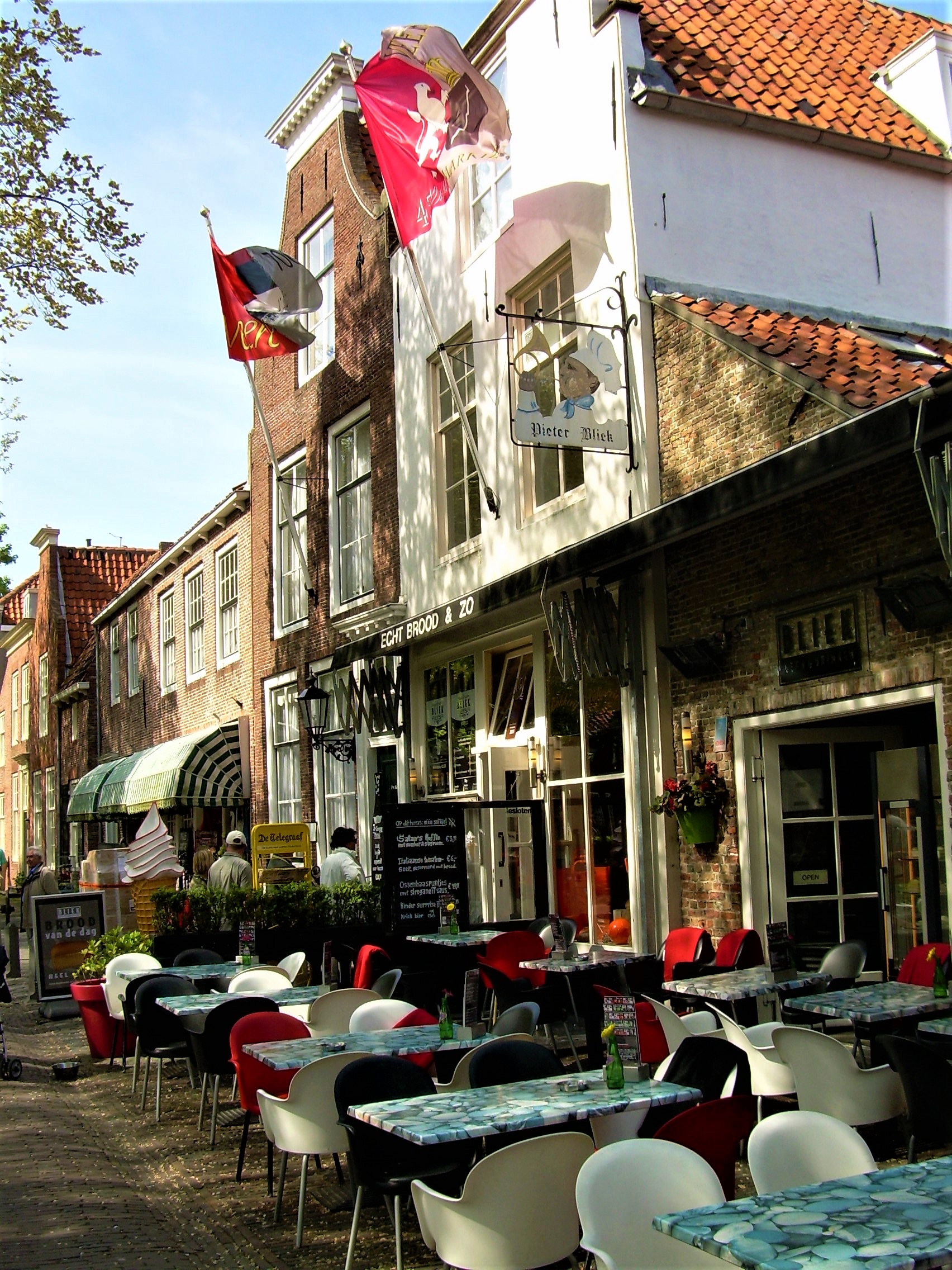
Veere is worth a visit. The center square may be small, but the atmosphere is soaked with history along with the small streets. They are a reminder of the town’s glory days. You can go shopping there any day of the week. The charming shops offer clothing, culinary delicacies, decorations, and, of course, souvenirs.

 Jim And Nanci Travels