
By Jim Goyjer
9 min read
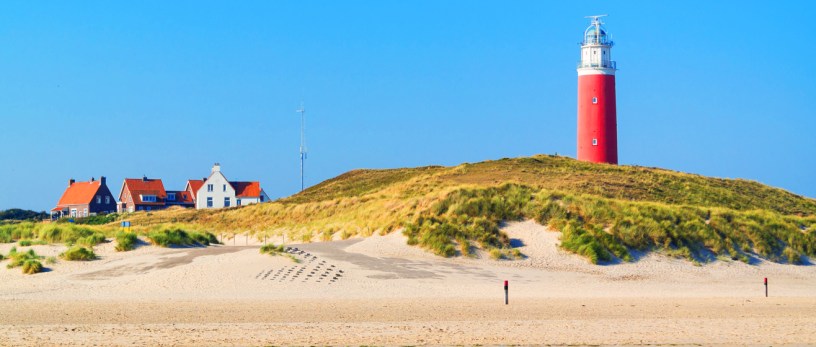
The serene island and city of Texel has had a rich, dynamic and turbulent history, which includes a brush with the American Revolution and a location of WWII’s last battlefield. Now it’s a paradise for hikers, cyclists, horseback riders, balloonists, skydivers, artists, and sheep. Texel has something for everyone, from historians and nature lovers to sheep watchers and birdwatchers. It even has a Bird Information Centre. No sheep information center, but it does have its own breed of sheep, the Texelaar.
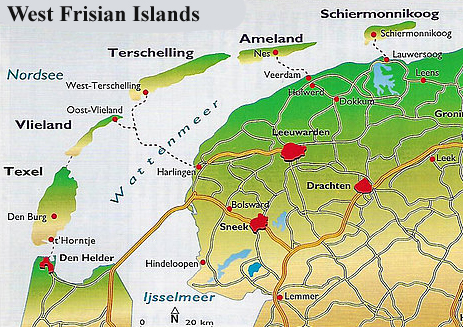
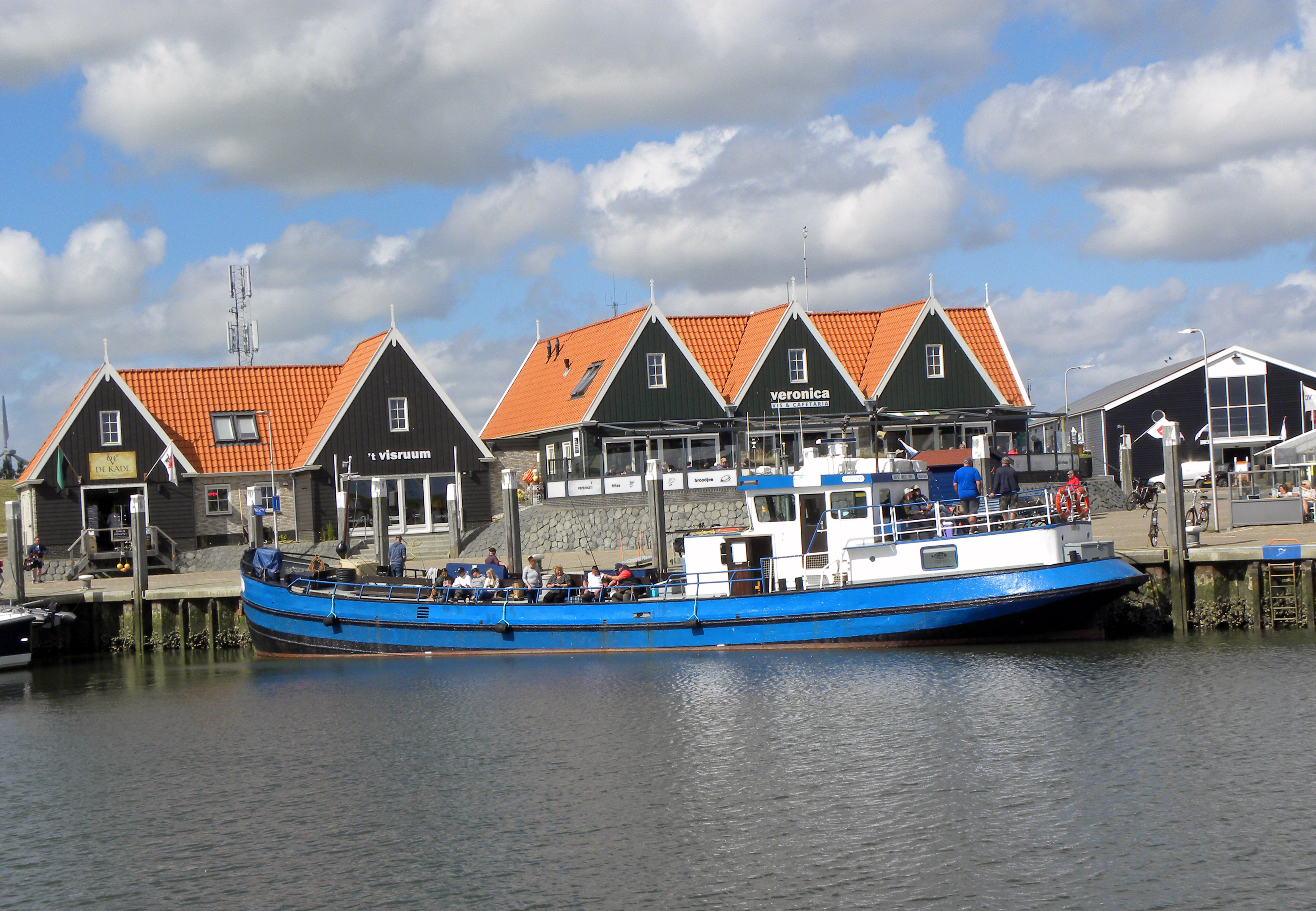
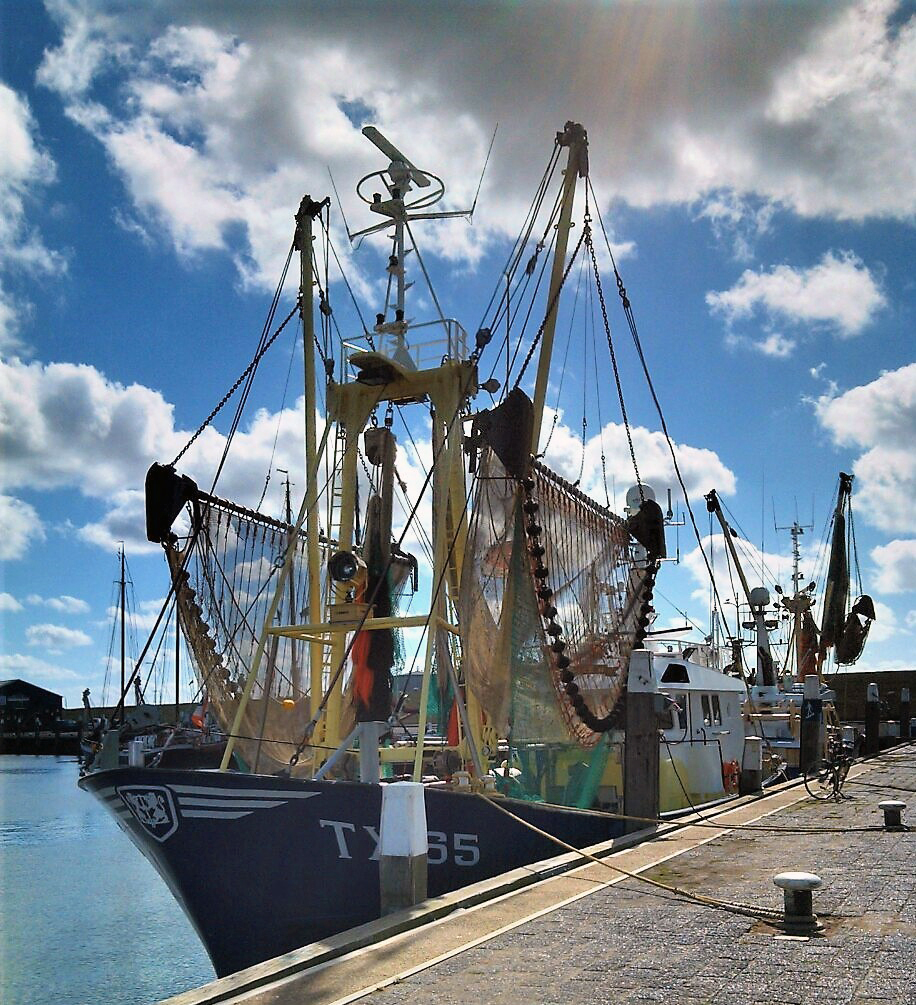
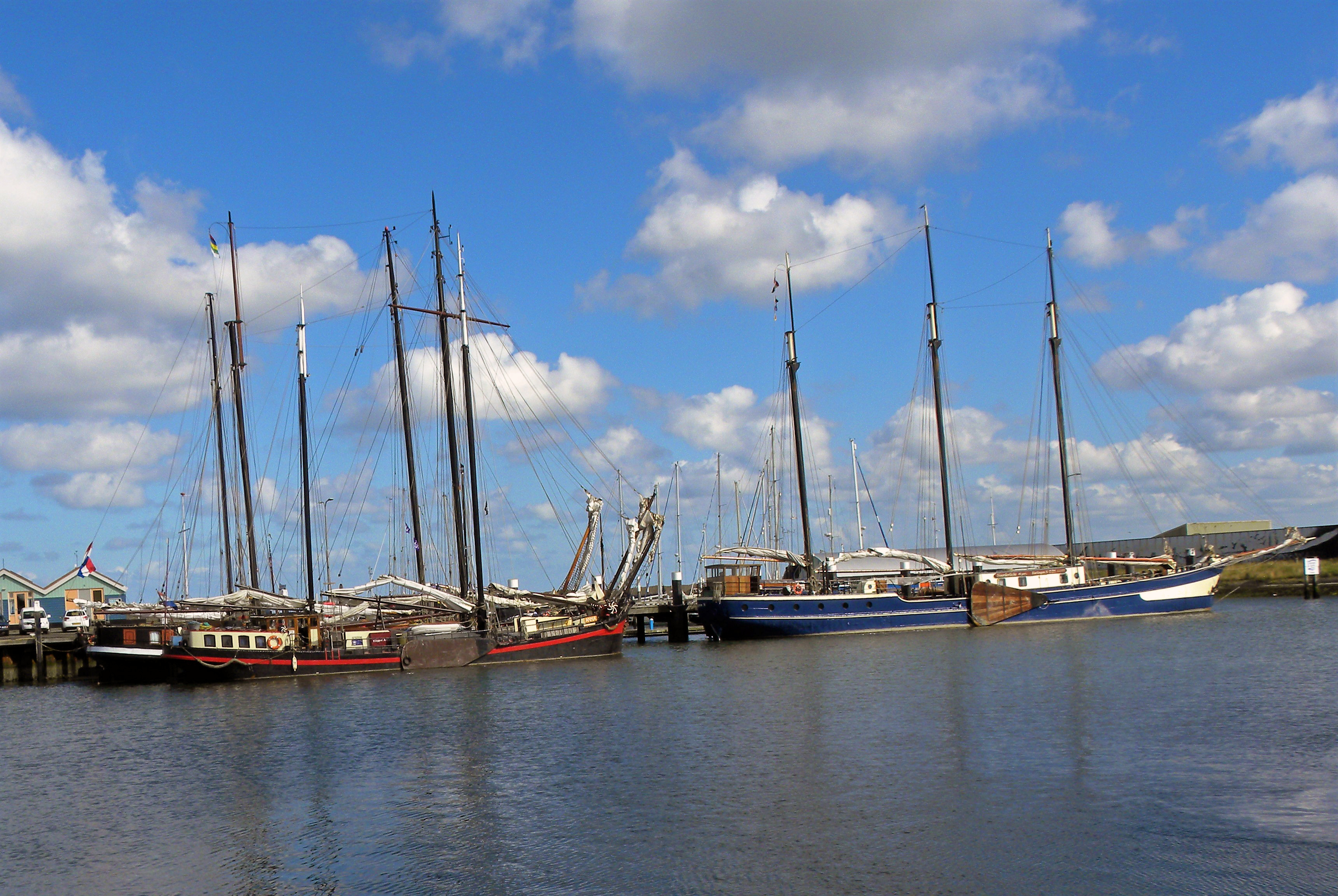
Texel (pronounced Tessel) is the largest of the West Frisian Islands with nearly 14,000 residents. It is also the largest city, in area, in the Netherlands. Larger than Amsterdam. Who knew. In 1415, Texel island received city rights from William VI, Count of Holland, who ruled from 1404 to 1417, when he died from a rabid dog bite. The city island is 20 km (13 mi) long and 8 km (5 mi) wide, and it contains seven villages. The largest is Den Burg, located in the center of the island. Oudeschild is the only village with a harbor.
The West Frisian Islands chain is part of the Netherlands and consists of 14 islands, four of which are inhabited. The chain is also called the Wadden Islands, since they are in the Wadden Sea. The Wadden Sea is more of a mud flat than a sea. At low tide, a favorite outing of the Dutch is mud walking (in Dutch: wadlopen) on the Wadden Sea from the mainland to one of the islands. It could take several hours. In 2009, the Wadden Sea, that runs along the coasts of the Netherlands, Germany and Denmark, was included on UNESCO’s World Heritage List. It is also the largest continuous national park in Europe.

Much of Texel’s dunescape is part of the Duinen van Texel National Park. The Park covers all the island’s dunes and woodlands on the west side, from the southern tip to the northern tip. It’s a natural barrier against storms and pirates. One third of the island is a nature reserve.
The first sign of humans on the island dates back to the Stone Age, 8000-4500 B.C. Permanent residents didn’t appear on the island until the Middle Bronze Age, around 1000 B.C. The remains of ancient burial mounds can be found near the village of Den Burg.
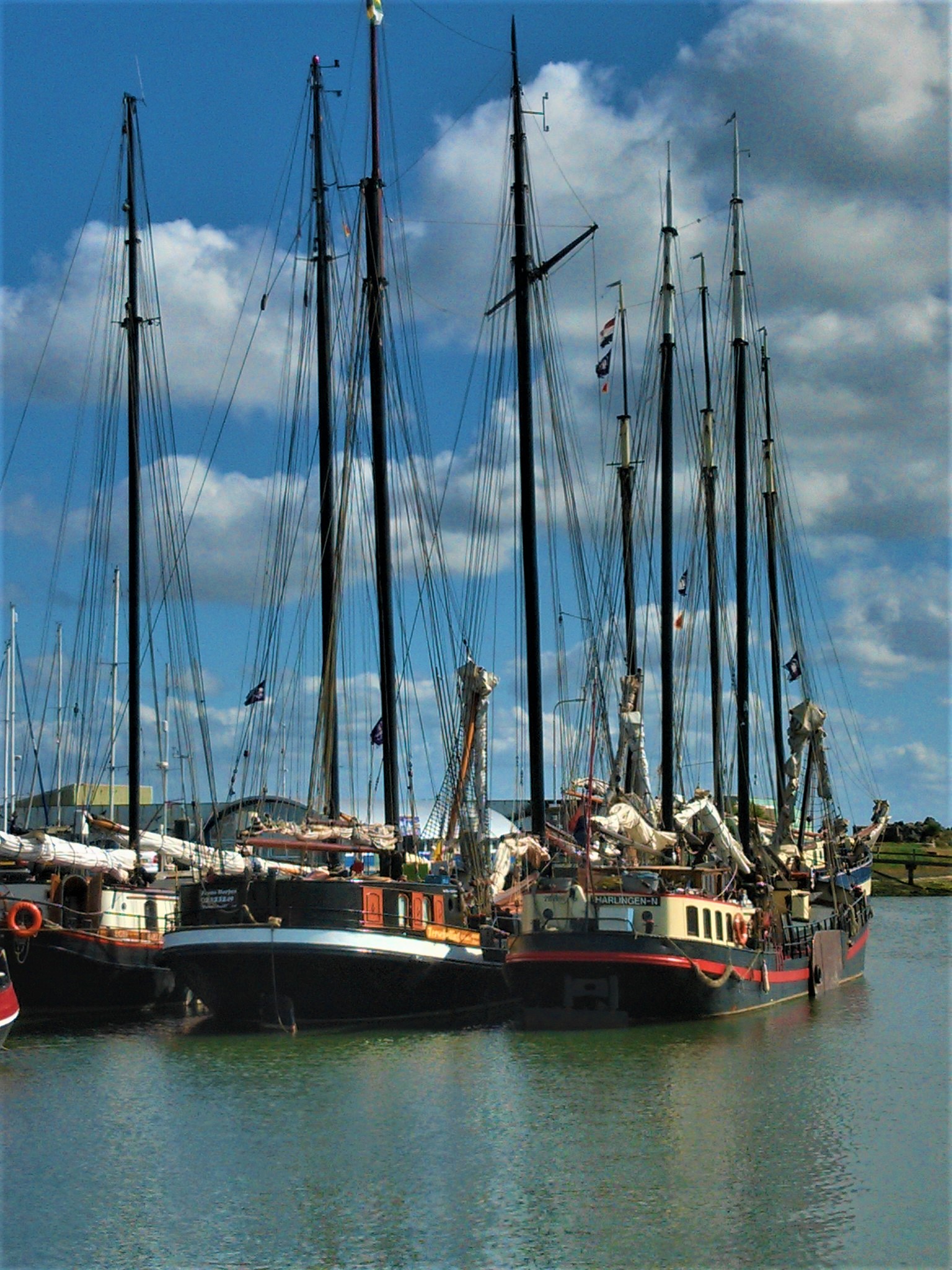
Texel reached its wealthy pinnacle in the 17th and 18th century when fleets of merchant ships of the Dutch East India Company procured supplies for their long journeys in a protected and sheltered inlet near the port of Oudeschild. The inlet, called the Reede van Texel, was established in the 15th century. Ships leaving from locations around the Zuider Zee would anchor off the Reede van Texel, waiting for favorable winds to sail to the Baltic countries, France, Spain, and Portugal and later also to East India. The 17th and 18th centuries were the boom centuries for the island, until the Dutch East India Company went bankrupt in 1799 due to debt and corruption. The Dutch government revoked the company’s charter and took over its debts and possessions.

During the American Revolution, Texel was used as a safe haven for the USS Bonhomme Richard, a Continental Navy warship named for Benjamin Franklin (Benjamin Franklin adopted the pseudonym of “Poor Richard” in 1773 for his writing of “Poor Richard’s Almanack.”), under the command of John Paul Jones. On September 23, 1779, a naval battle ensued between the USS Bonhomme Richard and the English Royal Navy’s HMS Serapis. When the Bonhomme Richard was badly damaged by the outgunned Serapis, the captain of the Serapis called upon Jones to surrender. Jones then uttered his most famous words, “Sir, I have not yet begun to fight.” After four hours of mayhem and lives lost on both sides, Jones captured the Serapis. The heavily damaged, burning man-of-war Bonhomme Richard sank off the British coast and Jones sailed the Serapis, with 600 prisoners and his wounded crew, to Texel for desperately needed repairs and caring for the wounded, which took several months.
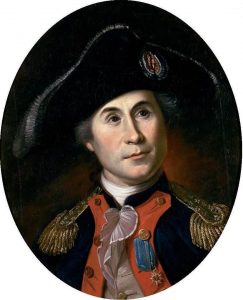
The Dutch Republic led by the Prince of Orange, William V, an anglophile related to the British monarchy, declared the Republic a neutral country and did not recognize the U.S. Dutch rebels in Holland who opposed the current Dutch Republic’s government identified with American patriots. The Dutch insurgents had been supplying the American revolutionaries with arms through a third party for several years. The prince was not pleased with Jones using Texel for repairs but did not want the British, who blockaded Texel, to attack him in the harbor. Prince William and the British ambassador wanted Jones arrested. Nothing came of that. The Dutch supporters, along with the French ambassador who disliked the English, provided supplies and protection to Jones, his ship and men, for which Jones was very grateful.
During the ship’s repair, Jones did a public relations tour and got acquainted with Dutch bankers and investors in Amsterdam. Jones sailed away from Texel in December 1779, outwitting the British blockade. A year later, the English declared war on the Dutch for the fourth time, (What are friends for?) because it accused the Dutch patriots of shielding Jones, for indirectly supporting the American Revolution with supplies and some other trade issues. In 1782, Dutch bankers in Amsterdam were one of the first to finance the American Revolution.

World War Two’s last battle happened in Texel at the end of the war in 1945. For five years, during WWII, daily life on Texel was frightful. The German occupiers sent hundreds of Texel men to Westerbork concentration camp in the Dutch province of Drenthe. They built 550 bunkers all over the island, as part of the 5,000 kilometer (3,000 mile) Atlantic Wall, built to withstand an allied invasion. When the allies started bombing raids into Germany, they had to fly over Texel. German anti-aircraft and fighter planes shot down many allied aircraft on or near Texel. As many as 167 airmen from the UK, Canada, New Zealand and Australia were killed, 44 of them never identified. Circumstances changed in April 1945.
As Germany’s defeat became apparent, the German command was forced to enlist prisoners of war from the Eastern Front. Among them was the 822nd Georgian infantry battalion. It arrived at Texel on February 6, 1945, composed of 756 Georgians and 246 Germans. To escape their horrific conditions as prisoners, the Georgians saw themselves as forced mercenaries.
The Georgians disavowed themselves from the Germans and revolted on April 6. The mutiny went smoothly until the German’s sent reinforcements. It took five weeks to quelch the uprising. Nearly 1,500 soldiers and civilians were killed, and Texel was heavily damaged. Dozens of farms went up in flames. Although Germany had already surrendered unconditionally on May 5, the war on Texel continued until May 20 when Canadian troops arrived to enforce the German surrender. Subsequently, the Georgian Uprising has been referred to as “Europe’s last battlefield.”
The 228 Georgians who survived returned to their home country. The 476 Georgians who were killed are buried in a cemetery at the Hoge Berg (High Hill) near the village of Oudeschild.
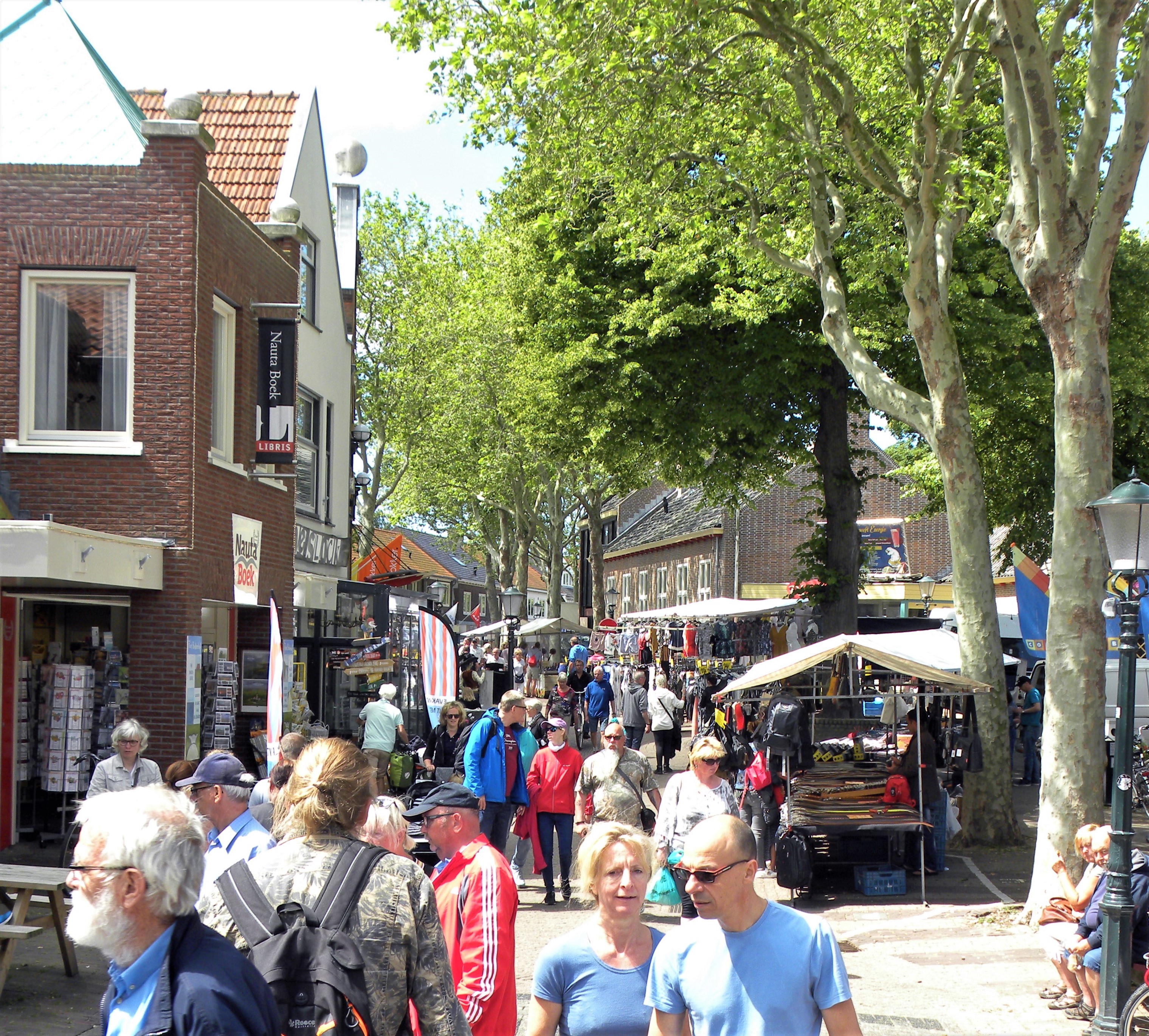
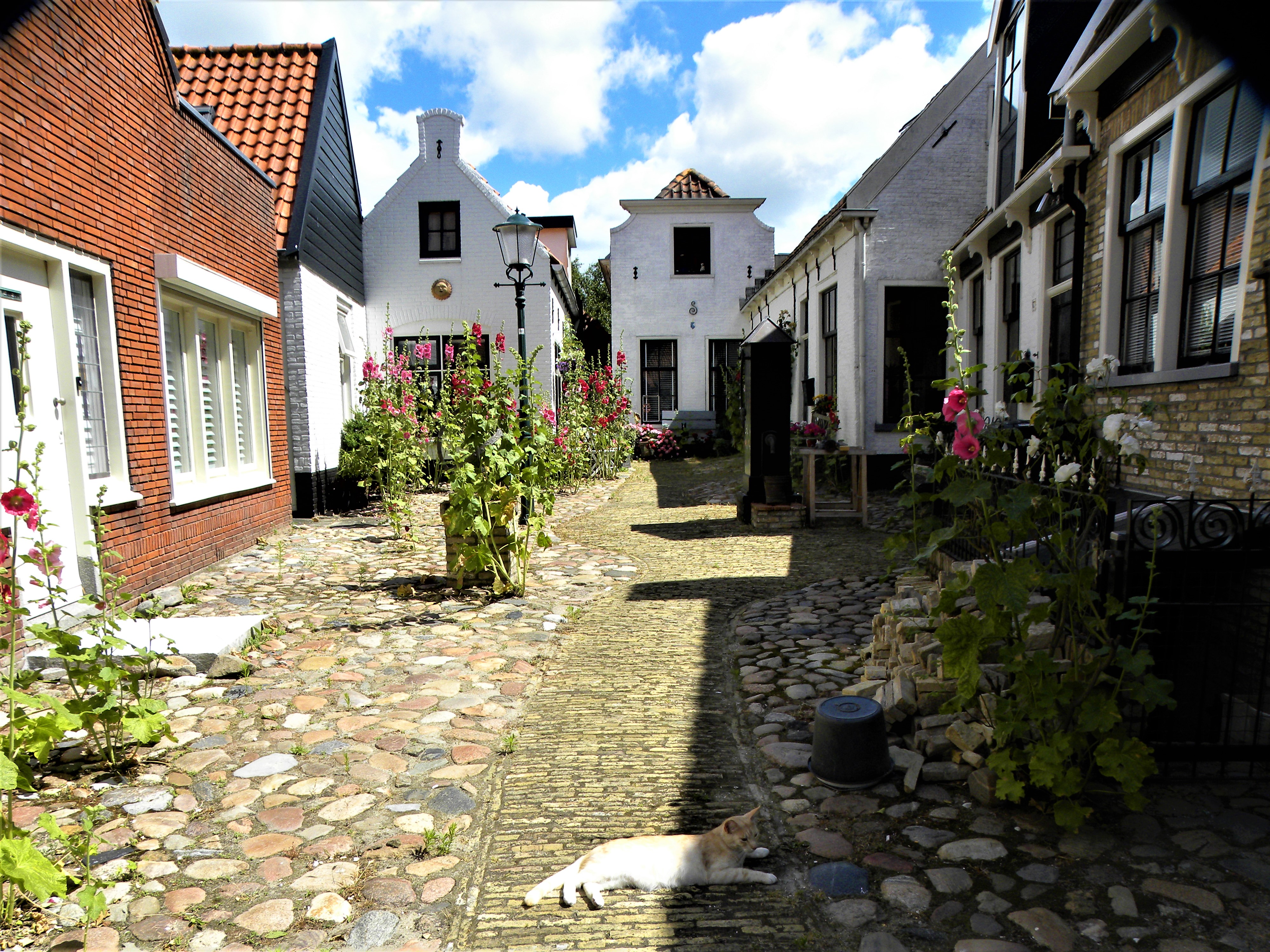
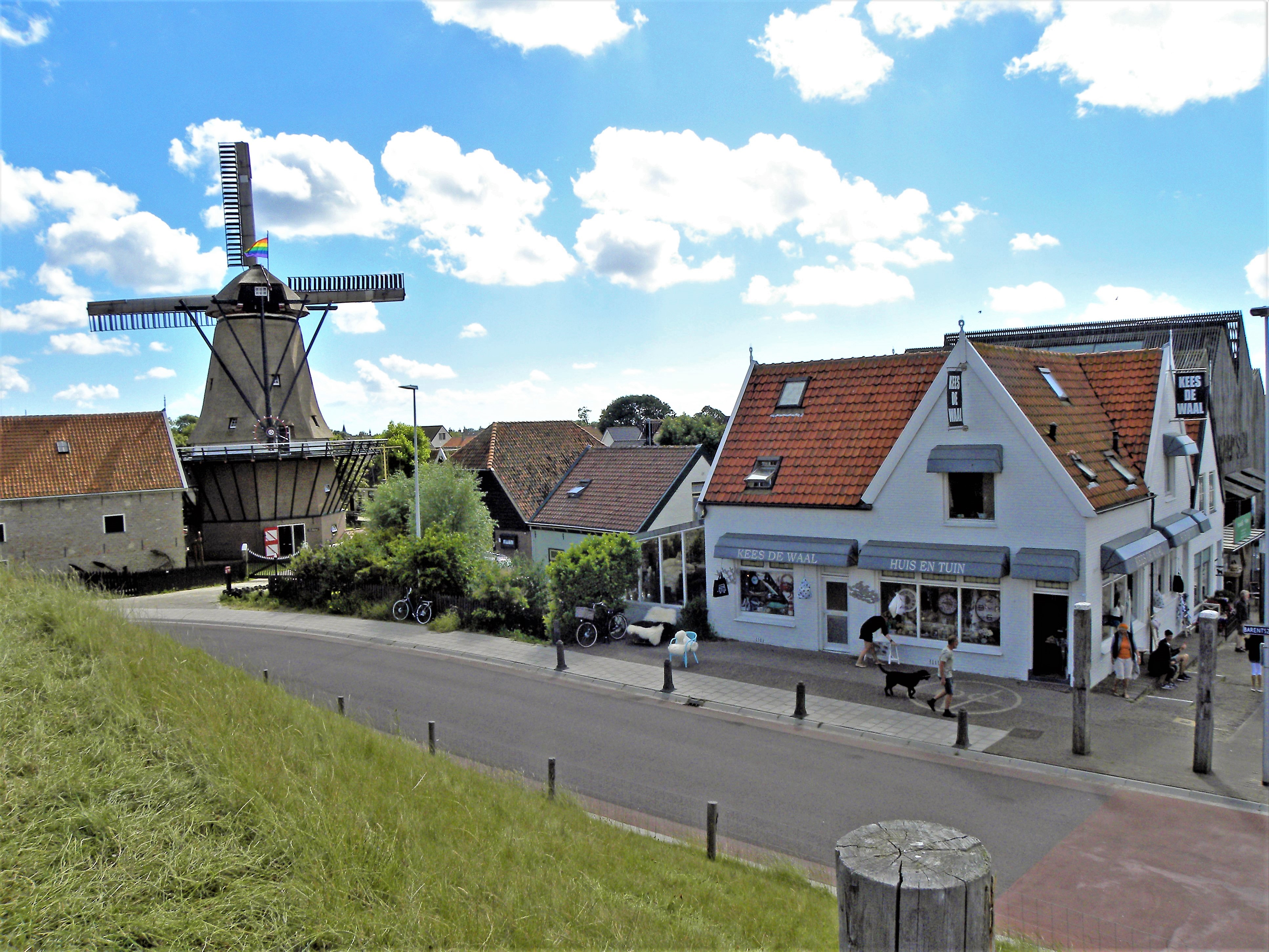
Texel is much quieter now and waiting for environmentally friendly visitors. There are seven villages on Texel, each with its own character and look. Den Burg is the largest with local shops, cozy terraces, a variety of restaurants and a vineyard where visitor can sample the local wines. Yes, Dutch wine. Oudeschild is home to the Texelse Bierbrouwerij (Texel Beer Brewery) located in an old dairy factory and the Museum Kaap Skil with its collection of treasures from centuries-old shipwrecks found off the coast of Texel. De Koog is Texel’s seaside resort. The rest of the island or city is devoted to nature. It has approximately 40 official nature reserves filled with unique plants and birds.
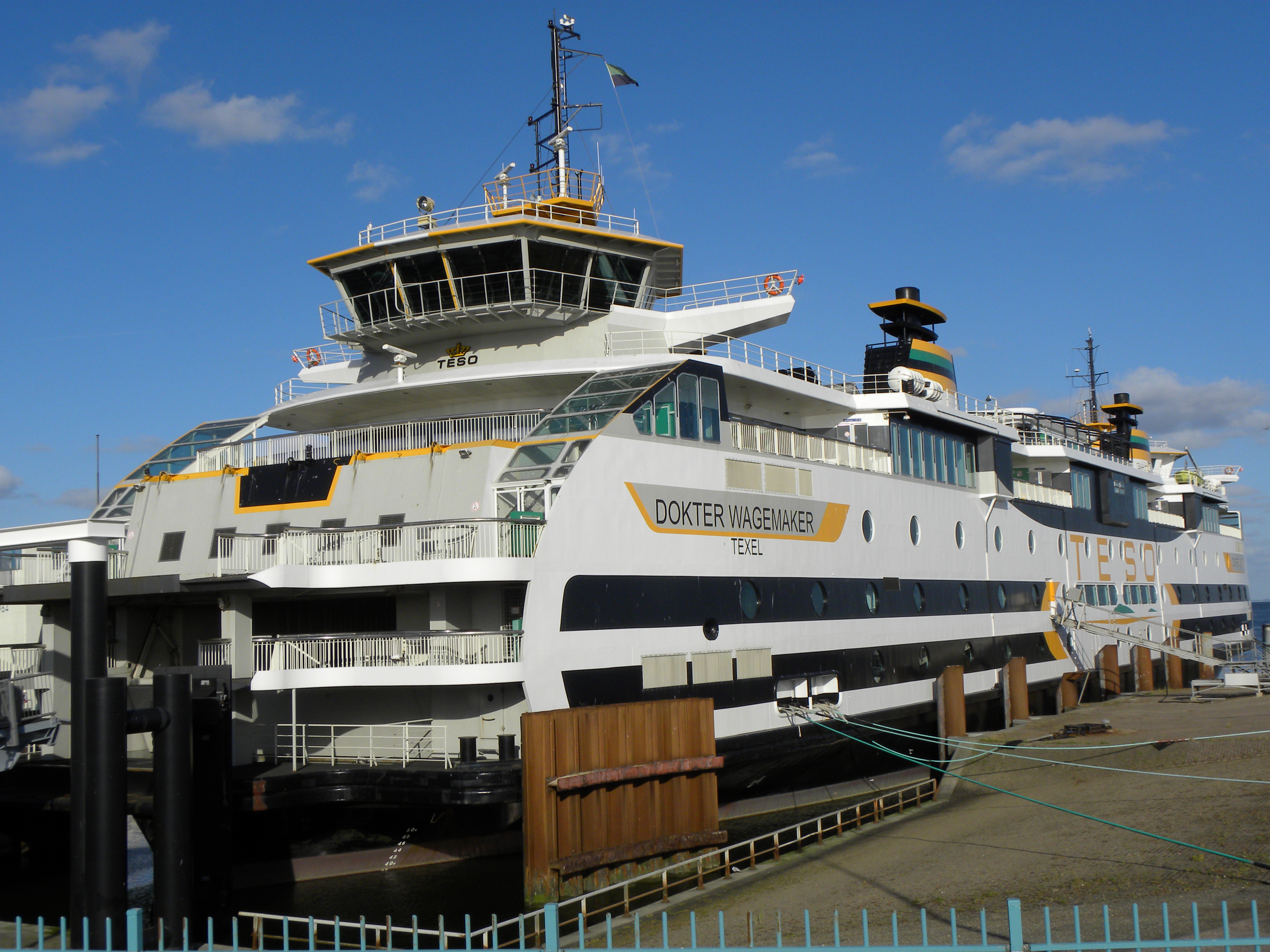
Texel is easily accessible from the Dutch mainland by a ferry service. TESO operates regular ferries between Den Helder and Texel. TESO (Koninklijke N.V. Texels Eigen Stoomboot Onderneming) is a private non-profit company and has been operating since 1907.
 Jim And Nanci Travels