
By Jim Goyjer (9 min read)
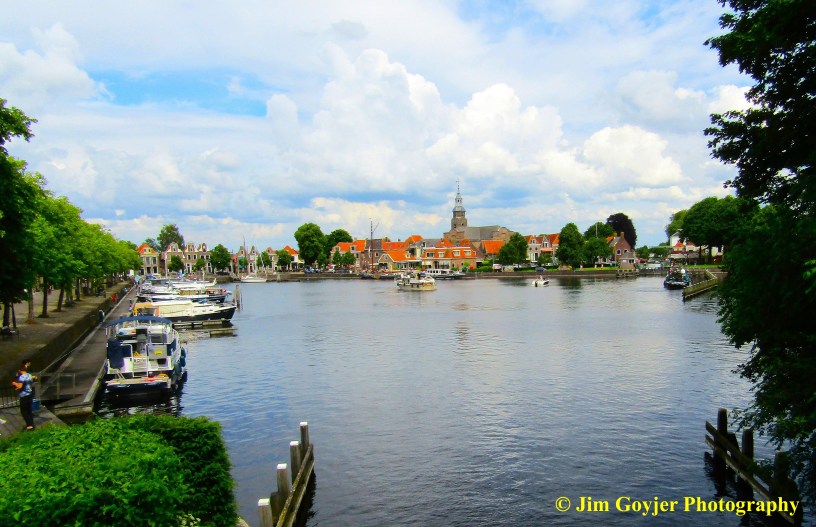
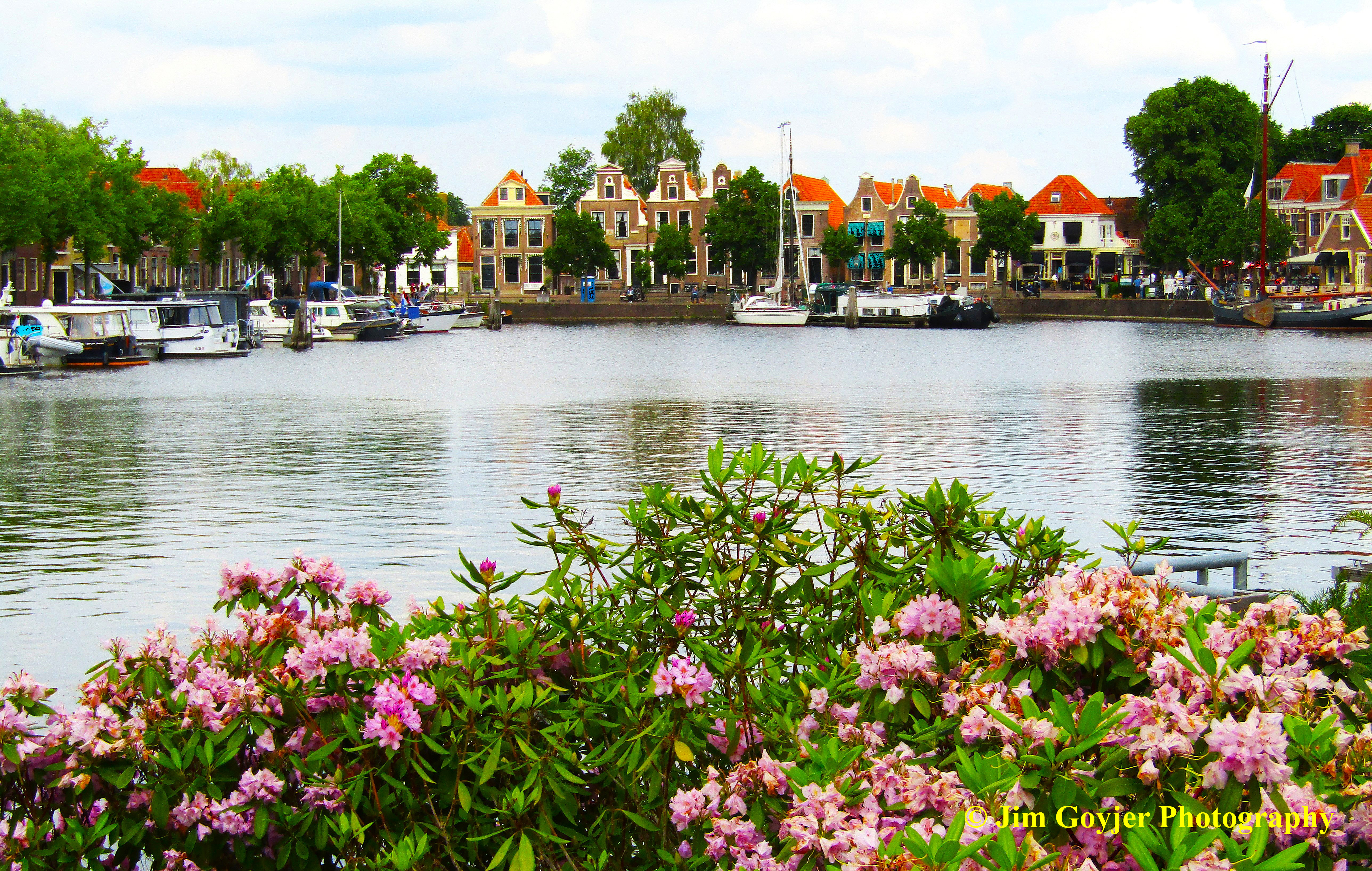
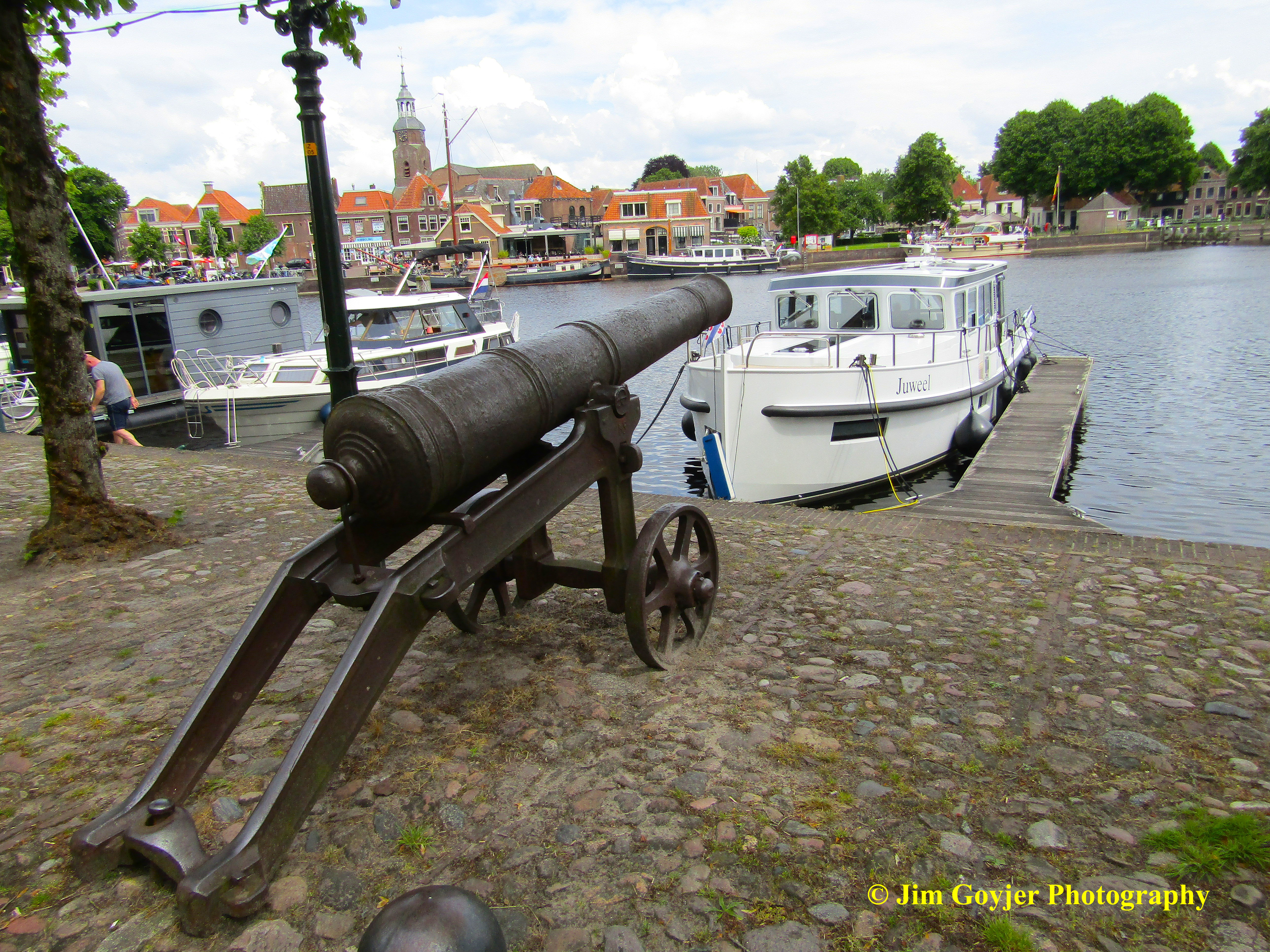
The small, quaint harbor village of Blokzijl is located in the province of Overijssel, northeast of Amsterdam. The village has about 1,400 residents, and over half are more than 50 years old. It’s a serene settlement that has kept its historic, old-world charm. Most of its narrow streets lead to the picturesque harbor surrounded by many 17th-century aristocratic houses. The harbor is filled with modern yachts and old sailing ships. The main attractions here are an 18th-century cannon, a couple of old historic locks, and a Michelin Two-Star restaurant with a tragic love story. The town’s history is anything but tranquil.
Located on a river that flows into the former Zuiderzee (South Sea), the earliest mention was in 1438 about a “Blockerssluys” (Fortified Lock). It was coined by Dutch merchants in the 1400s who shipped blocks of peat through the lock to the rest of the Netherlands via the Zuiderzee. The sea lock was built to prevent flooding of the peatlands from the open sea. It was also a source of income for the lockkeeper, as shippers paid a toll to pass through the lock. The current name of Blokzijl was first mentioned in 1524 in a documented complaint lodged by the Governor of the nearby town of Vollenhoven about a noisy military turf war. His neighbors were at war again. He declared in the document, “Do something for peat’s sake.”
Blokzijl was officially founded around the late 1600s. Unlike most other places around the Zuiderzee, Blokzijl was never a fishing village. As the settlement grew, it developed into an important trading center. Besides collecting tolls from peat transports, the five breweries and a shipyard were also very lucrative. Beer boat tours may have started here.
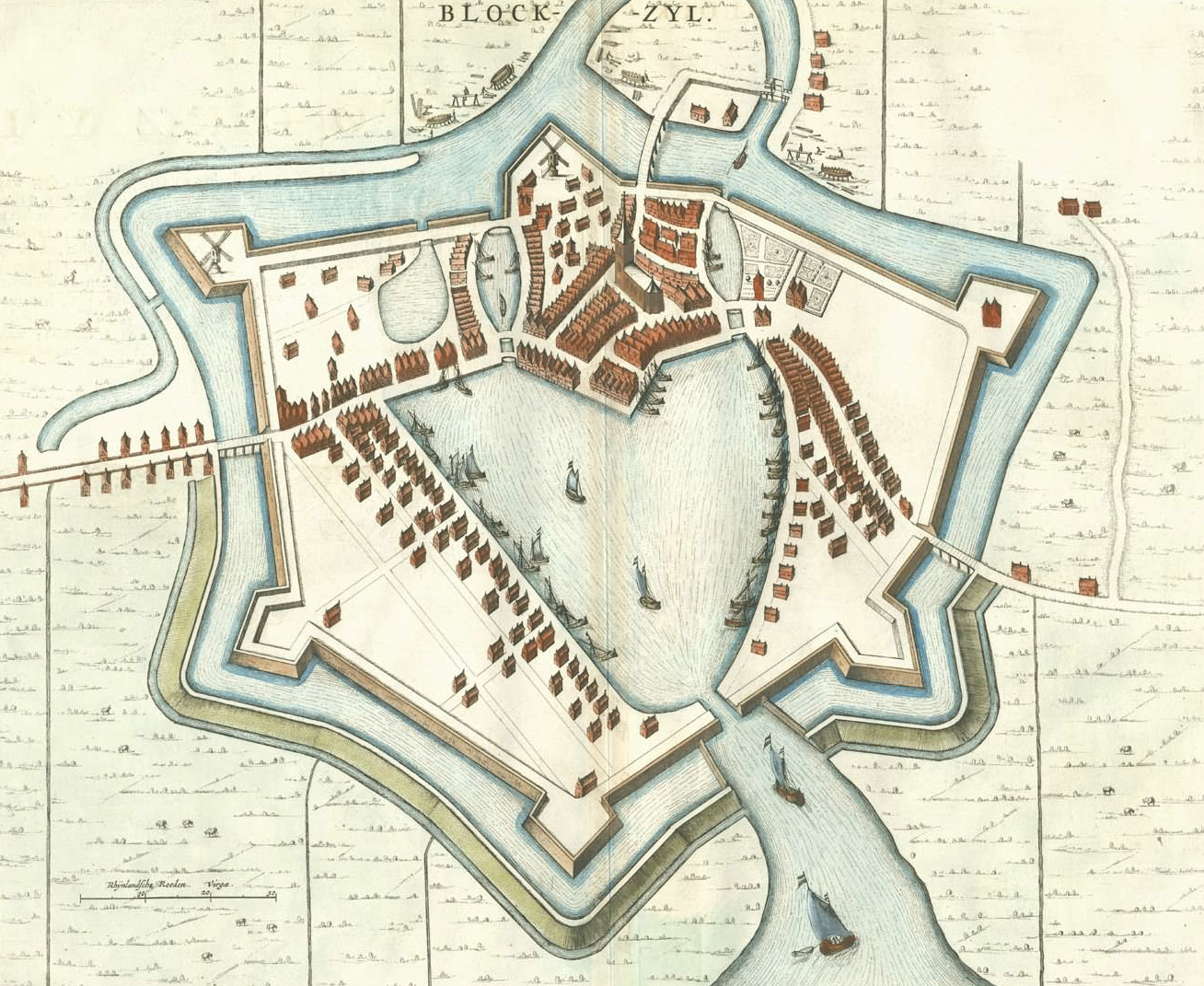
The town became a fortress during the Eighty Years’ War (1568–1648) when the Dutch fought for independence from Spain. The strategically located seaport became a military stronghold. It was walled, and several canals were dug to move supplies such as beer to and from various warehouses, ramparts and barracks. During the revolutionary war it was a base for the Dutch navy, army and cavalry. Beer was an essential commodity.
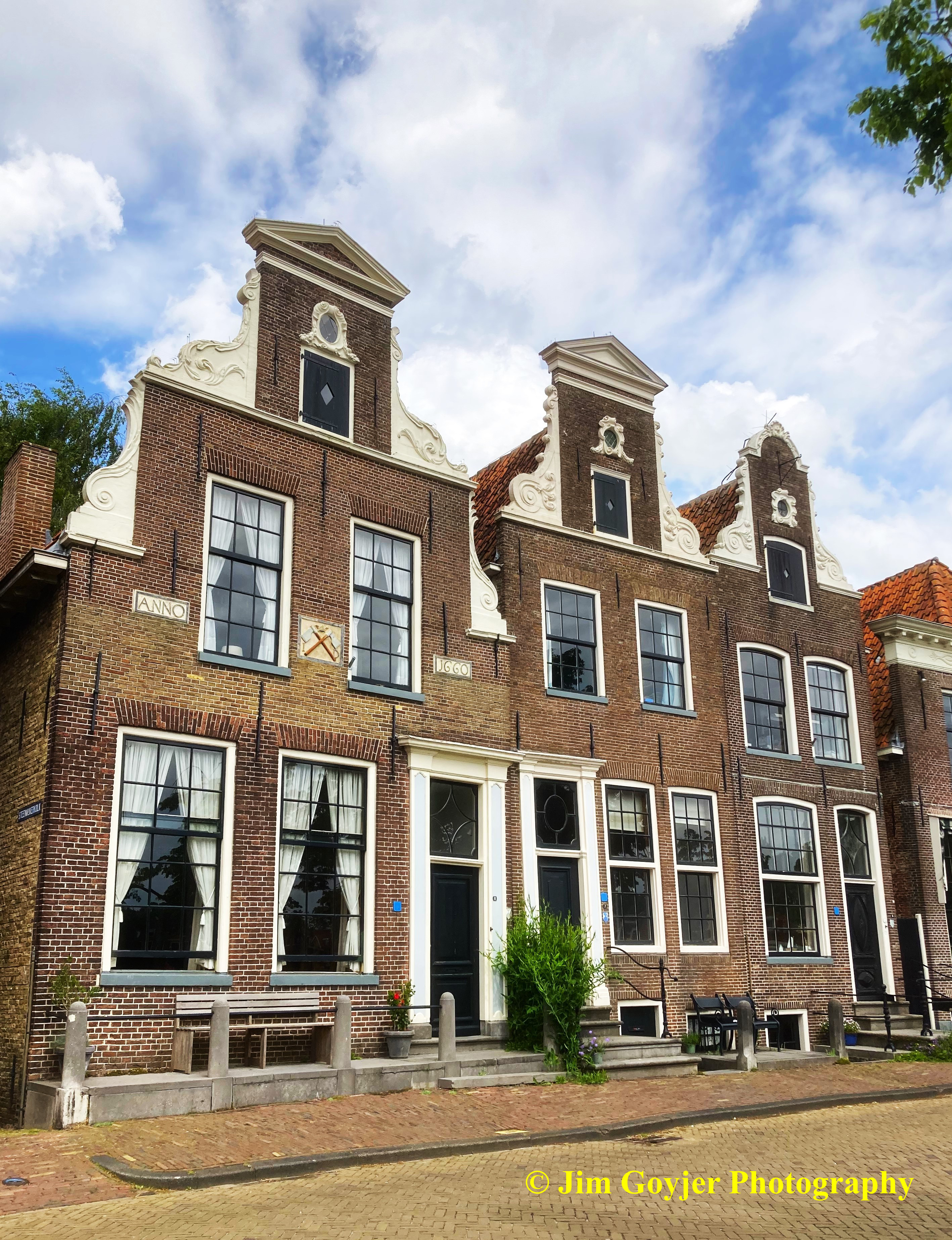
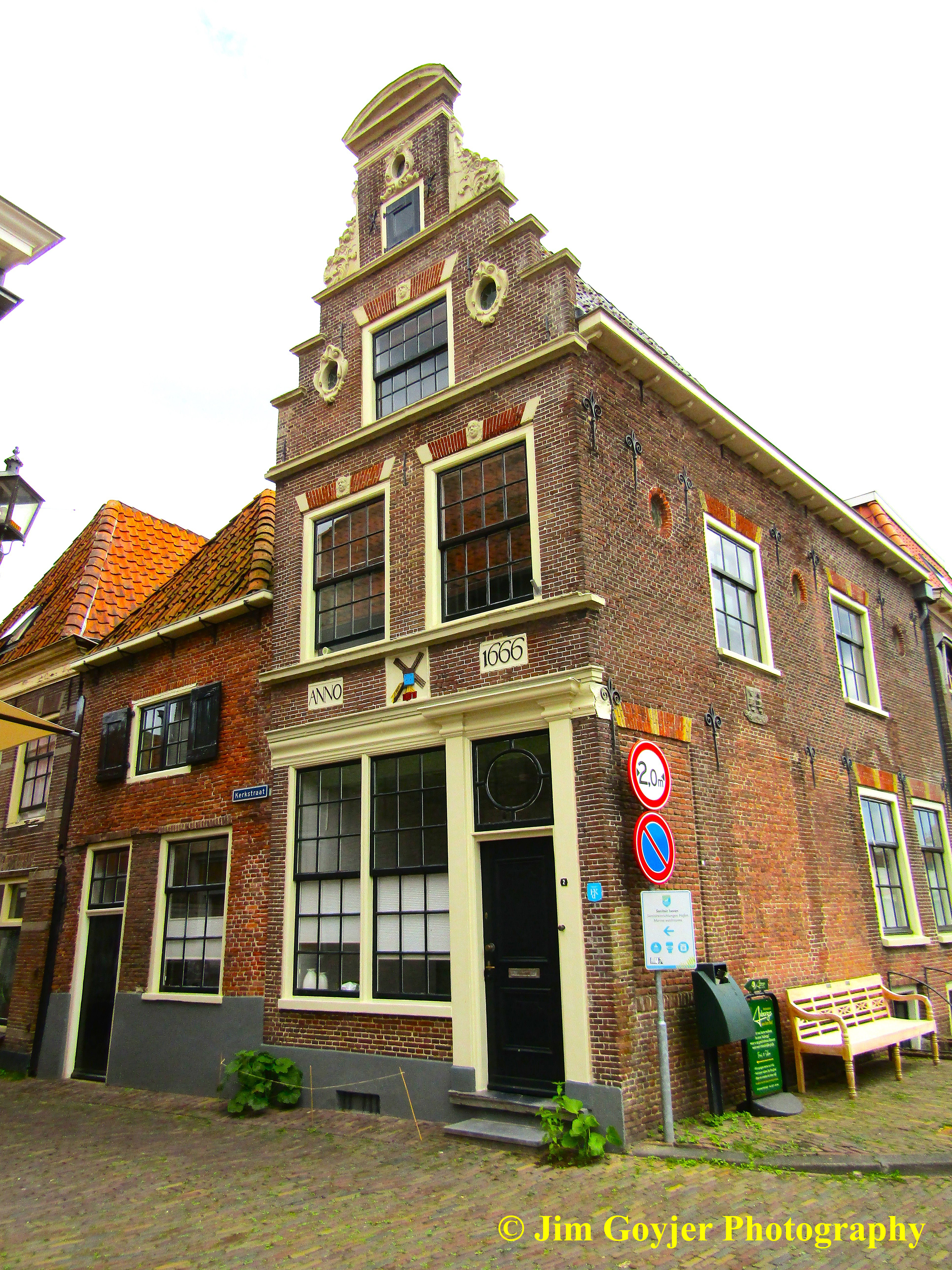
Blokzijl also profited from the Dutch Golden Age, during 1588 to 1672, when Dutch trade, science, art and its military were among the most revered in the world. Blokzijl’s wealth is exemplified by the row of town houses around the harbor that are still standing today. Its economic growth attracted workers, artisans and businesses. Guilds, or trade unions, were organized. They provided craft training and monitored the quality of delivered goods and services. The largest and most influential guild was the Grootschippersgilde (Large Shippers Guild), established in 1589. Many of the members were Mennonites, but the guild’s directors had to be sacred members of the Dutch Reformed Church. Not all protestants were considered equally holy.
During the 1500s the Mennonites found a place of safety in Blokzijl when a large part of the Netherlands was still occupied by Spanish Catholics. The Dutch Mennonite faction of the protestant movement began with a former Catholic priest, Menno Simons, from the neighboring province of Friesland. Around 1536, he converted to a radical protestant group that started in Switzerland. Menno fell for the fondue. His followers rewarded him by calling their cult Mennonites. Menno emphasized pacifism and a plain, simple lifestyle, a strong sense of community and a focus on social justice. Their belief preceded the radical Enlightenment philosophy that advocated for developing better humans through individualism, reason, knowledge, nature, freedom, humanity and happiness. It is still considered radical thinking today.
Although the Mennonites clashed with the Reformed Church in Blokzijl on issues such as at what age to baptize, oath taking, separation of church and state, and pacifism, they were tolerated. Because many of the professions were closed to them, the Mennonites started their own businesses and became well known artists, writers, and patrons of social programs. They thrived, became wealthy and gained influence. In 1656 the Mennonites provided a loan to deepen the harbor and got control of the cash-producing lock. By the middle of the 17th century, most of Blokzijl’s population was Mennonite. The Reformists were left to reform. They regrouped and returned later when the Mennonites broke up and became less enlightened.
Not to be forgotten were the Jews and their squabbles. The first Jews moved into Blokzijl in the late 1700s. They were a butcher and his family. By 1771, there were enough Jews to hold synagogue services in a private home belonging to a wealthy merchant, Alexander Jacobs, who turned out to be a swindler. Jacobs regarded the synagogue as his private property and spent the voluntary donations, meant for the synagogue and the poor, on himself. An accounting of the funds was demanded by a new arrival, Levy van Esso. When Jacobs refused, Esso and others started their own congregation. Feuds and lawsuits continued until things quieted down between the two factions in 1813. After which, the Jewish population began to dwindle. Many moved to Breukelen (Brooklyn), allegedly.
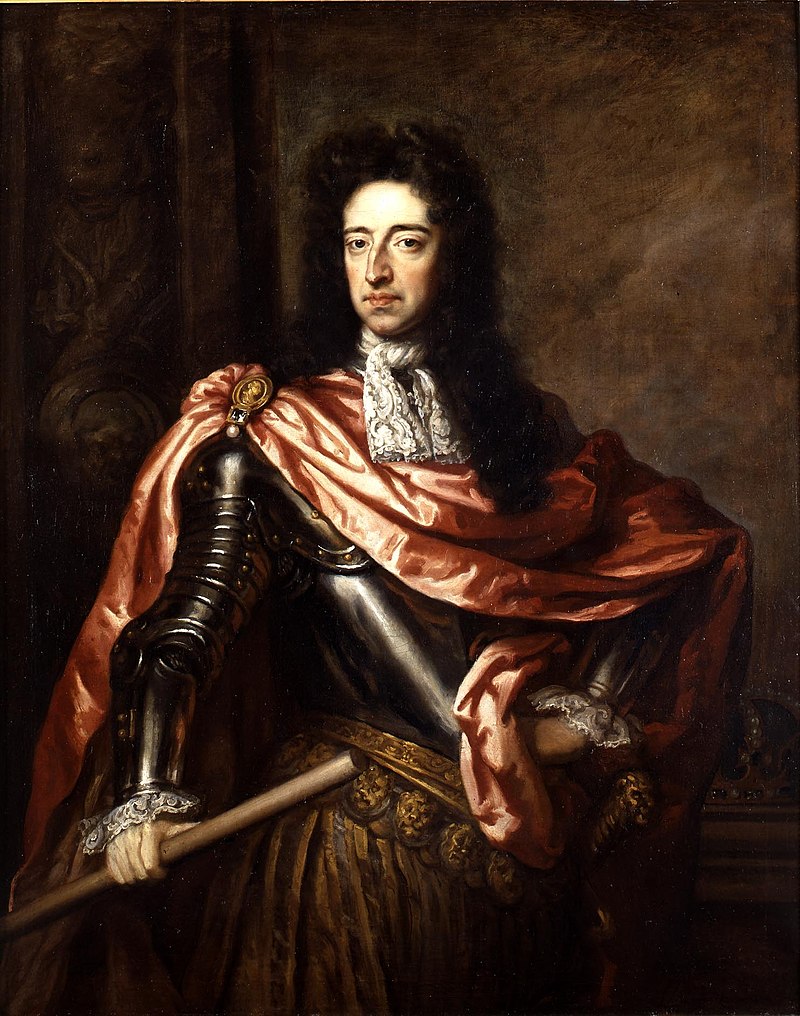
Dutch King William III
Blokzijl’s glory days did not last. Although the town received city rights from Dutch King William III in 1672, the bailiff of neighboring Vollenhoven protested. He took his complaint to the province’s governing body. He claimed that Blokzijl was in economic decline and did not deserve city rights. He had a point. Blokzijl was experiencing some major problems that affected its prosperity. Silting was one. The town dredged frequently. But in the end, even the loan from the Mennonites and prayers couldn’t stop mother nature. Shipping declined sharply. In 1658, Blokzijl had 160 ships in the harbor, in 1715 it had only 40 and around 1767 there were only five ships that deserved the name “big ships.” Peat petered out too. And the two wooden locks started to deteriorate, along with the income from tolls.
The 1672 Rampjaar (Disaster Year) brought more grief. Two simultaneous wars devastated the Dutch economy and its influence around the world. They were the Franco-Dutch War and the Third Anglo-Dutch War. Resentment over the Netherland’s economic dominance drove France and England nuts. While King William was busy in the war room, the bailiff of Vollenhoven convinced Overijssel’s governing body to withdraw Blokzijl’s city rights, which it did in 1674. Besides the town’s economic decline, Vollenhoven had a castle and Blokzijl didn’t. That sealed it. No castle, no rights.
There was a short economic comeback at the end of the 18th century. The large ships had sailed away. But skippers of smaller ships pursued other products to transport, such as dairy products, vegetables, wooden shoes and piping and rush mats, used as rugs. Piping mats were typically made from wood and designed to provide a stable surface for workers and equipment to move on a marshy surface. Because piping mats quickly wore out, they had to be replaced often. In the 1800s the mat trade flourished. In 1881 Blokzijl had about 65 matt skippers. These mats were made in Blokzijl then shipped to the cities throughout North and South Holland. Unfortunately, the rug was pulled out from under the town, and this trade came to an end around 1900. Persian rugs were cheaper at 70% off.

Blokzijl became isolated from the rest of the world in the 20th century. In 1929 a 35.5 km (20 mile) dike was built, closing off the Zuiderzee from access to the North Sea. It went from being a sea to a lake. Not only that, a large piece of land was reclaimed from one of the lakes bordering Blokzijl. The town was left with a couple of locks, a canon and a Michelin Two-Star restaurant called “Kaatje bij de Sluis,” that had a sad beginning.
The restaurant’s history began in 1672, when Kaatje was born. She was the daughter of a merchant’s widow from Amsterdam who ran her own inn in Blokzijl called In den Gouden Walvisch (In The Golden Whale). Her father is unknown. Her mother was married to a captain who was a whaler, but he sailed away whaling and never returned. His fate is still unlearned. Kaatje’s father might have been a traveling peat salesman who spent a night at the inn. We will never know.
After her mother died, Kaatje moved the inn, in 1709, next to that new lock in town. Kaatje’s many guests were traders of the global East India Company, which gave her access to foreign herbs and fruits. Kaatje became famous for her dishes and kept her recipes secret. Kaatje remained alone her entire life. She had been waiting for her childhood sweetheart, a merchant marine helmsman called Hilbert. When Kaatje was 60 years old, she was robbed and fatally wounded. The perpetrators, who took Kaatje’s recipe books, were never caught. For years after the robbery-murder, recipes attributed to Kaatje surfaced in many towns along the Zuiderzee.

Two weeks after Kaatje’s death, Hilbert returned to Blokzijl. He did business in Madagascar for years and became filthy rich. Sadly, he arrived too late to reunite with Kaatje and whisk her away. Hilbert left Blokzijl broken-hearted and settled in Madagascar for good. Today, near the lock and the restaurant, “Kaatje bij de Sluis,” there is a small statue of a woman with a basket of food under her arm in remembrance of Kaatje.
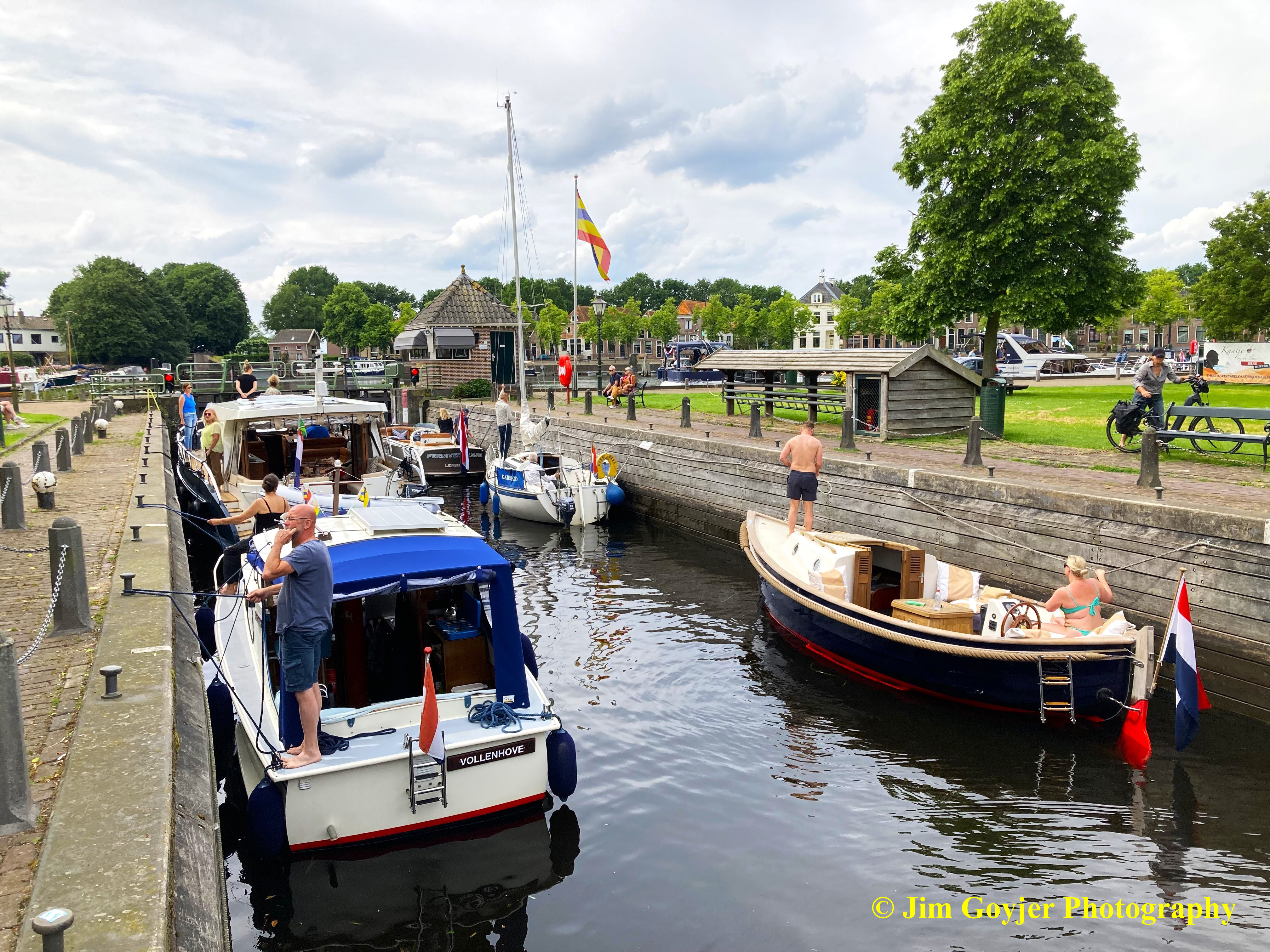
Blokzijl’s current locks, built in 1709, are still very functional. They are very busy, especially during the summer months, when yachts and sailing boats dock to rest up on their way to and from Friesland and the various lakes that were the former Zuiderzee. The other town’s historic attraction is a lonely old cannon, located on the harbor quay. This cannon was never used for defense purposes. It was a warning device alarming the citizens of an oncoming storm, a high tide or vulture capitalists.
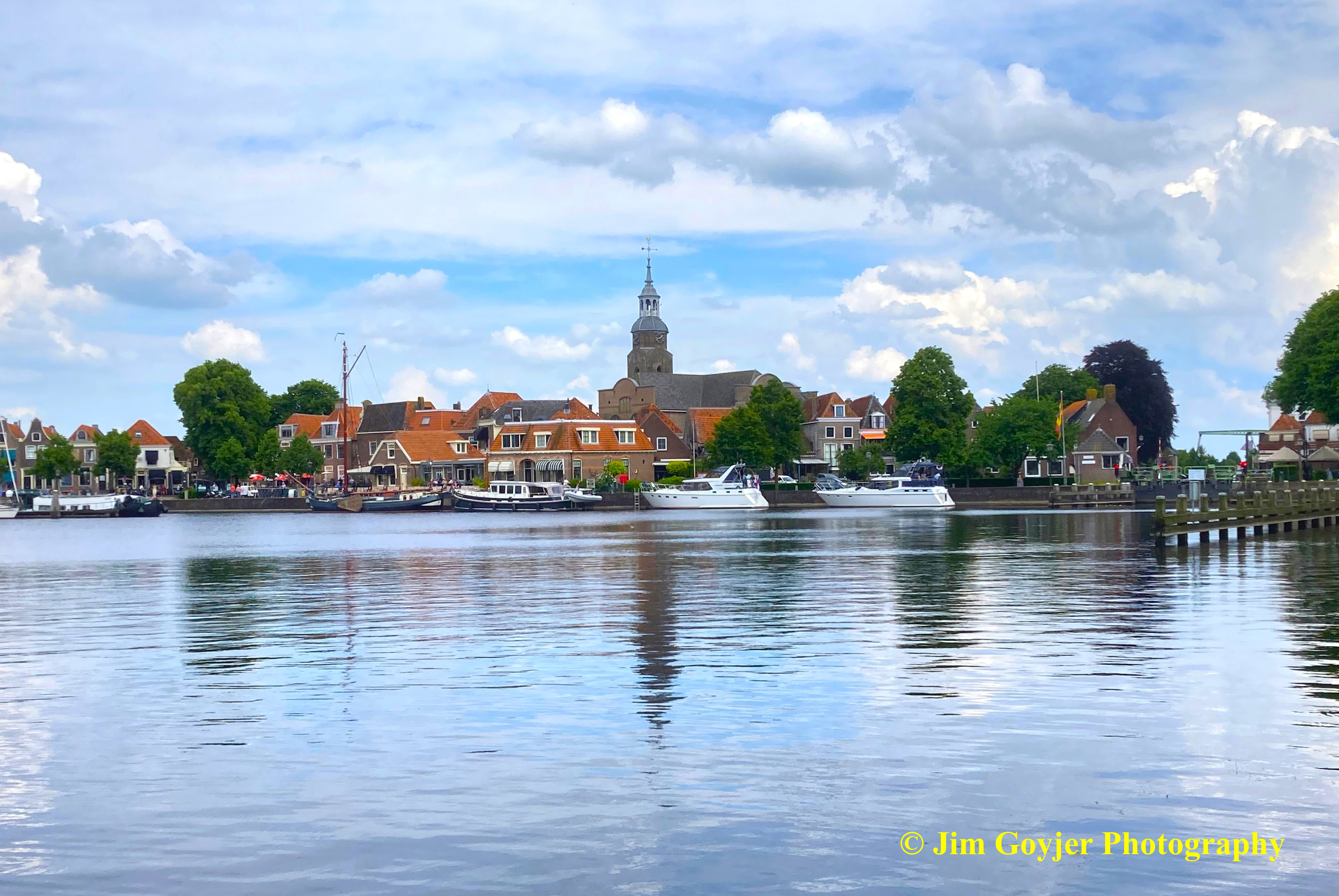
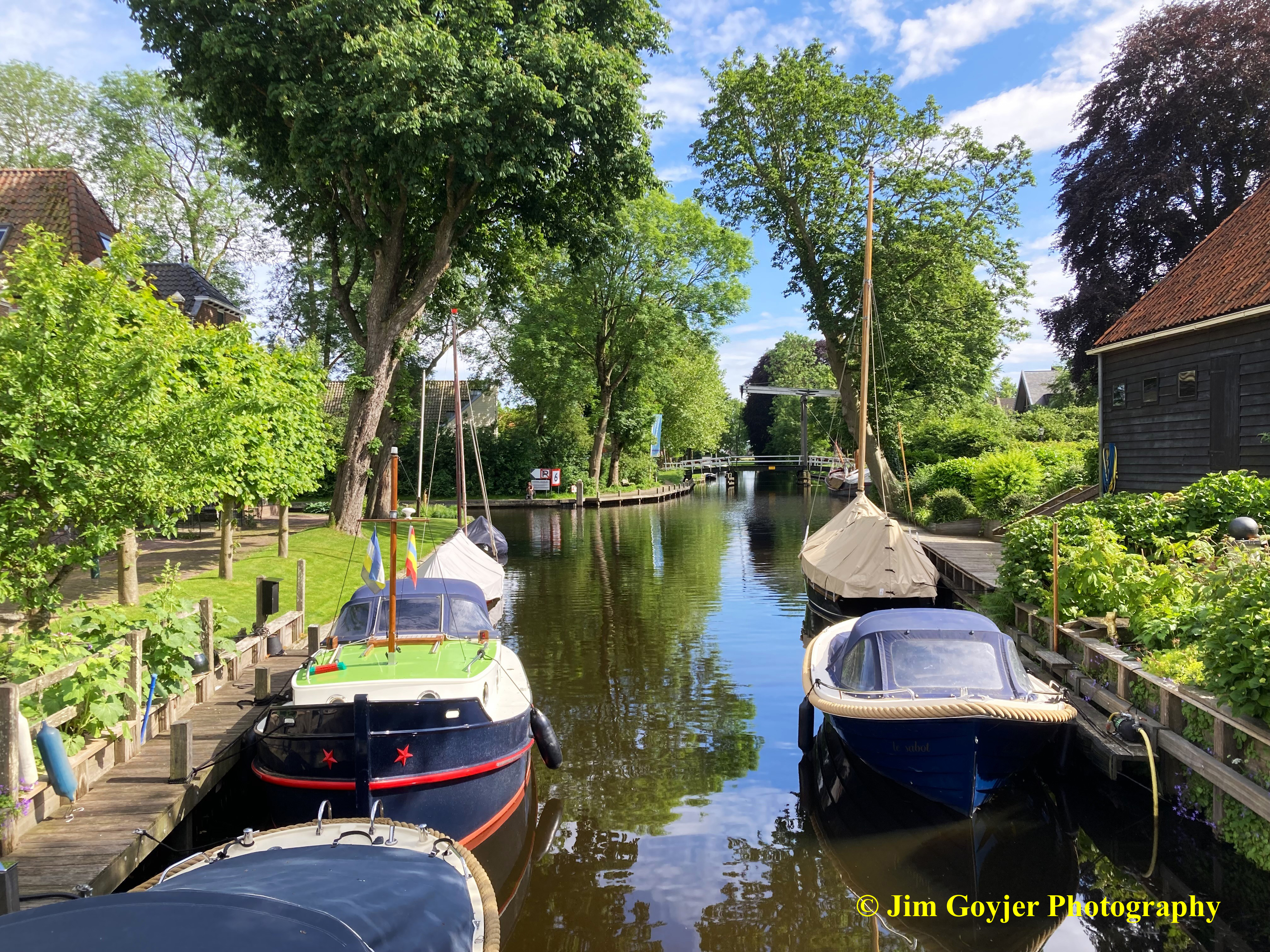
Today Blokzijl is a village with a historic and charming allure due to its narrow streets, the scenic canals, the many 17th century aristocratic houses, and the beautiful storybook harbor with its many yachts and historic ships. It’s a day well spent, wandering through the town, enjoying a refreshment on a dockside terrace and enjoying a meal at a local restaurant. There are also a few B&Bs for an overnight stay. Blokzijl is proof that many small unassuming towns and villages are more than what they seem on Google Maps.




 Jim And Nanci Travels
Great storytelling and historical information as always 🙂