
By Jim Goyjer (8 min read)
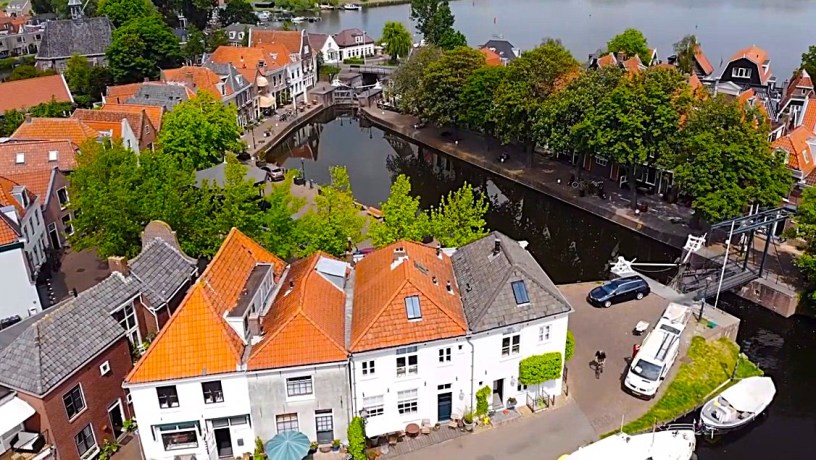
Spaarndam is a picturesque village in the province of North Holland, where the Spaarne river meets a lake called the IJ. Over eight centuries, this historic hamlet contributed to the beginning of water management, regional commerce, and world-renowned folk tales.
Spaarndam was founded on a dam that was initially built around 1220 at the mouth of the Spaarne river, where it met the IJ bay (now a lake). Eventually, the earthen Spaarndammerdijk, later just called the “IJdijk,” stretched from Amsterdam to Spaarndam, approximately 20 kilometers (12.5 miles). It took a lot of manual shoveling and many years.
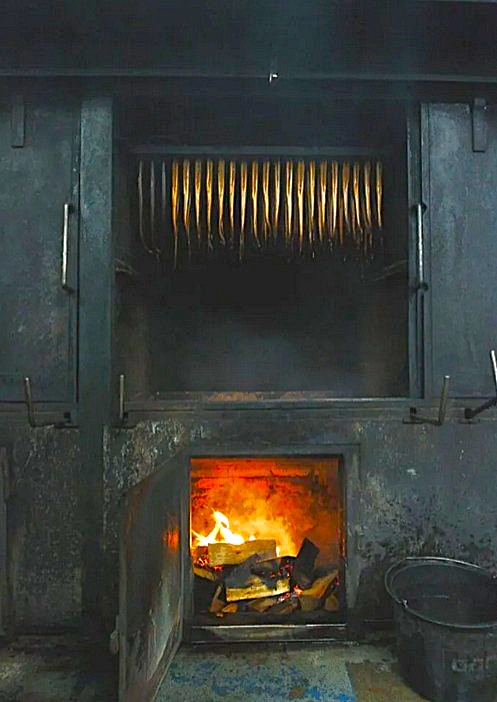
The dam was a terrific barrier for protecting the village and the surrounding area, but it prevented ships from reaching its economically wealthy neighbor, Haarlem. Cargo from seagoing vessels had to be transferred over the dike onto smaller inland boats and barges for further transport to Haarlem and beyond. Charging a toll for the transshipment brought in a hefty income for Spaarndam. Increased wealth attracted sailmakers, mast makers, grocery stores, and cafés. Eel fishing also played an important role in commerce, earning Spaarndam the slithery title of “eel village.”
After a series of severe storms and flooding in 1248, Count William II, who ruled the county of Holland, created the first water authority in the Netherlands called the Hoogheemraadschap van Rijnland (Rijnland Water Board). It was commissioned to coordinate the protection of the land from flooding.
Transshipping was inconvenient, costly, and time-consuming. The merchants would have none of that. They petitioned Count William for permission to build a lock in Spaarndammerdijk. It was granted, and the sea lock commenced building in 1253 with the help of crowdfunding. This allowed ships from the North Sea and from inland to sail directly to Haarlem, which made the merchants very happy. The lock was finished in 1280 under William’s successor, Count Floris V of Holland. It was supervised by Hoogheemraadschap van Rijnland and has been monitored by various water boards ever since.
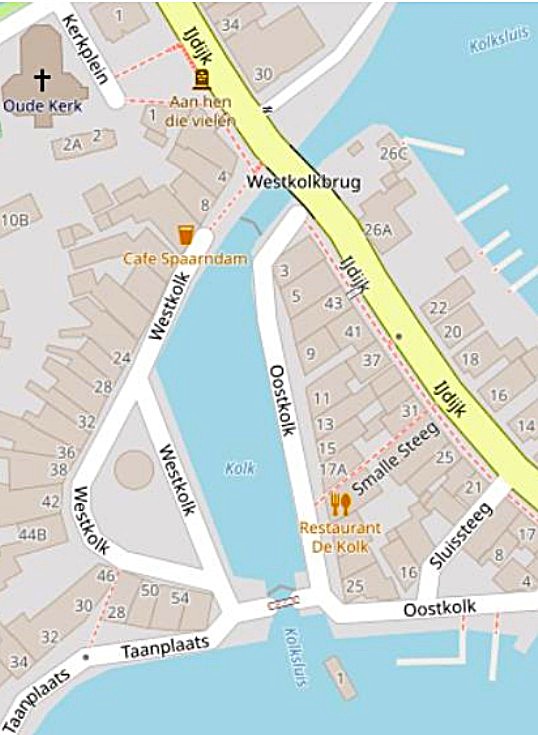
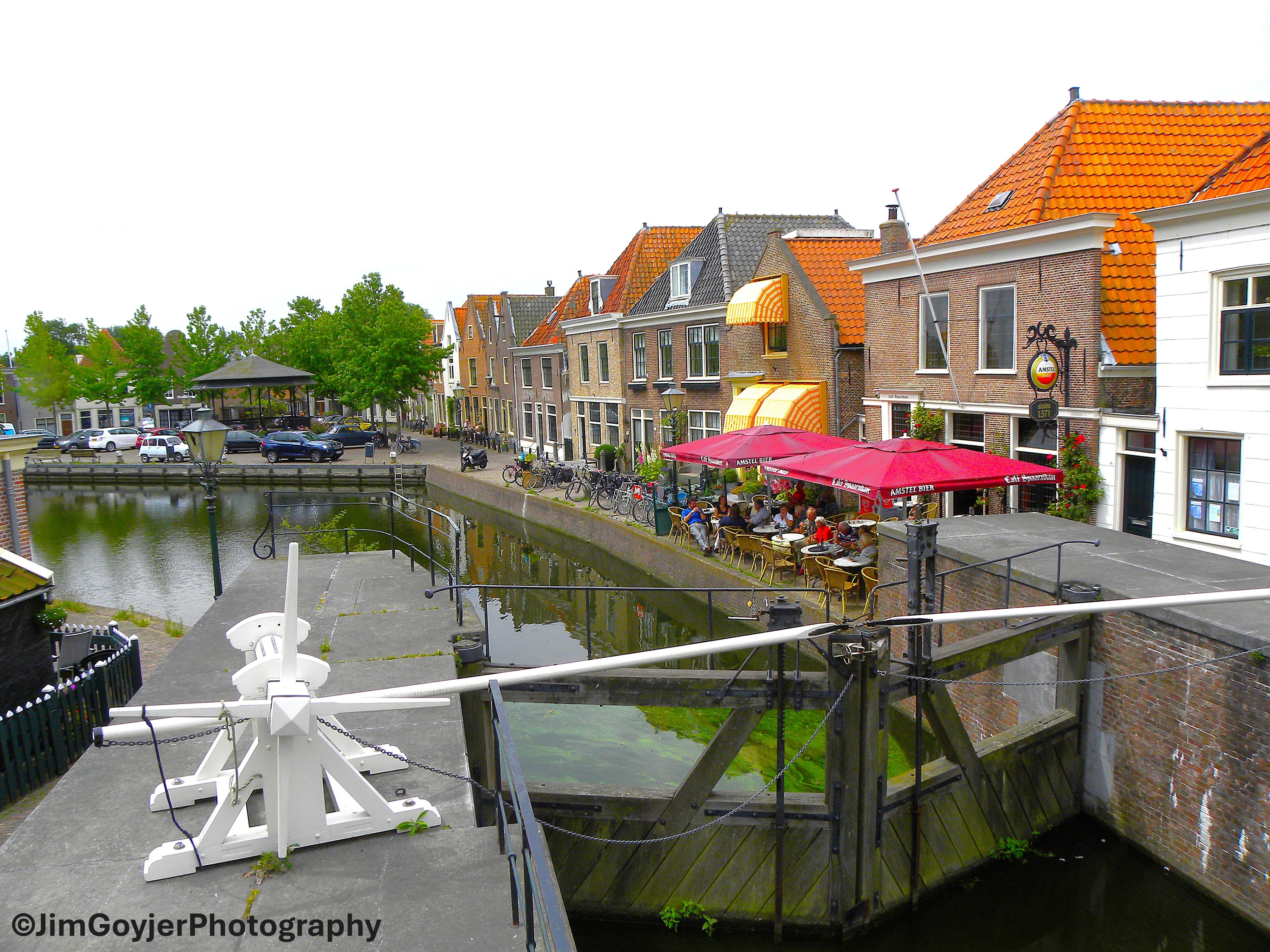
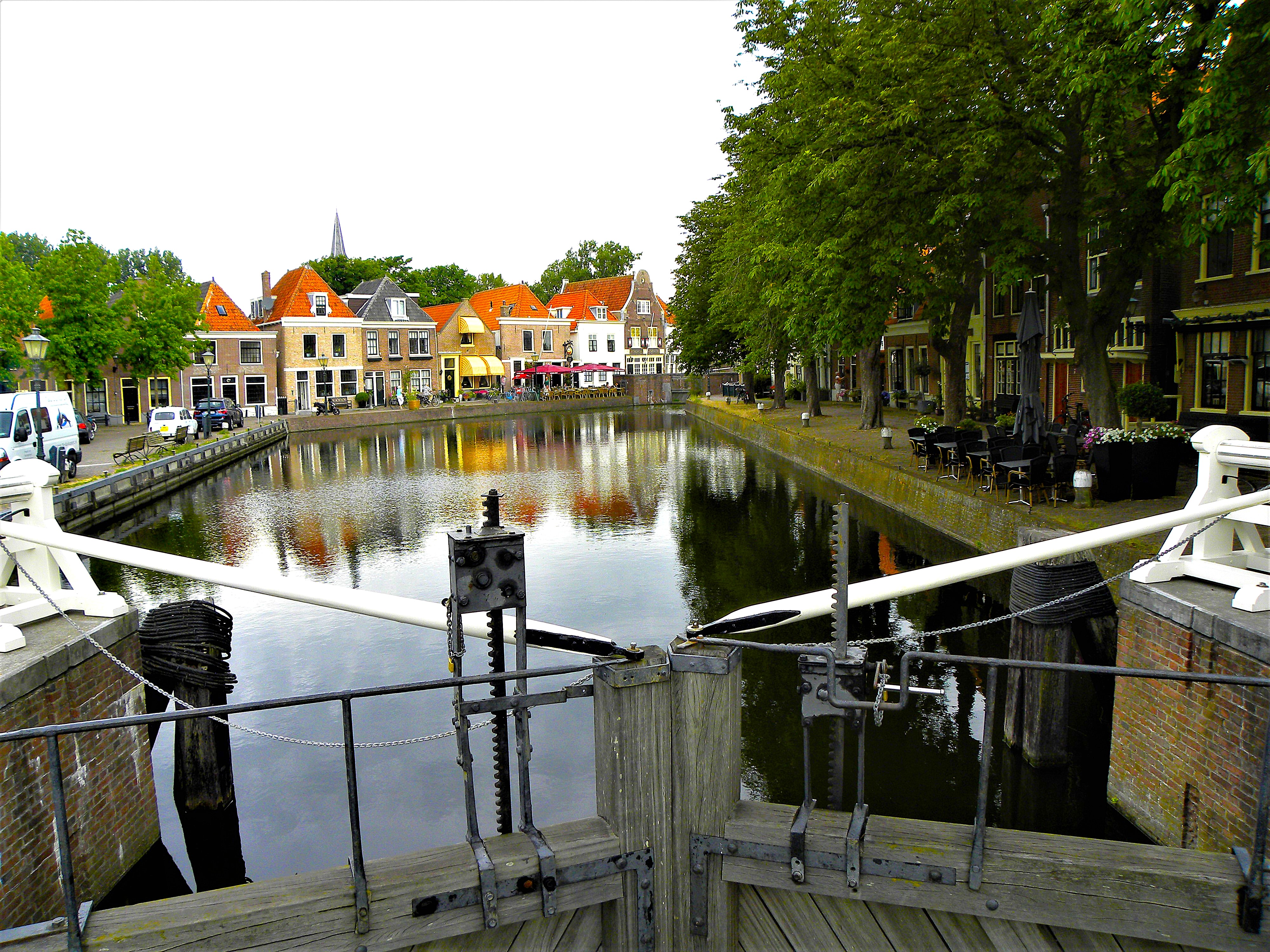
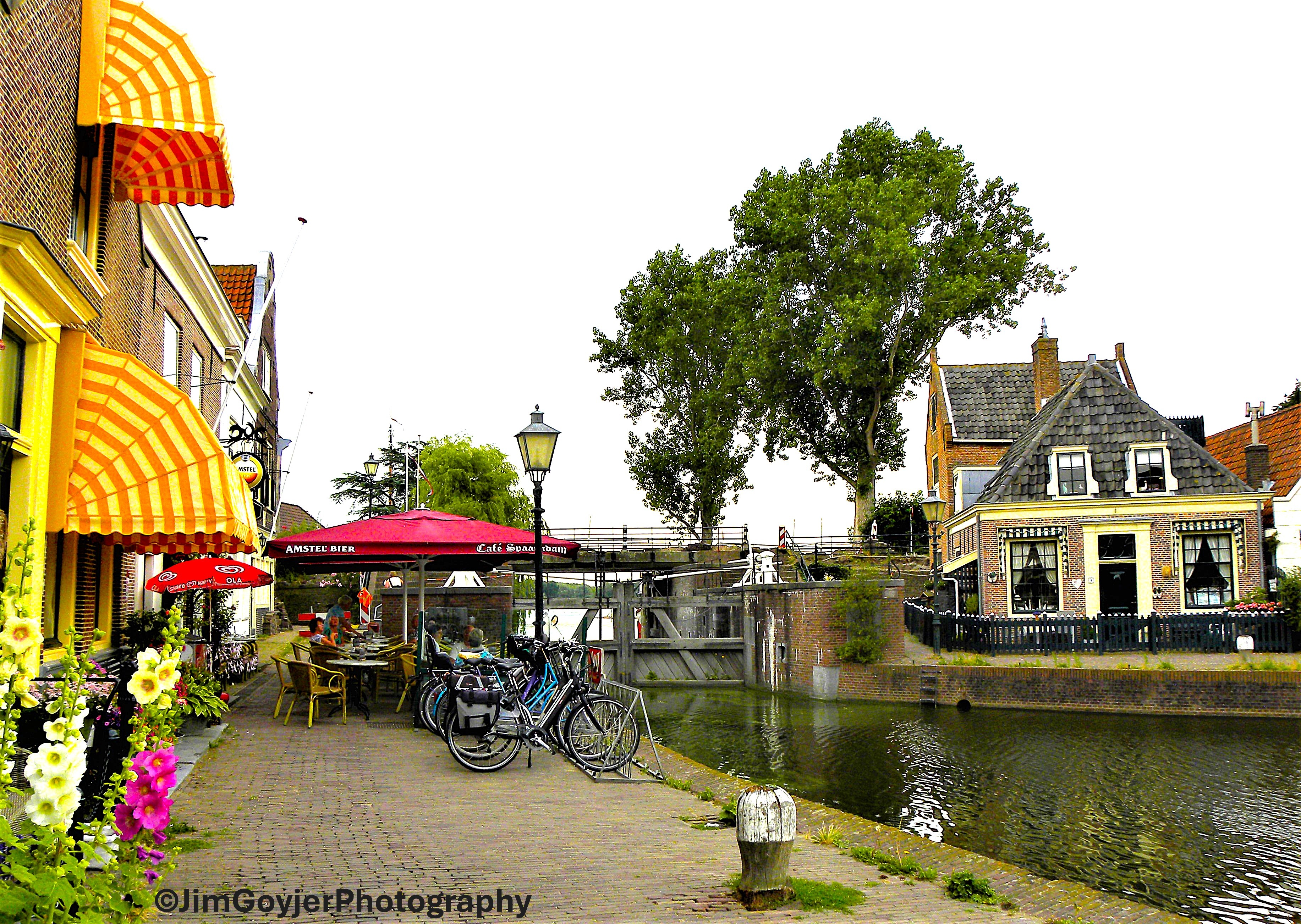
The lock was uniquely Dutch, like double Dutch doors. It had two separate gates, one facing the sea and the other facing inland to a river. In between the two locks was a basin called the Kolksluis. The inland waterway, the Spaarne river, led directly to the bourgeon city of Haarlem. Ships entered the basin (kolk) from one side, the gates closed, water level adjusted, then the other gates opened to let the ships through, independent of the tide. Throughout the Middle Ages, the lock became a vital commercial link connecting Scandinavia and the Baltic States to western European cities, as far away as Ghent and Bruges in today’s Belgium. Shippers would rather sail the inland route instead of tackling the dangers of the sea. Now, the Spaarndam lock is the oldest functioning lock in the Netherlands.
Fact check: the story of Hans Brinker, the silver skates, and the plugging of a hole in a dike by a Dutch boy’s finger saving the town from a flood, is not real. It’s folklore. But the historic village of Spaarndam has capitalized on the story’s fame popularized in the book “Hans Brinker, or, Silver Skates.” This children’s classic was written by American writer Mary Mapes Dodge, who never visited the Netherlands until after her book was published in 1865.
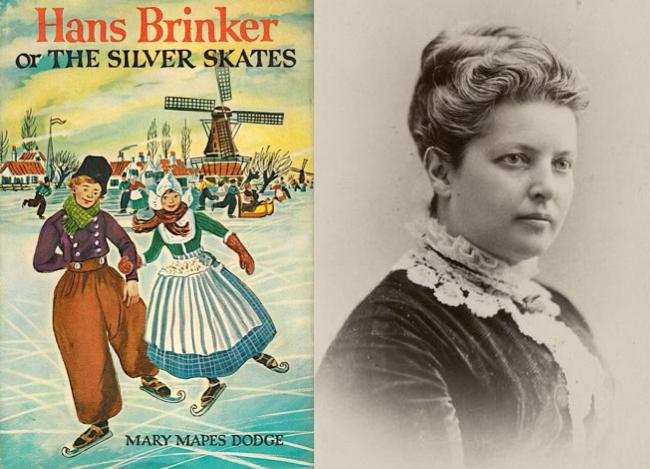
Born in New York (formerly New Amsterdam) in 1831, Mary was fascinated by Dutch history and culture, which she carefully researched for her book. She also obtained firsthand knowledge about Dutch life from her neighbors, who were Dutch immigrants.
The story of Hans Brinker revolves around a poor Dutch boy, age 15, who wants to enter a speed skating contest with his sister. They only have homemade wooden ice skates. So to increase their chances of winning, Hans earns money to buy themselves steel skates. But his father is injured and ill from a fall while working on a sea lock and needs a doctor, which is expensive. Hans offers the money to the doctor who is so touched by his gesture that he offers his services for free. Hans is unable to enter the race, offers the skates to his sister who triumphs and wins a pair of silver skates.
In the meantime, in the chapter “The Hero of Haarlem,” a village was about to be flooded, resulting from a hole in a dike. It is assumed, but never mentioned in the original story, that Hans saw the hole and stuck his finger in the dike. The dike stayed plugged until early morning when villagers saw the youth shivering from the cold. They unplugged Han’s finger and repaired the dike. The famous finger and Hans were connected in a translated version of the book years later.
In 1927 the oldest and most historic part of the Spaarndam was incorporated into the municipality of Haarlem. Now the “Hero of Haarlem” story in the book made more sense for Spaarndam’s embracing of Hans Brinker.
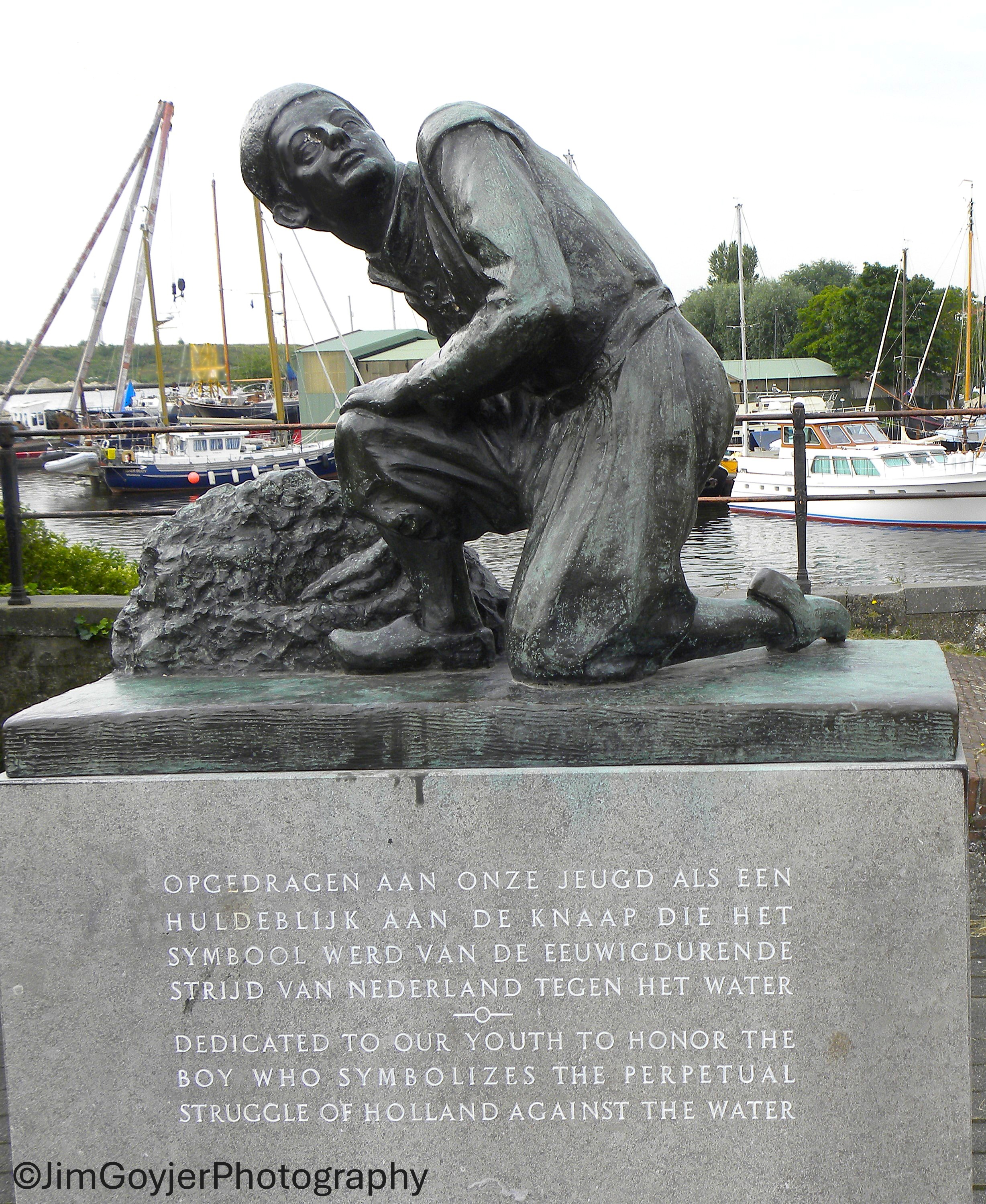
After WWII, the book about Hans, the silver skates and his finger gained popularity in the United States. The story about sticking his finger in the dike to save a village from a flood became legendary. As American tourists started visiting the Netherlands after the war, they kept asking where they could see the dike and Hans Brinker’s village. Never letting an opportunity to attract tourists go to waste, the Dutch Bureau for Tourism decided to place a statue of Hans Brinker in Spaarndam in 1950. The statue was sculpted by the Dutch sculptor Grada Rueb of Breda.
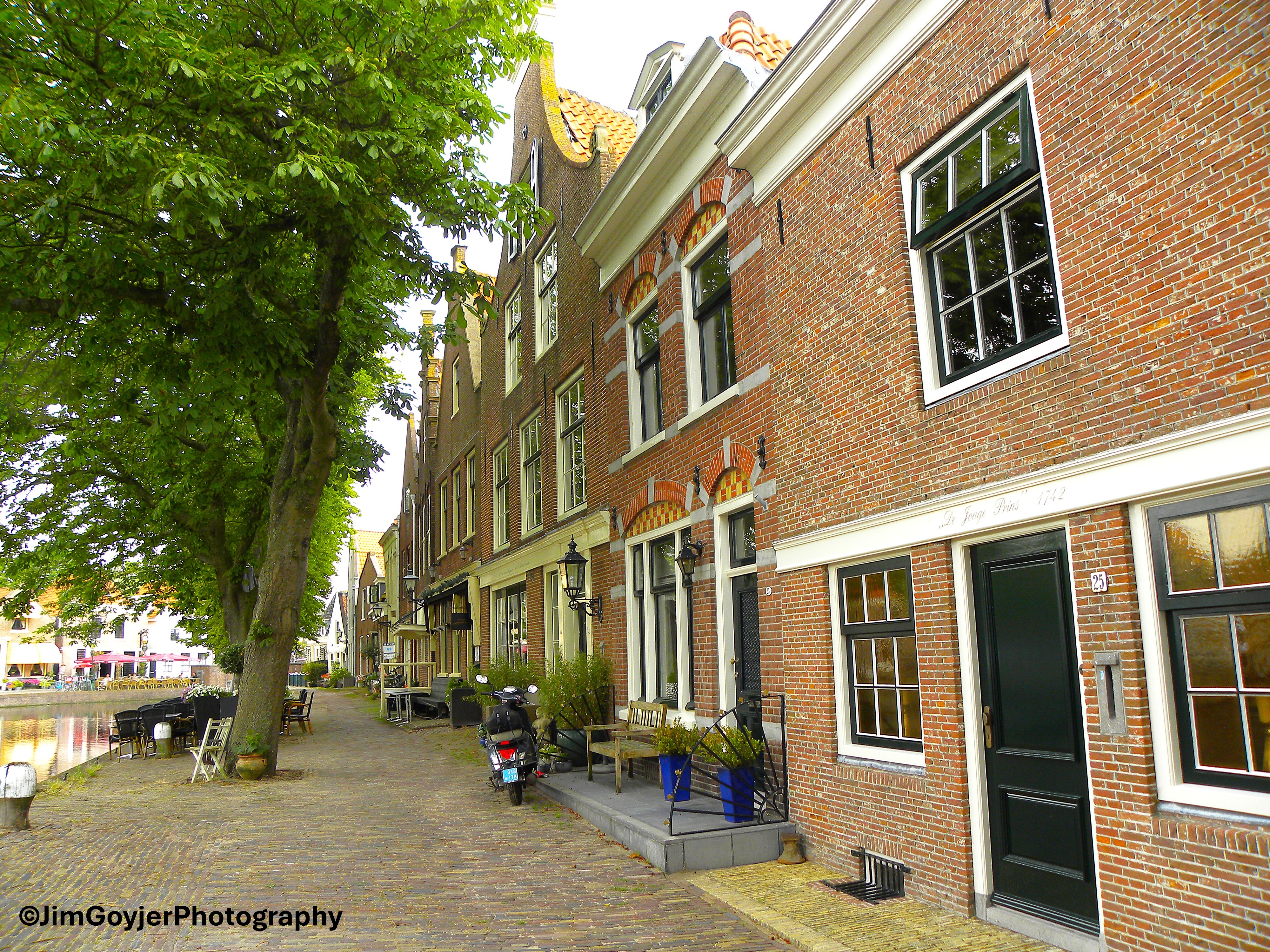
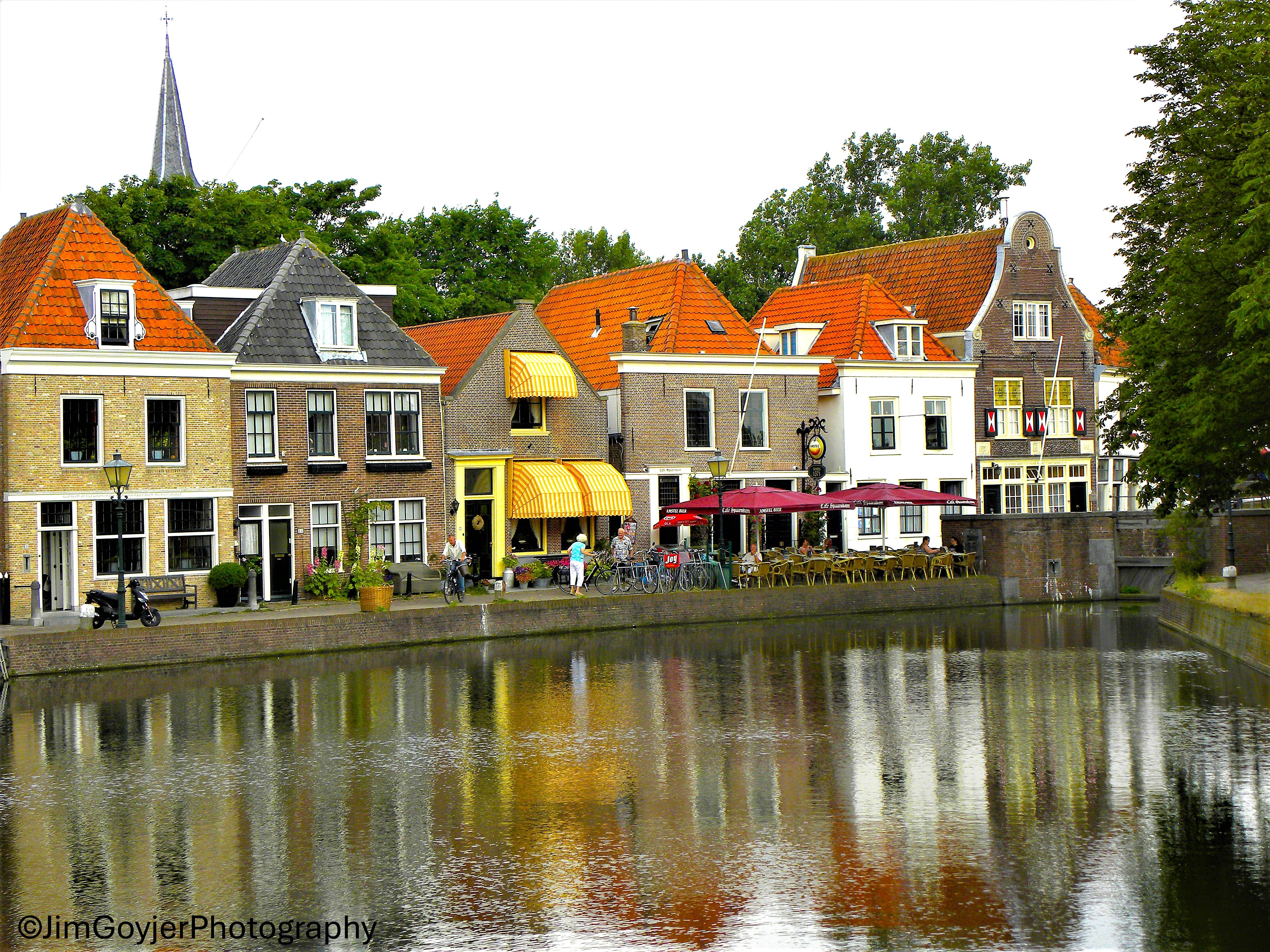
Spaarndam became one of the first protected townscapes in the Netherlands. Take a day and visit the village that adopted Hans Brinker as its own. It doesn’t take long to walk around the basin, or Kolksluis, squeezed between two locks. Stop at Café Spaarndam that dates to 1571, and sit on the terrace with a view of Kolksluis. On a small square under the IJdijk is the reformed Oude Kerk, rebuilt in 1627 after a violent storm. The church is one of the first in the Dutch Republic to be built especially for Protestant services.
Oh, and along the way, stop at Hans Brinker’s statue and take a photo to share with family and friends. The town’s tourist bureau will appreciate that.
 Jim And Nanci Travels
I hope you are wel