By Jim Goyjer
Built almost a thousand years ago, the fortified town of Heusden survived many destructive disasters throughout its history. It was plagued by plagues, burned down a few times, destroyed by the Spanish, occupied by Albanian knights and by the French, exploded by the Germans, liberated by the Sottish and exploited by real estate developers.
After having survived those turbulent events, it was neglected and almost forgotten. Fortunately for visitors, it has risen from the ashes like the phoenix. Today, the town and its enormous fortifications have been completely restored and resurrected. This small 1,300 year-old town in the Netherlands, with a population of only 1,250, has 122 buildings on the Rijksmonument List of national heritage sites. Without a doubt, it has a rich history.
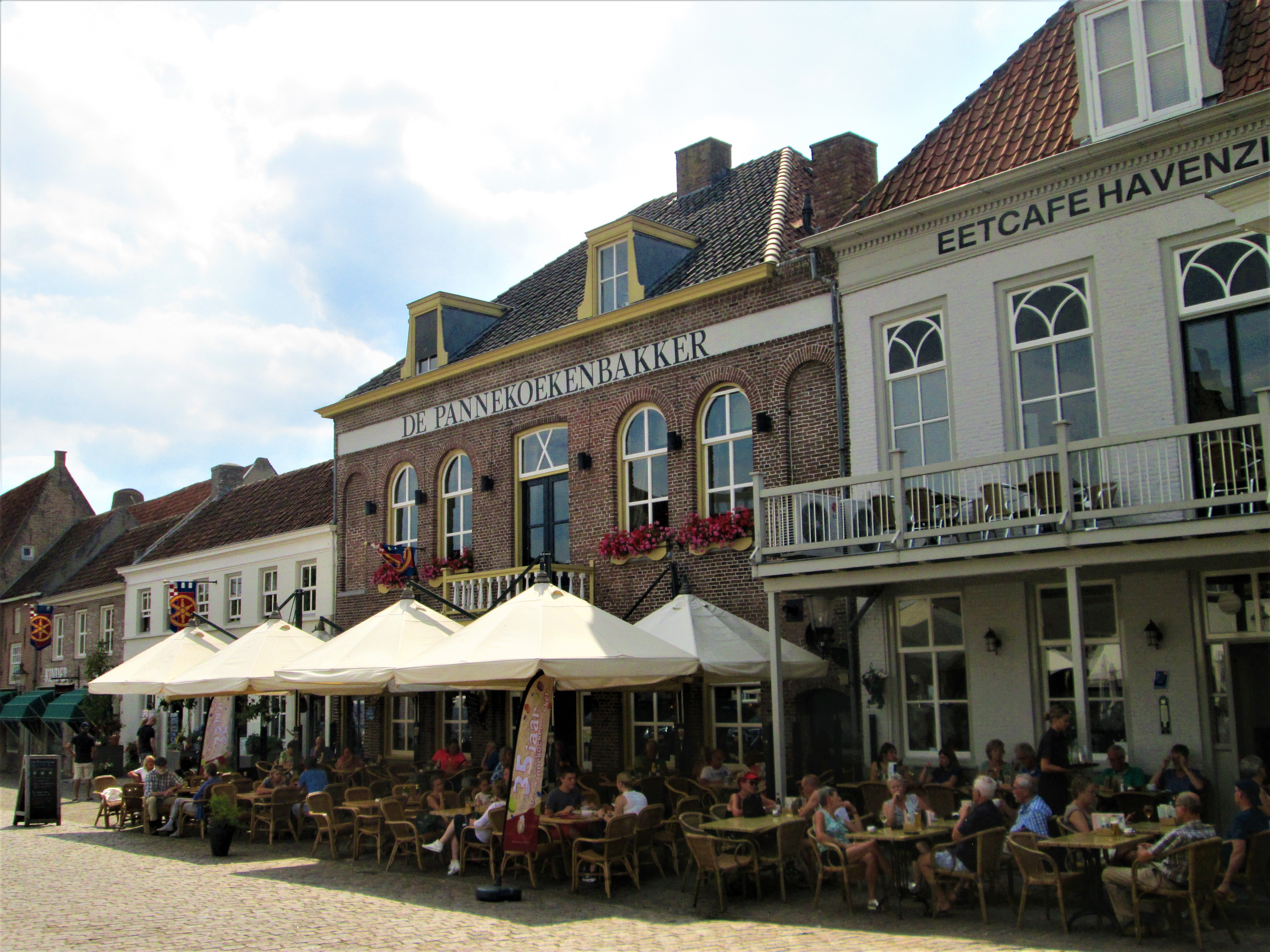
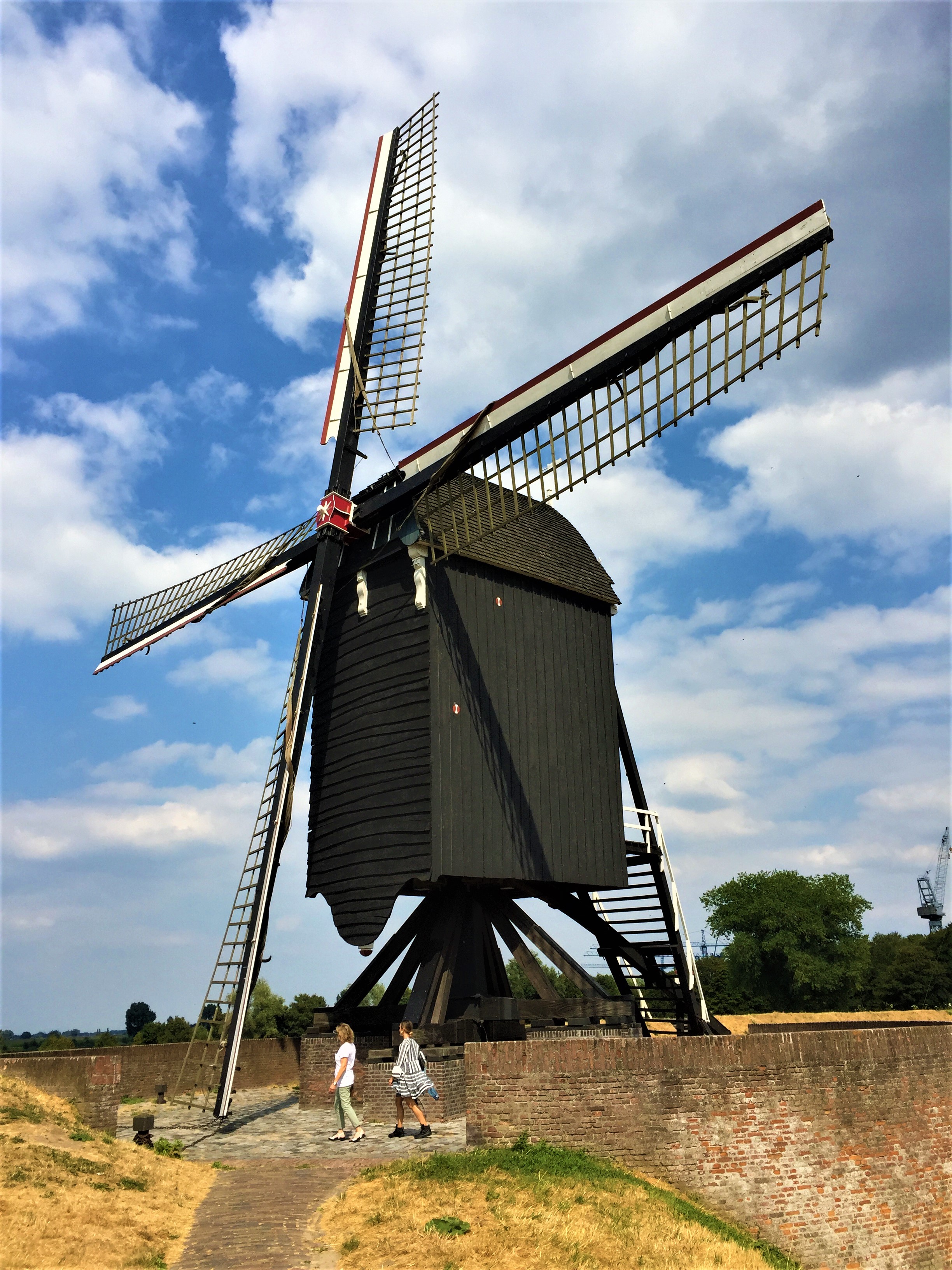
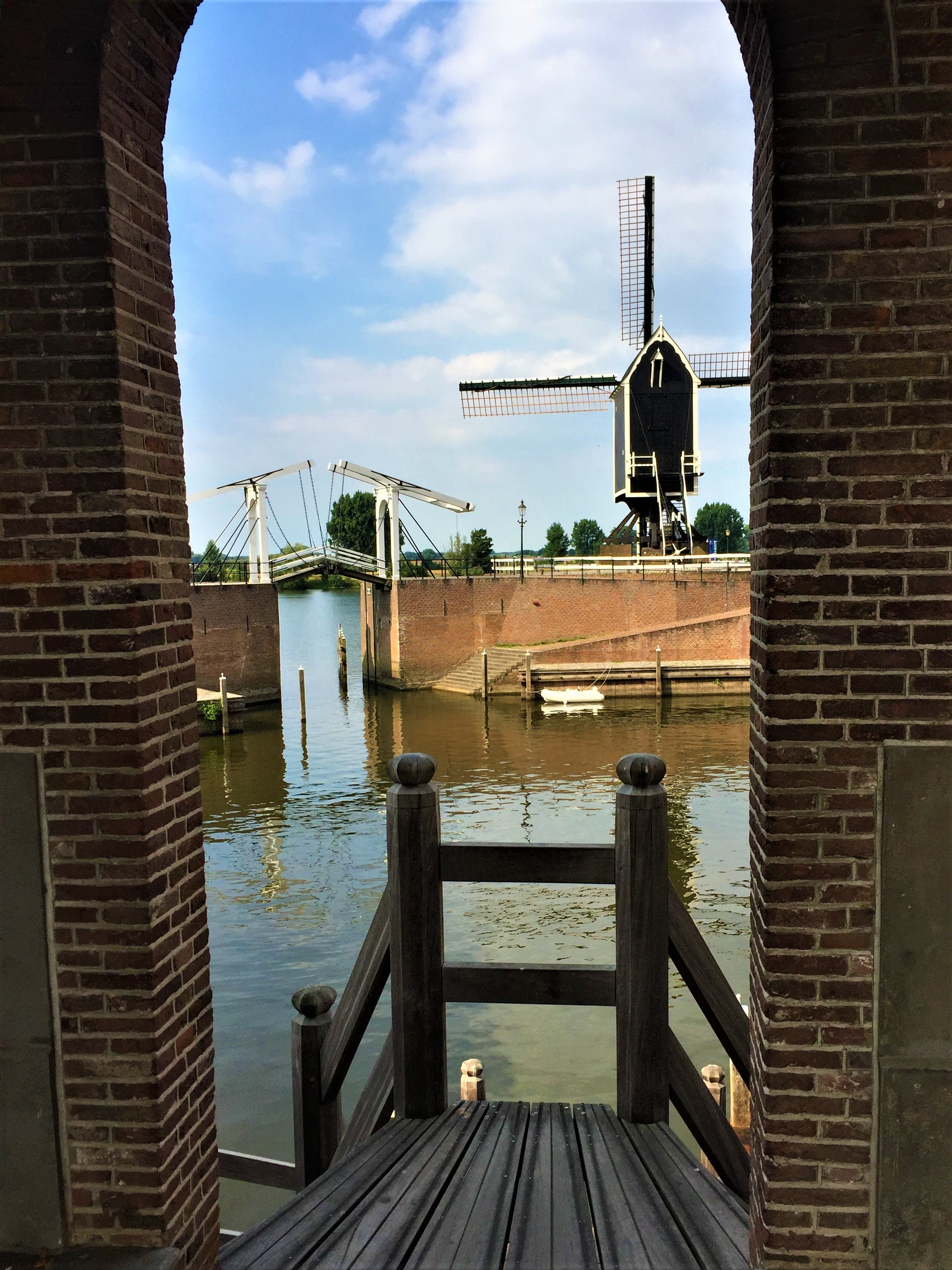
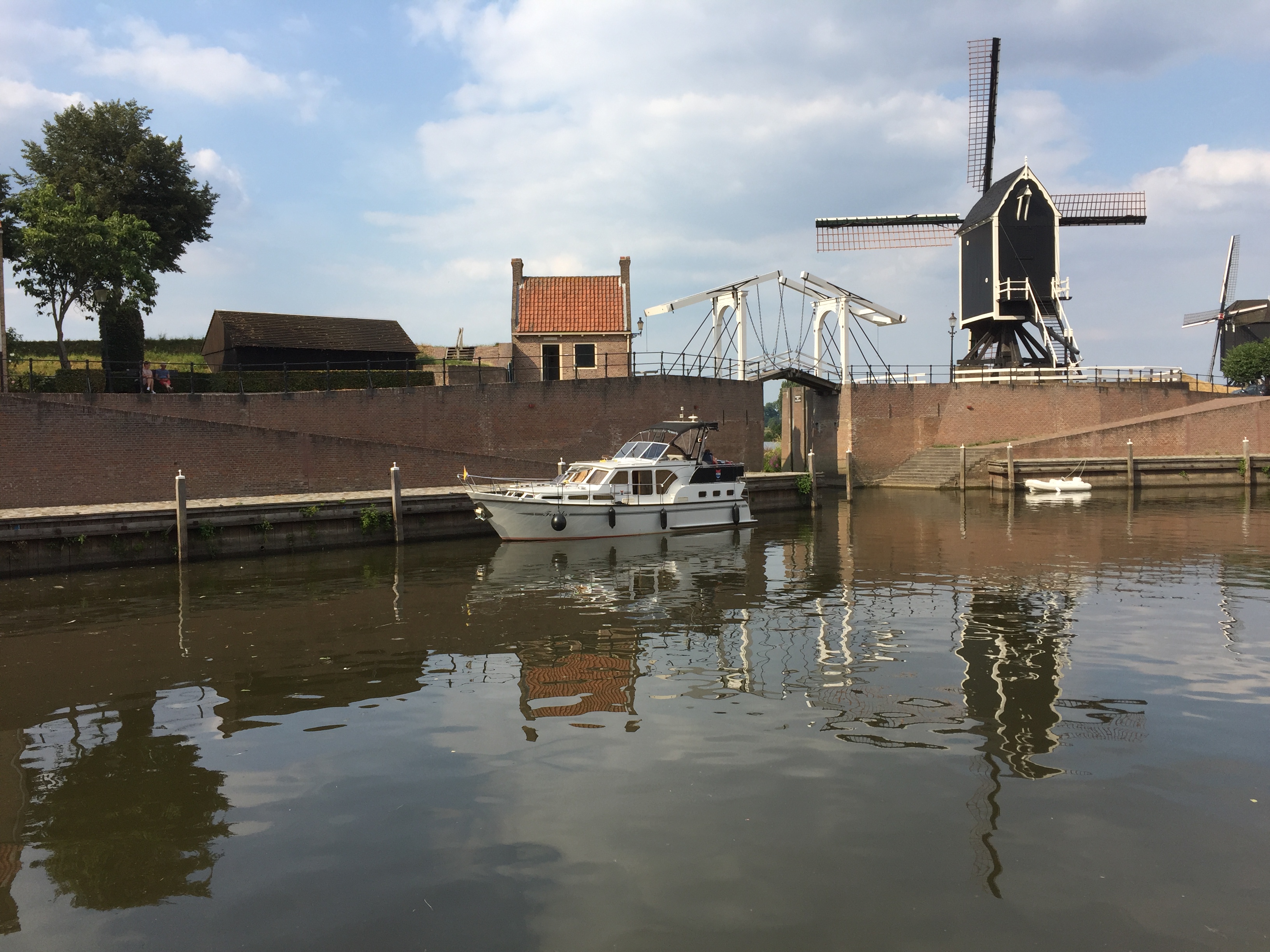
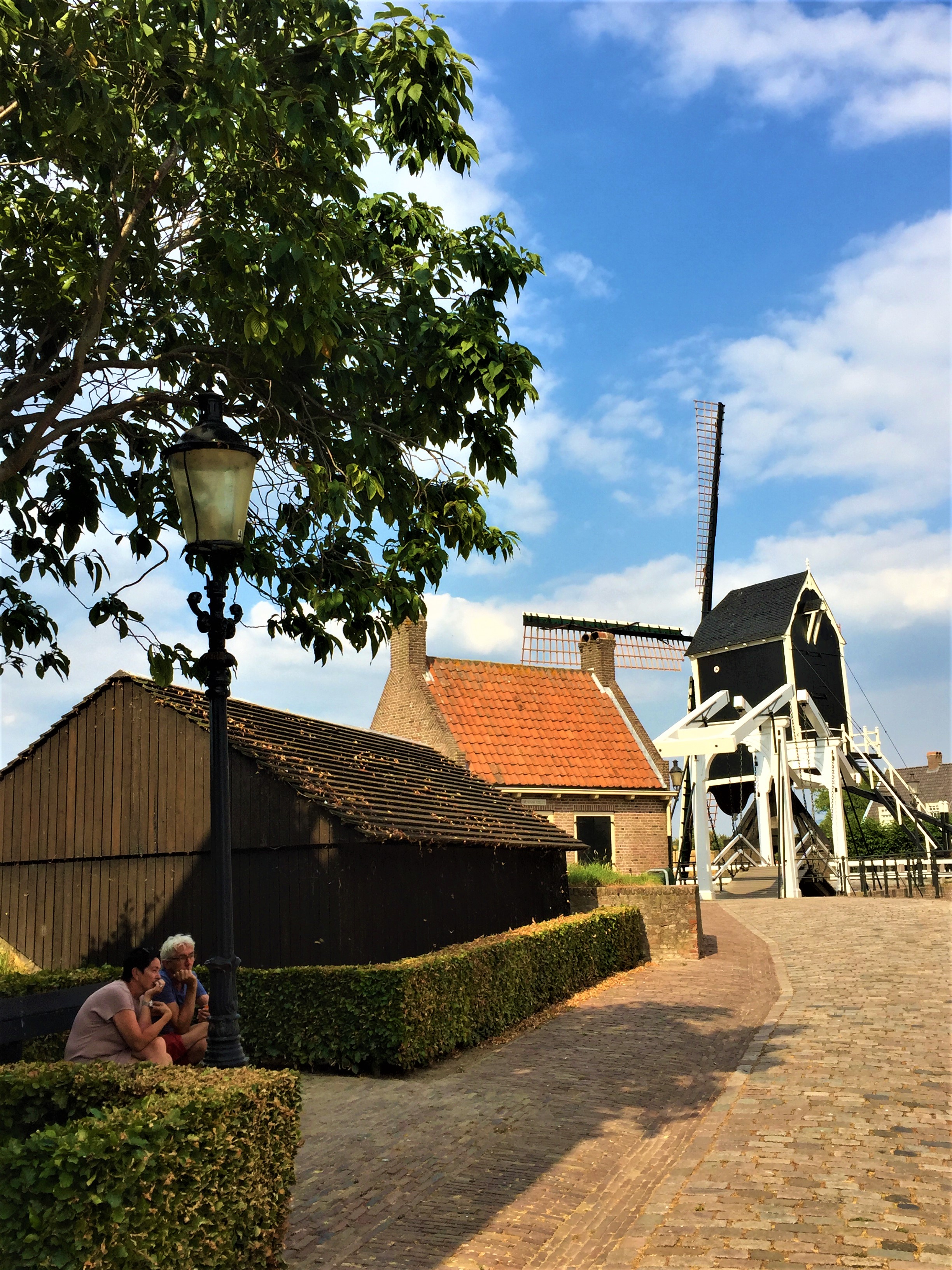
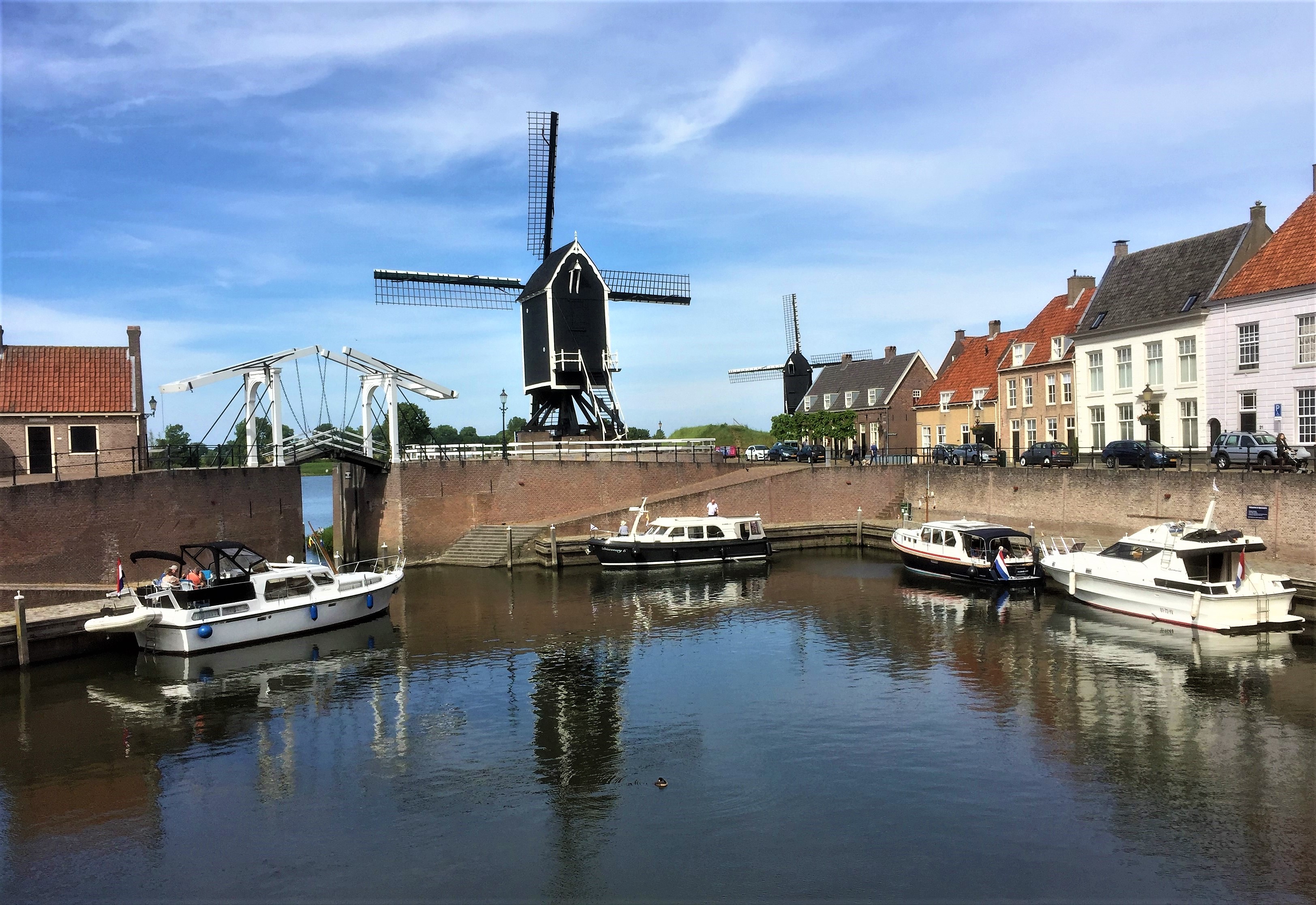
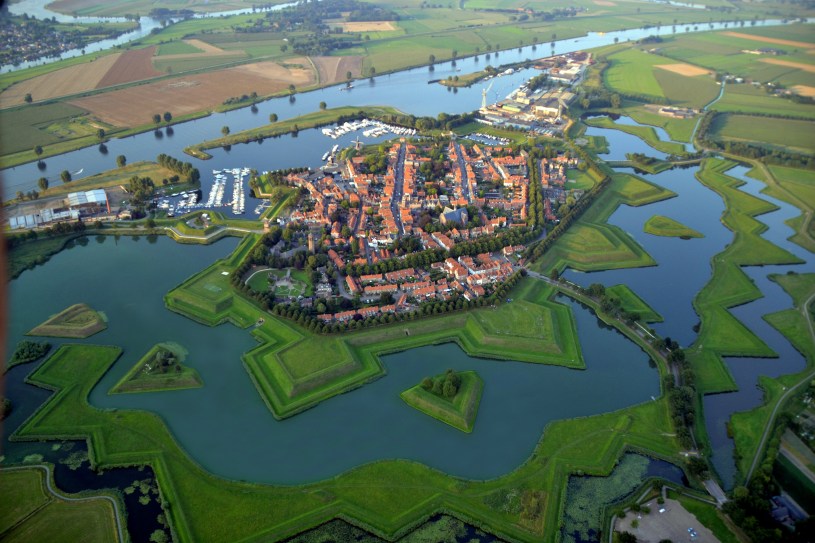
Located in the province of Noord-Brabant on a tributary of the Maas River that leads to the North Sea, Heusden has picturesque streets, historic buildings, art galleries, boutiques, shops, windmills, tiny fortification islands, restaurants and a quaint old harbor, giving it the feel of a storybook village encircled by a wide moat.
In the late 1960s, the city began a thorough restoration. After the restoration was completed in 1978, Heusden was awarded the “Urbes Nostrae” (Our City) prize in 1980 from the “Europa Nostra” (not to be confused with the Cosa Nostra). It is the highest European award given to a historic town for restoring its natural heritage and culture. The Europa Nostra is a non-profit that preserves and promotes Europe’s heritage, while the Cosa Nostra is a for-profit that preserves and promotes nefarious activities.
The first mention of Heusden dates to 722, as “Hunsata Super Fluvium Mosam” (loosely translated from Latin: “Heusden A Super Place on The River to Visit”), in a travel guide left by the Romans. Except for a raid by the Vikings in the 9th century, nothing much happened in the area of Heusden until the 12th century. The current town originated around one of the oldest moated castles in northwestern Europe and was one of the first Dutch towns to be surrounded by a wall.
The hamlet of Heusden on the river Maas started with the construction of Heusden Castle in the 1200s. This castle replaced an earlier castle destroyed by the Duke of Brabant in 1202, during a time when elite landowners and warlords waged war against each other for more land, power and prestige. Sound familiar? In the 1300s, Heusden Castle and the town had a revolving door of landlords, primarily the Counts of Holland and the Dukes of Brabant. Heusden was granted city rights in 1318 by Count of Holland William III who was also called William the Good. He was called William the Good because he was good with real estate deals, allegedly.
In the 1330s, the Brabant dukes reclaimed the castle. It was decided to build a wall with watch towers at three city gates to defend the city and the castle from undesirables. Soldiers were boarded in the castle, keeping people living in the vicinity safe. Between 1340 and 1355 was a period for upgrading the castle and the town. In 1340 the construction of the very imposing fortified octagonal castle keep was started. It was finished by the Duchess of Brabant, shortly after 1355. She would also finish the city’s fortifications.
In 1357 ownership of Heusden went back to the counts of Holland who built a bigger moat and more ramparts engulfing the town, bringing the castle within the town’s fortifications. This resulted in the loss of the castle’s function as a primary stronghold. In the same year Heusden received its city rights, enabling it to trade in fish, which became the town’s primary source of income during Netherland’s so-called Golden Age.
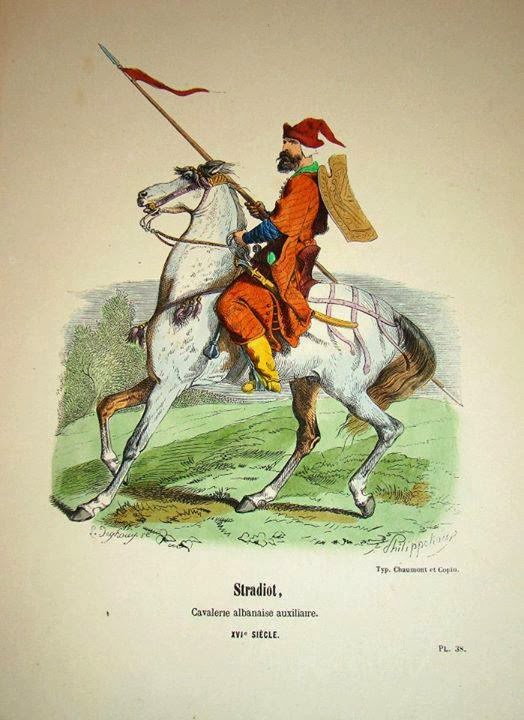
Heusden experienced several disastrous events in the 16th and 17th centuries. The city was hit by a few plagues, bubonic and the like. Then the Spanish came. From 1568 to 1648 the Spanish and their Catholic Inquisition agenda controlled the low countries through marriages, treaties, and wars. The usual stuff for the gentry. In 1567, a cavalry of Albanian horsemen, so-called ‘Roodrokken’ (Red Skirts) took up residence in Heusden. Yes, Albanian knights in skirts in the Netherlands. The Albanians were in service to the Spanish army under Pope-loving Phillip II, who was king of the Spanish Empire that included the Netherlands. The citizens of Heusden were compelled to pay for their livelihood that included ale and food for the freeloading knights and their horses.
This group of Albanians, called the Stradioti, were Albanian mercenary knights from Italy who during the Middle Ages migrated to Western Europe from the Balkans and offered their services to almost all the kingdoms and states of Europe from the 15th century until the middle of the 18th century. They participated in all the major European conflicts of the Middle Ages. They introduced light cavalry tactics into European armies. They were equipped with short stirrups, small spears, beaver hats, and Turkish swords. Even the English used the Stradioti to fight the Scots in the early 1500s. They went skirt to skirt.
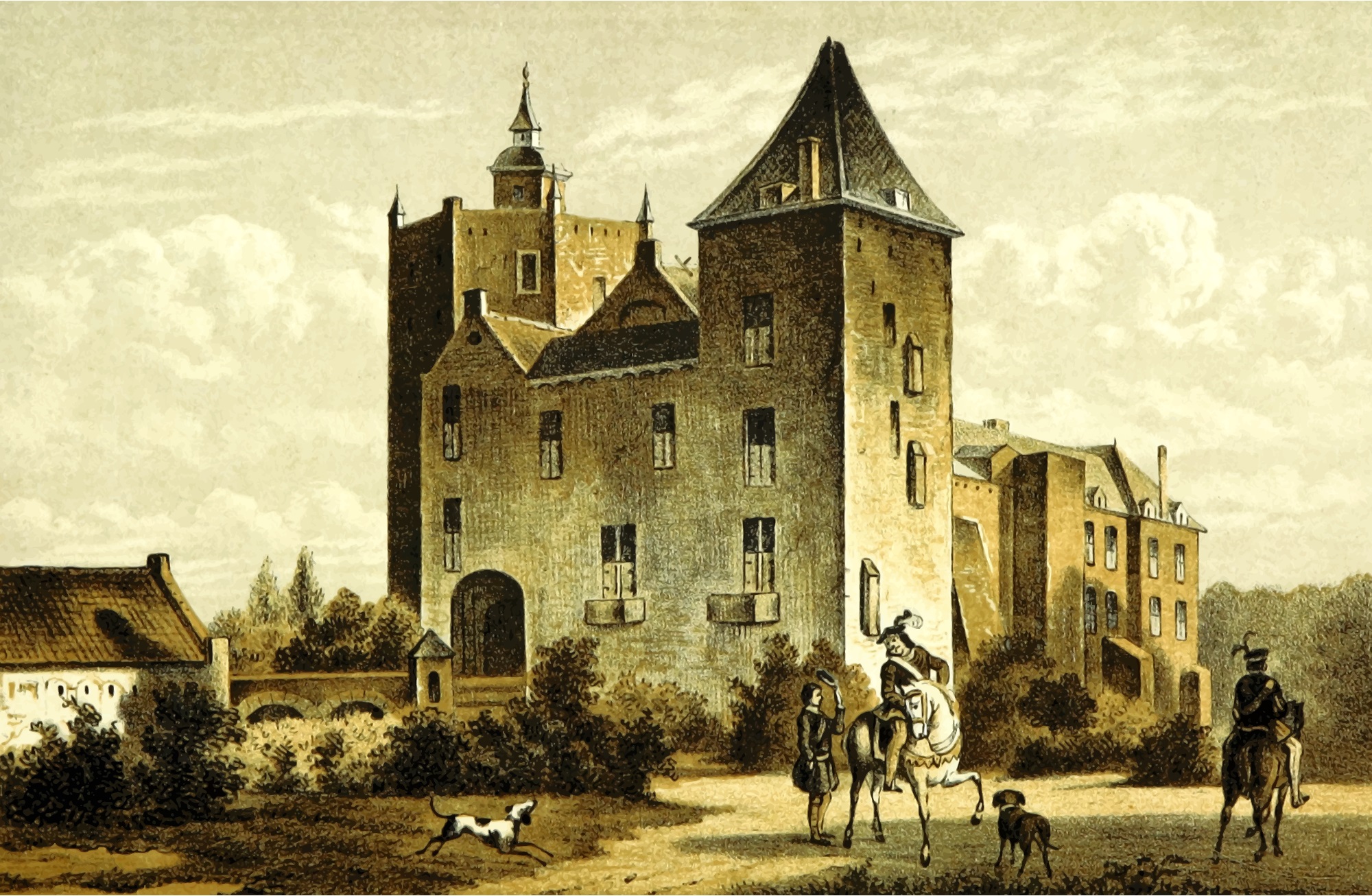
On January 17, 1569, the freeloading Albanians had enough of Dutch winters, oliebollen and appelflappen and returned to warmer Italy. But not without murdering three of the town’s citizens during a drunken brawl. They were replaced by a regiment of Spanish soldiers who were there to suppress the emerging Reformation. The Spaniards almost completely destroyed the town, except the castle which became their refuge. The citizens hated their presence, and they also remembered the murder of three residents a year earlier by their military compatriots, the Albanians.
In 1572, a fire burned down a third of the town, including the beautiful town hall. It was blamed on unsupervised Spanish gunpowder. The townsfolk had enough and sided with the Dutch rebels who were Protestants and determined to send the Catholics back to Spain and beyond. The commander of the Spanish soldiers, who was a Dutch Catholic, saw the writing on the castle wall and left with his soldiers in 1577. Heusden became a garrison town for the rebels who revolted against the revolting Spanish occupiers.
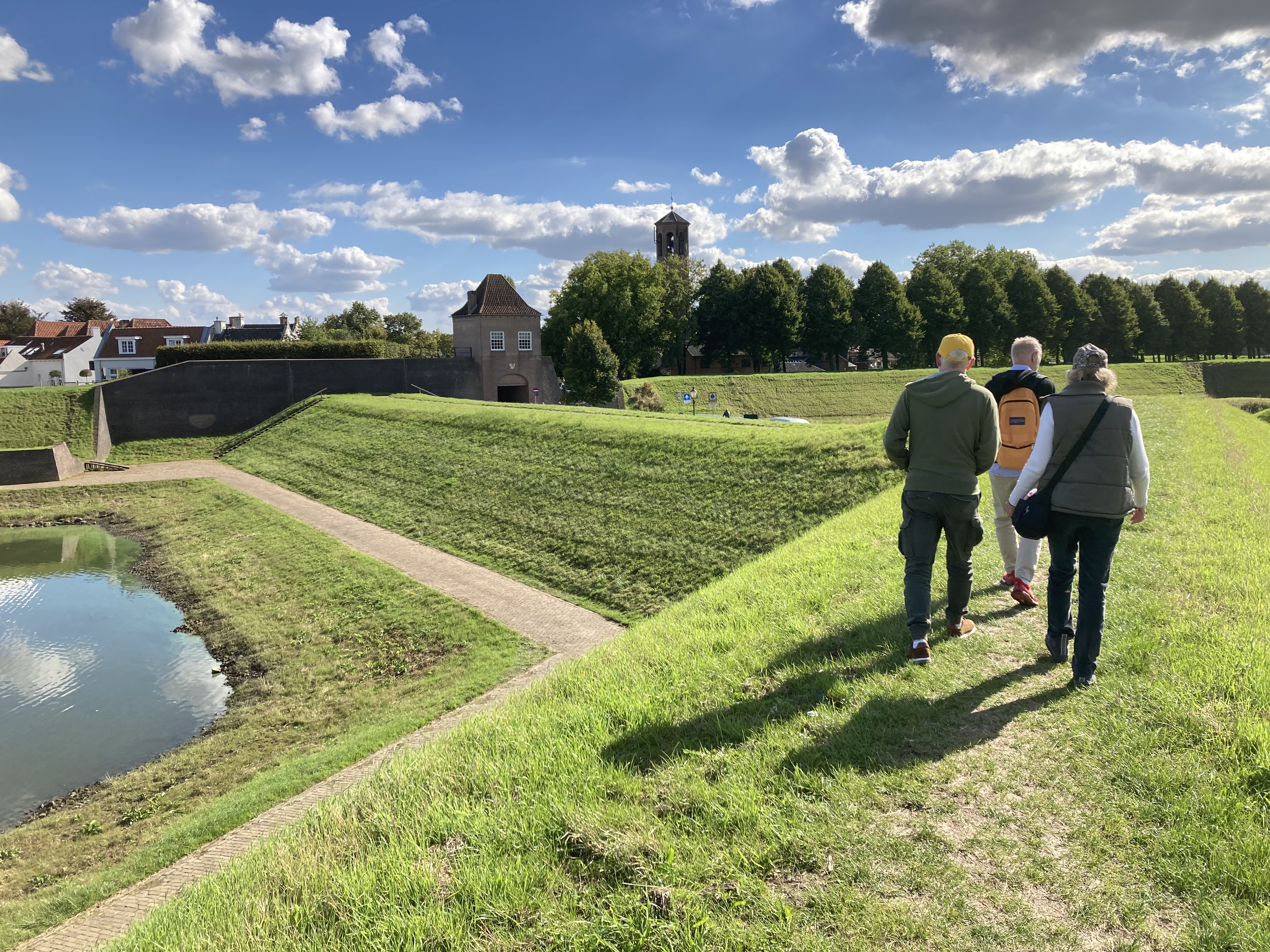
Rebel leader, William, Prince of Orange, decided to strengthen the town’s strategic position near the Maas river and ordered upgrading the fortifications. Work started in 1579 with the digging of moats and the construction of bastions, canals, islands, walls, and ravelins. The project was completed in 1597 and the town became an important military component of the southern flank to protect the Netherlands.
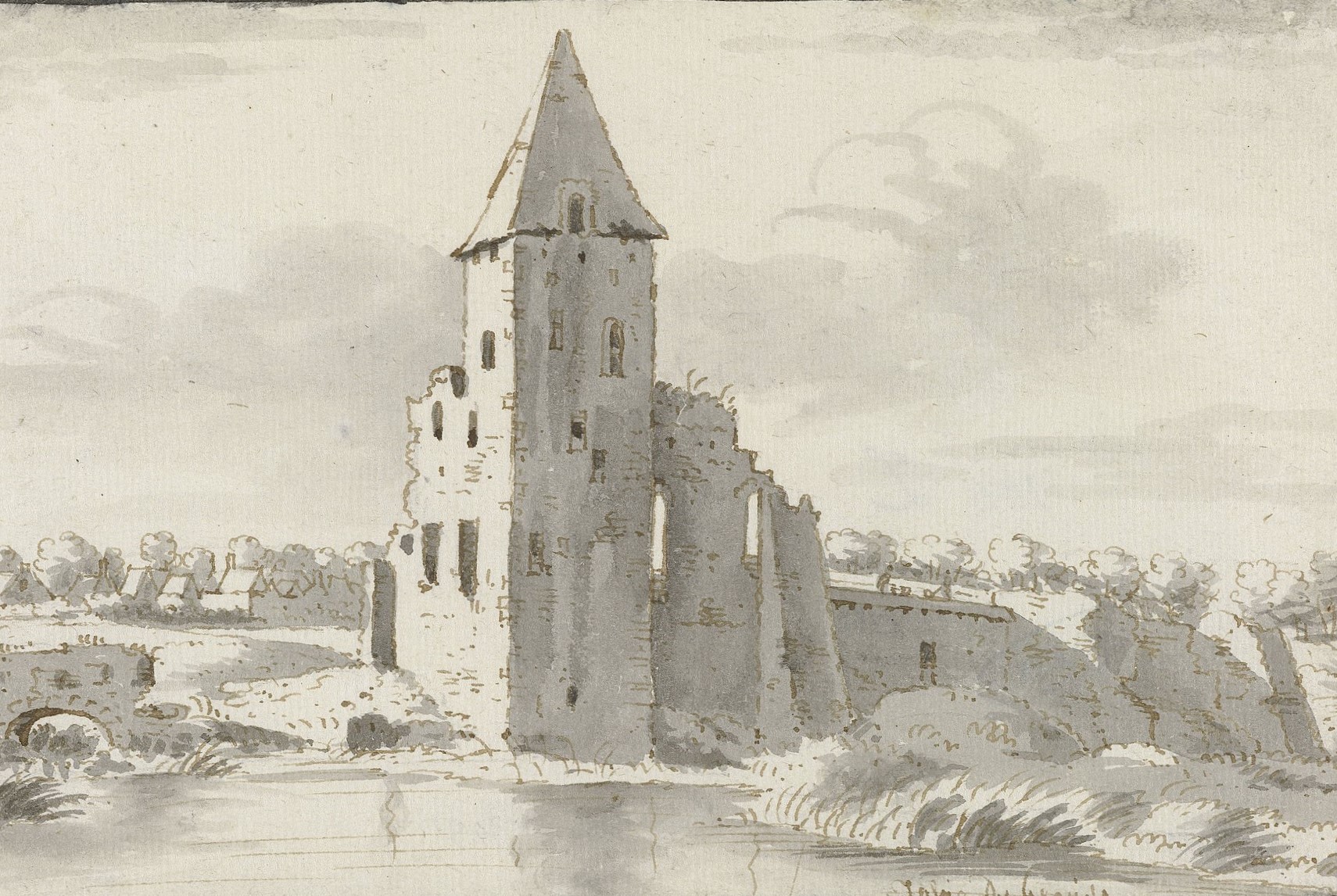
The castle keep became a munition depot. On July 24, 1680, a thunderous thunderstorm hit Heusden. Lightning struck the 40 meter (132 foot) high keep. Sixty thousand pounds of gunpowder and other ammunition exploded, destroying the castle and surrounding houses. It took seven weeks to clear the rubble and debris. The castle was never fully rebuilt.
Then came the French occupation (1795 – 1813), under famed Napoleon Bonaparte. When they left, it had a debilitating effect on Heusden. The Netherland’s King Willem I decided that since stability returned to the Netherlands, Heusden could be slimmed down as a fortified town. Not a good move for its citizens and businesses, because Heusden was financially dependent on housing the military. This cost-cutting decision resulted in the town’s decay and poverty. By 1840 Heusden was home to only 858 residents.
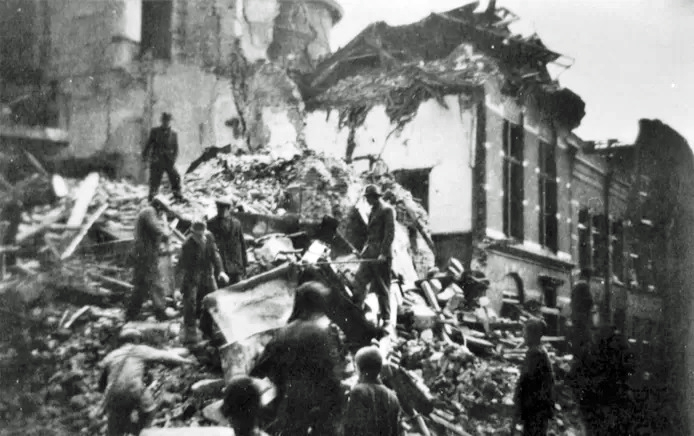
The Second World War brought more damage and suffering to Heusden. The Allies were advancing with heavy artillery. Before retreating, the Germans planted a series of explosives into the town hall, two churches, a windmill, and a dairy factory on the night of November 4,1944. 170 civilians gathered in the cellar of the town hall to seek shelter from the bombardment. In the early morning of November 5th, the Nazis detonated the explosives massacring 134 citizens, which was 10% of the town’s population at the time.
A few hours later the town was liberated by the Scottish 51st (Highland) Infantry Division. The detonation of the town hall was investigated as a war crime. Those responsible for executing the operation were never charged. A new town hall was erected in 1956, but it didn’t look nearly as beautiful as the original that was built in 1461. Since 2005, the building has been a visitors center. A plaque in honor of the victims was placed, and the massacre is commemorated every year.
Having weathered over the centuries the onslaughts by warlords, the Albanians, the Spanish, the French and by the Germans, Heusden was now being besieged by 21st century real estate developers. Just when Heusden had become a protected historic town, real estate developers moved in. In 2012, with the blessing of community leaders, a plan was developed to build 63 luxury apartments, with underground parking, for senior citizens on top of a Medieval monument.
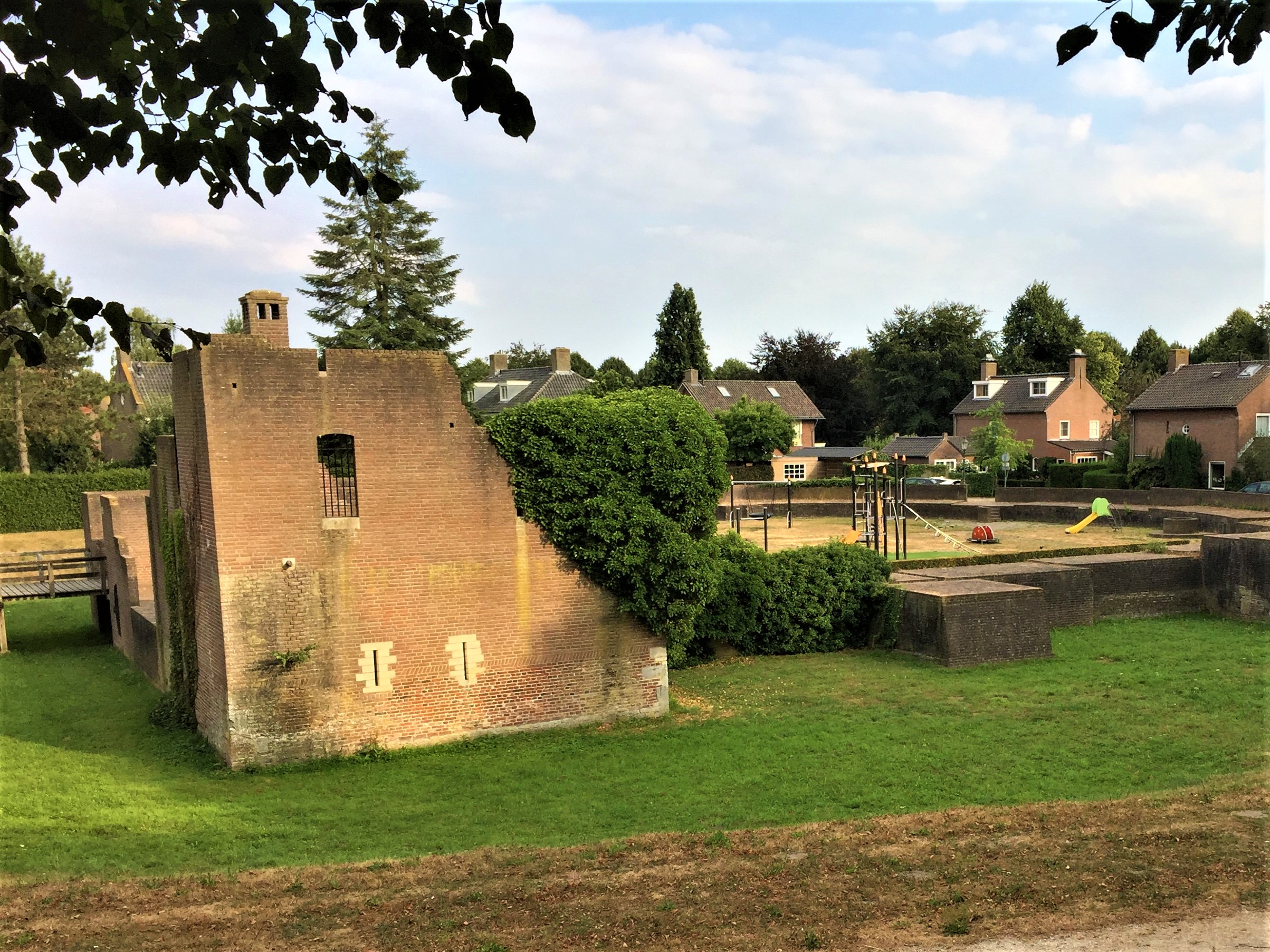
The outlines of Heusden castle’s main features were restored in 1987, and many heritage organizations and local residents were aghast over the planned developement, envisioning luxury apartments on top of iconic castle ruins. Besides, it was illegal, since it was part of a protected cityscape. Overwhelmed by the criticism, in December 2012 the initiative was cancelled. The repurposed castle ruins became a children’s playground and a park.
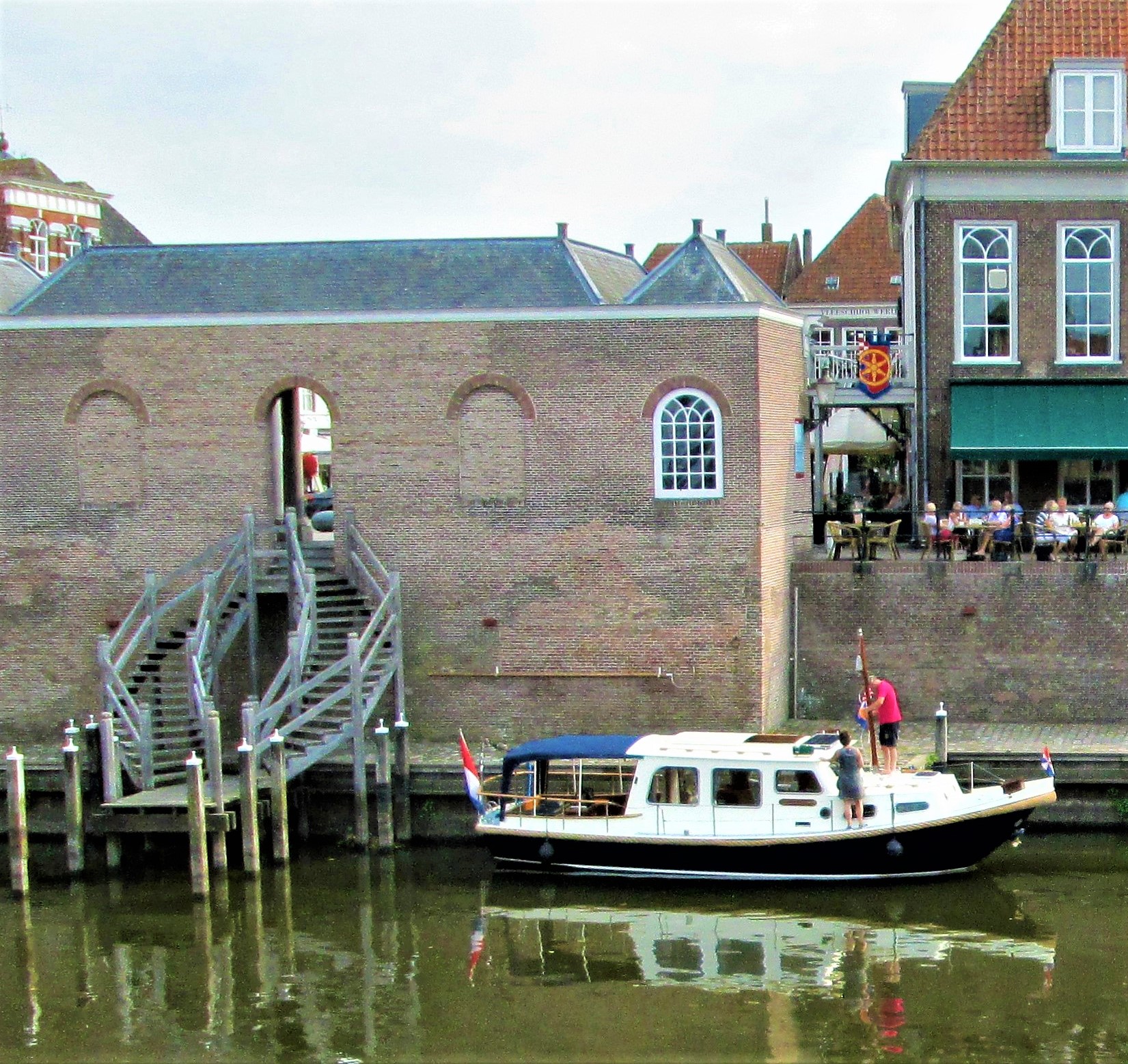
The most striking building on the main town square is the Visbank (Fish Depot). Until the late 1800s this square had a lively fish market selling salmon, sturgeon, herring, cod and more. The Visbank is adorned by 12 Dorian columns. The portal was a doorway and a weigh station for delivering fish from boats to market. In the 19th century, the building was also used by town criers who took shelter there at night between their rounds around town.
Today the fortress town of Heusden is again “Hunsata Super Fluvium Mosam” (“A Super Place to Visit”…: a very loose translation) and a great destination for lovers of art, culture, history, water sports, good food and drinks.