By Jim Goyjer (15 min.)
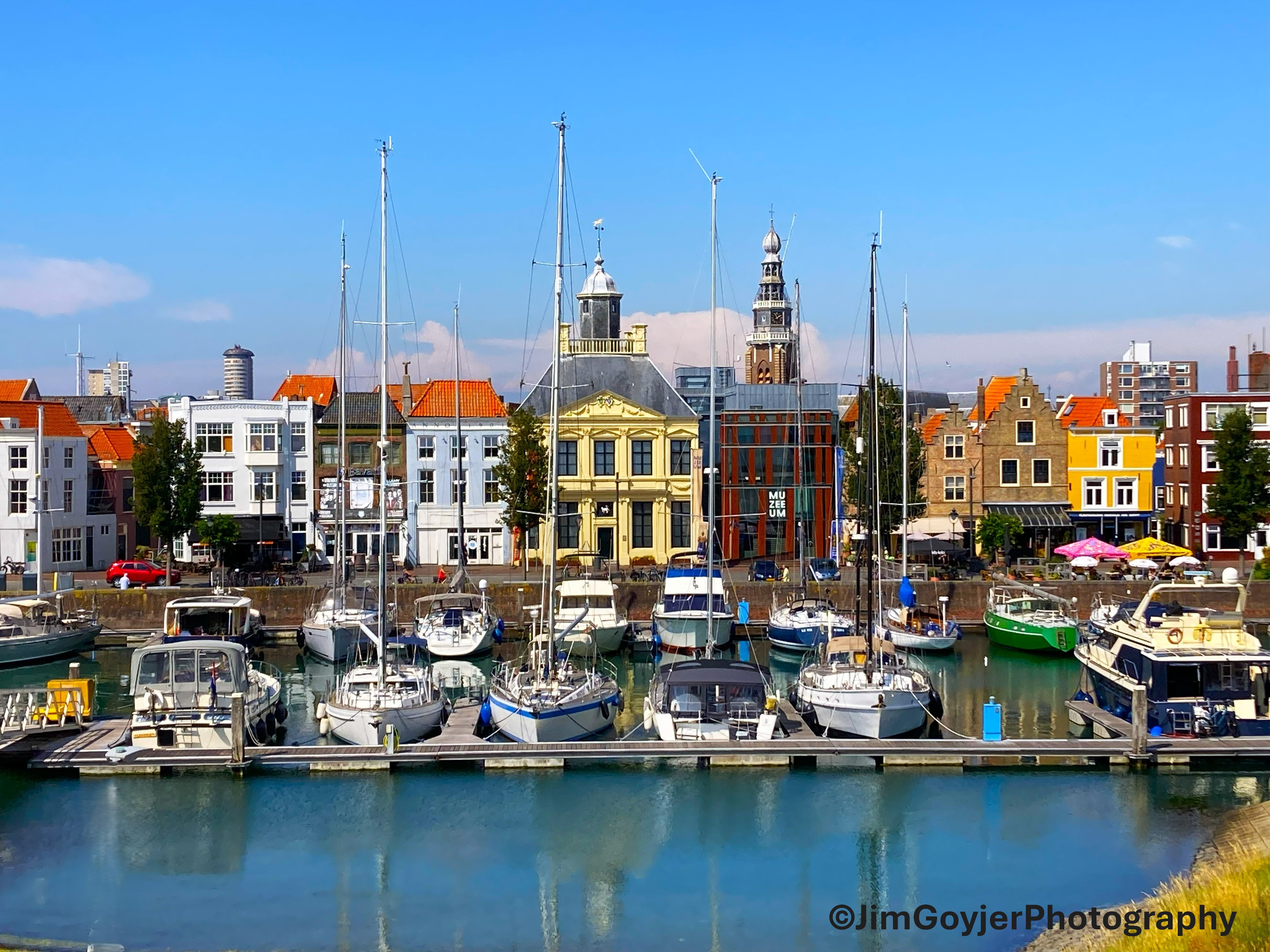
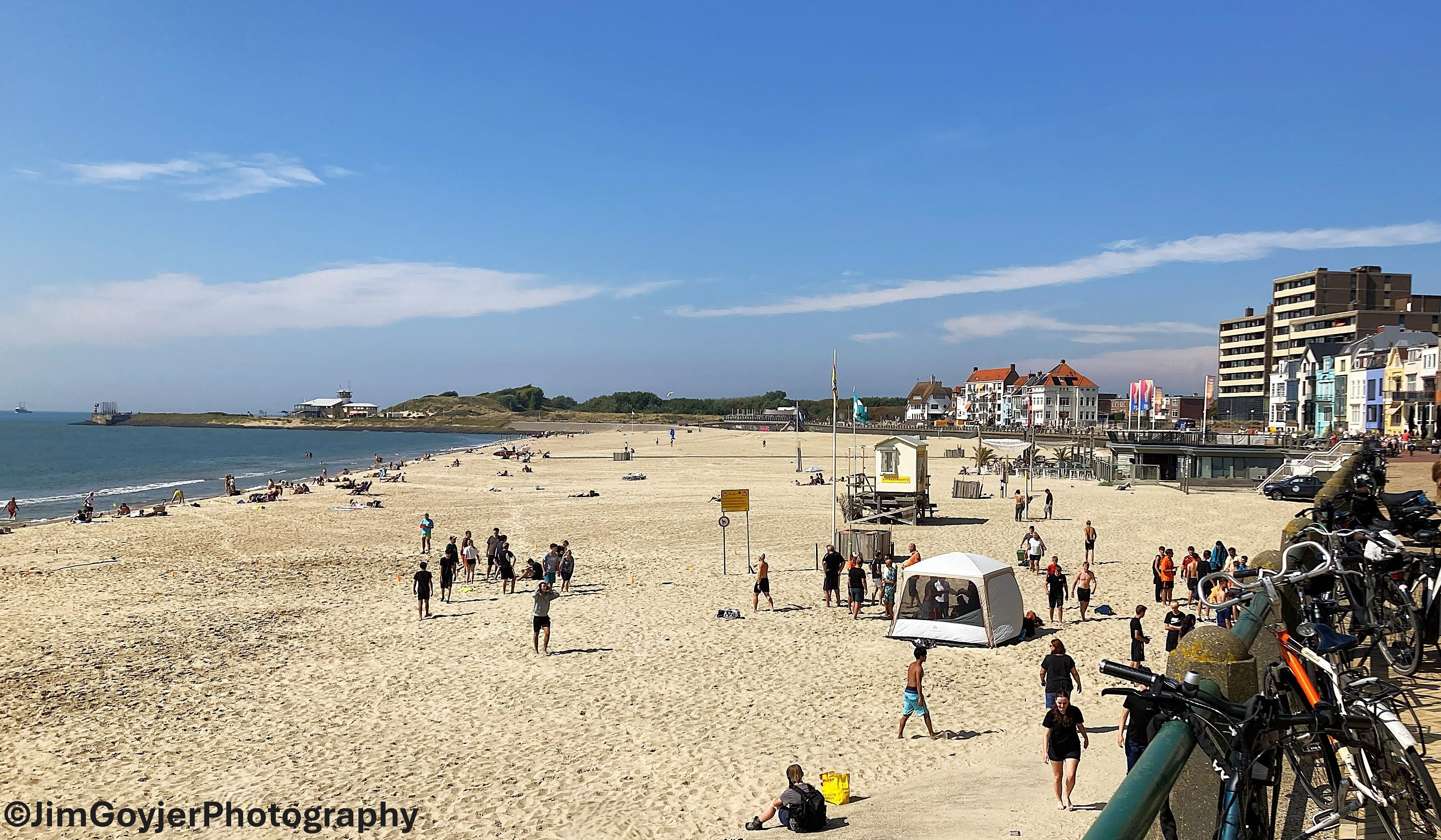
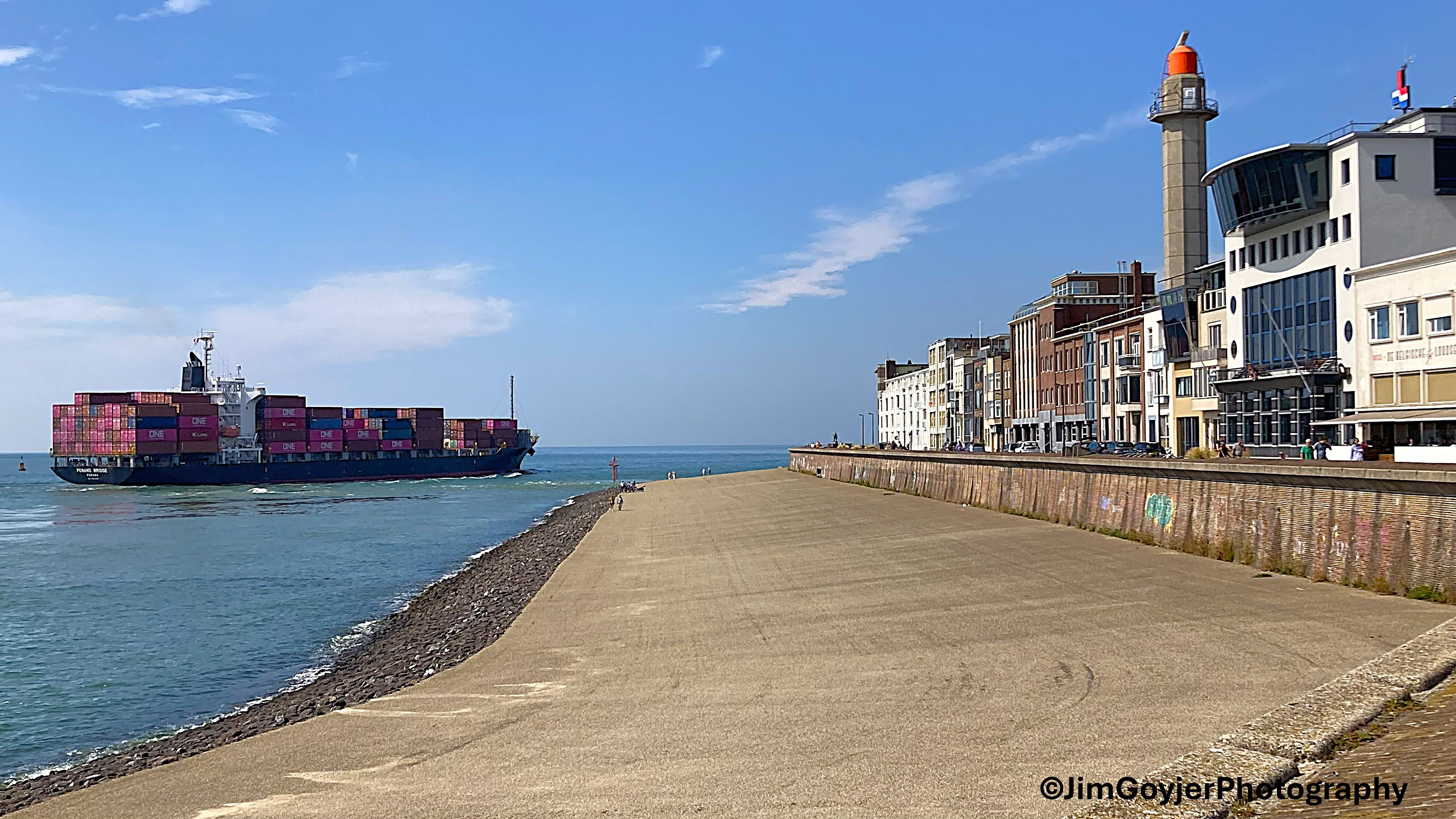
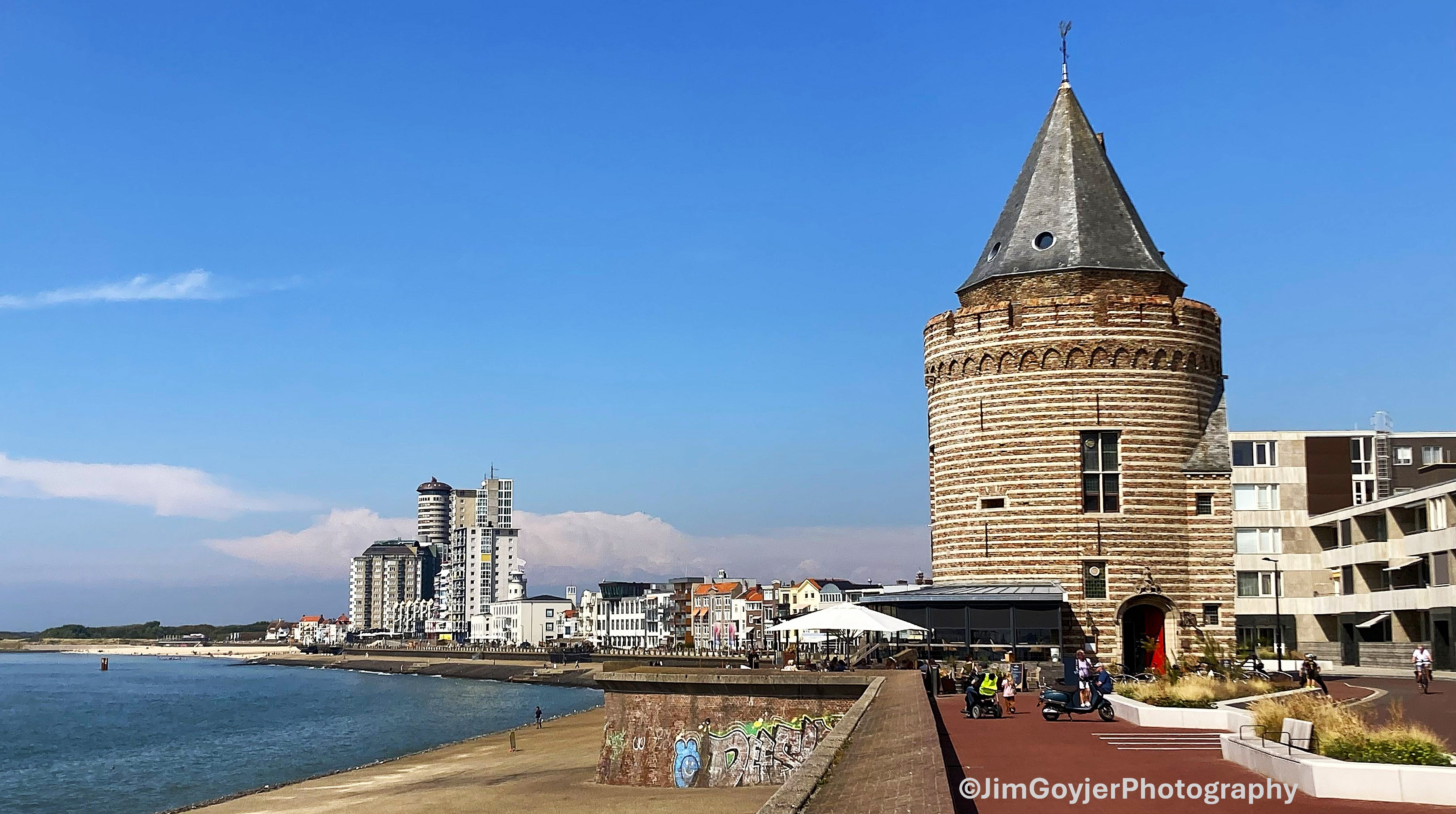
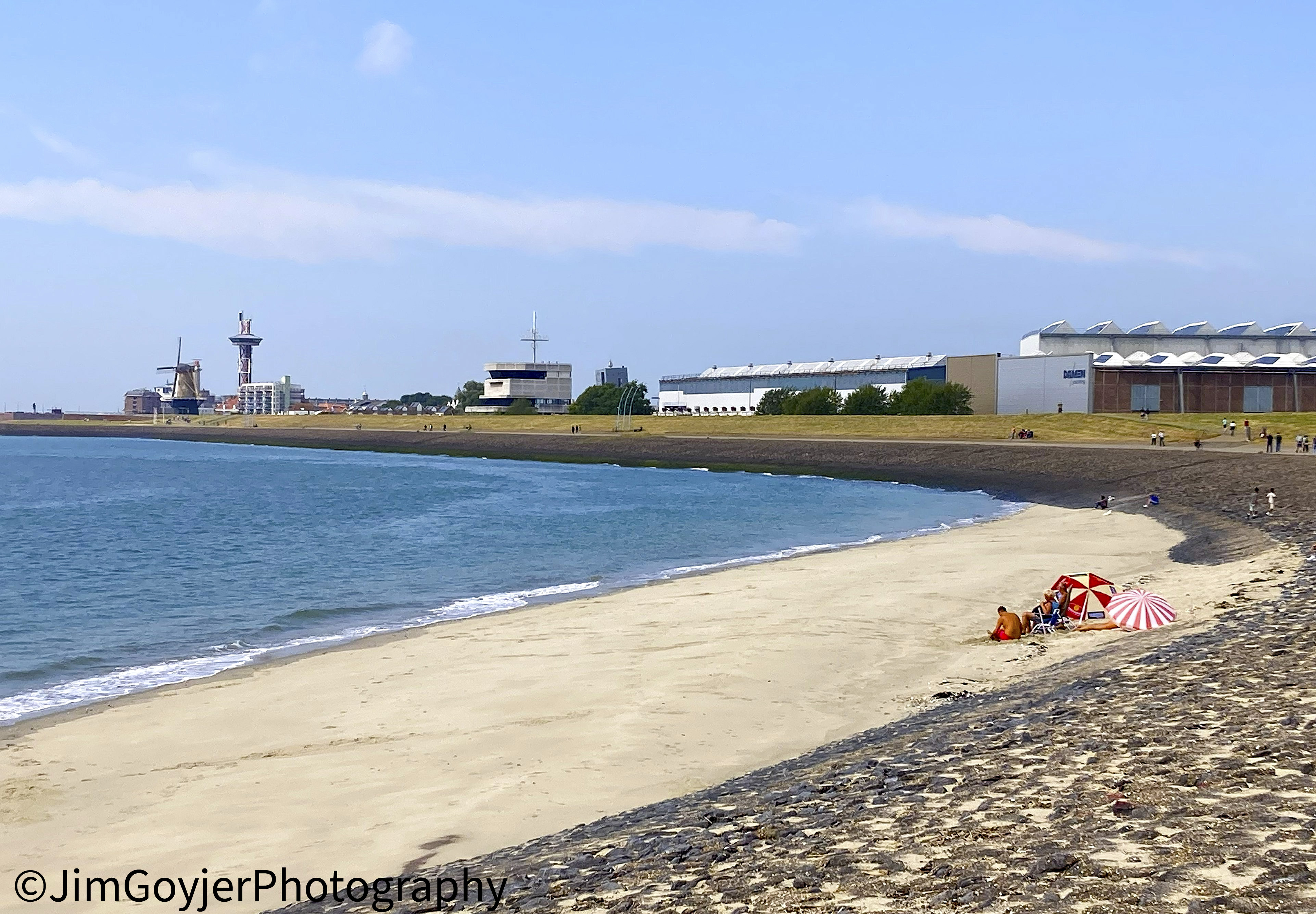
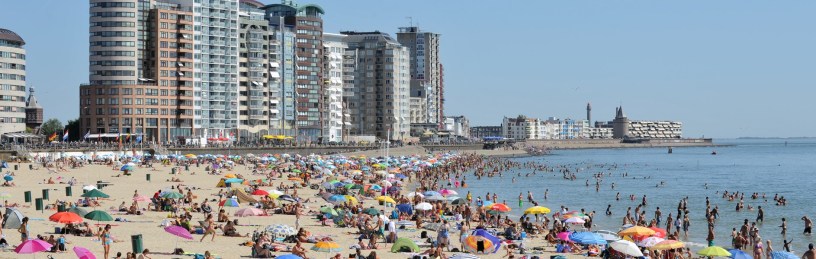
For centuries the historic port city of Vlissingen (also known as Flushing) in the Dutch province of Zeeland, on the island of Walcheren, has been one of the most important trading seaports and naval bases in the Netherlands. Today Vlissingen is a seaside resort and tourist destination, attracting thousands every year. It has one of the longest seafront promenades in Europe bordering one of the most beautiful beaches in the country. It’s also a great place to sit and watch cargo ships and ocean-going vessels pass surprisingly close to the shore. Vlissingen has an eventful history. The strategic location of the city at the mouth of the Westerschelde has left its mark on the city, as well as the 300 monuments that are reminders of its rich history.
Because of the town’s strategic location, it was occupied, oppressed and bombarded by the French, Germans, Spanish and British. It was attacked constantly since it had direct control over access to the North Sea and Antwerp, one of the most important ports in Western Europe since the Middle Ages. The town was a defensive chokepoint, fortified with coastal artillery and casemates.
Vlissingen dates to 620 AD when it was nothing more than a fish stand on the river Schelde. Word got around that it was a good spot for catching fish. As more fishermen arrived and fishmongers set up more stalls and shops, it was elevated to the status of a village in 917. By 1214 it had a church and a guest house for lonely travelers. In 1315 It was granted city rights after it developed a profitable seaport. The town was not subject to moving sandbanks, a problem with many other ports. It grew into a hub not only for the fishing industry, but also for international commerce, privateering and the slave trade, a trade the Netherlands is not proud of today and has apologized for. In the mid-15th century, the port facilities were further extended, financed by a local haring trade monopoly in cahoots with the town elders. It was a fishy transaction.
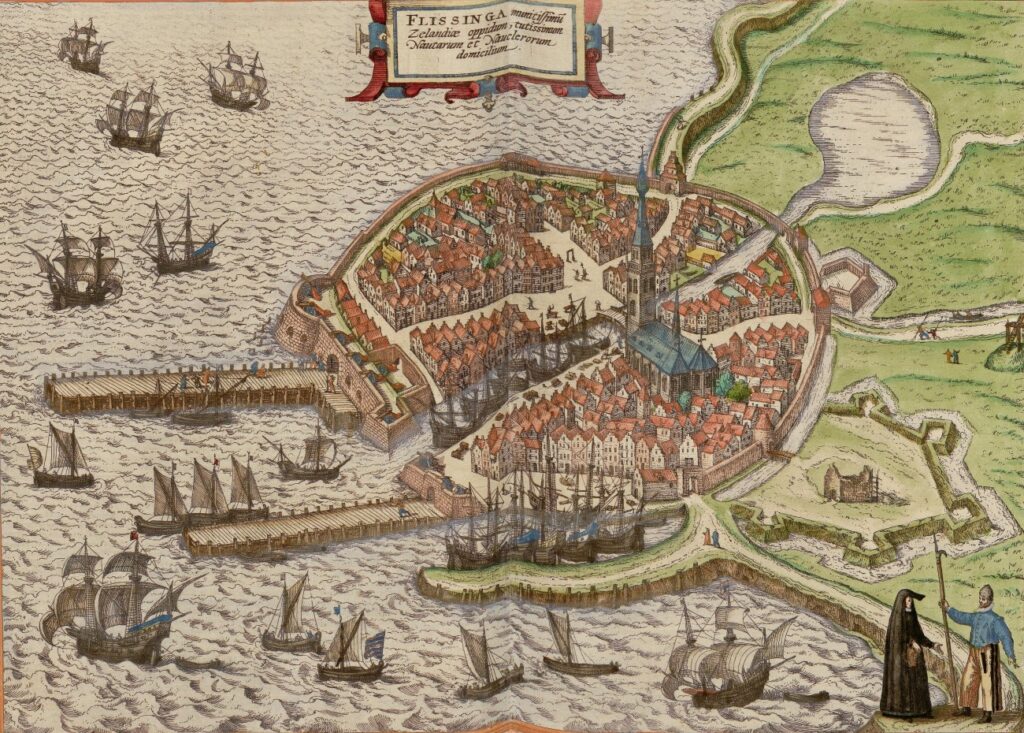
At the end of the 15th century the newly formed Dutch Republic, consisting of seven northern provinces, chose Vlissingen as an armory for the Zeeland Admiralty. The Zeeland Admiralty was one of five Admiralties in the Netherlands. It had shipyards in the nearby towns of Middelburg, Veere, Vlissingen and Zierikzee. The shipyard in Vlissingen was one of the most important. The town was famous for its shipbuilding and ship repair industry and for supplying warships with provisions such as bread, bitterballen and beer.
The Spanish inherited the Low Countries, encompassing present-day Belgium, the Netherlands, and Luxembourg, from the House of Habsburg. From the 11th century, the House of Habsburg was a noble German family that became one of the most prominent royal dynasties in Europe, ruling around 15 modern European countries. In 1556, the House of Habsburg split Europe in two, Western and Eastern. The House had become overcrowded with dukes, archdukes, kings, queens, emperors and the like.
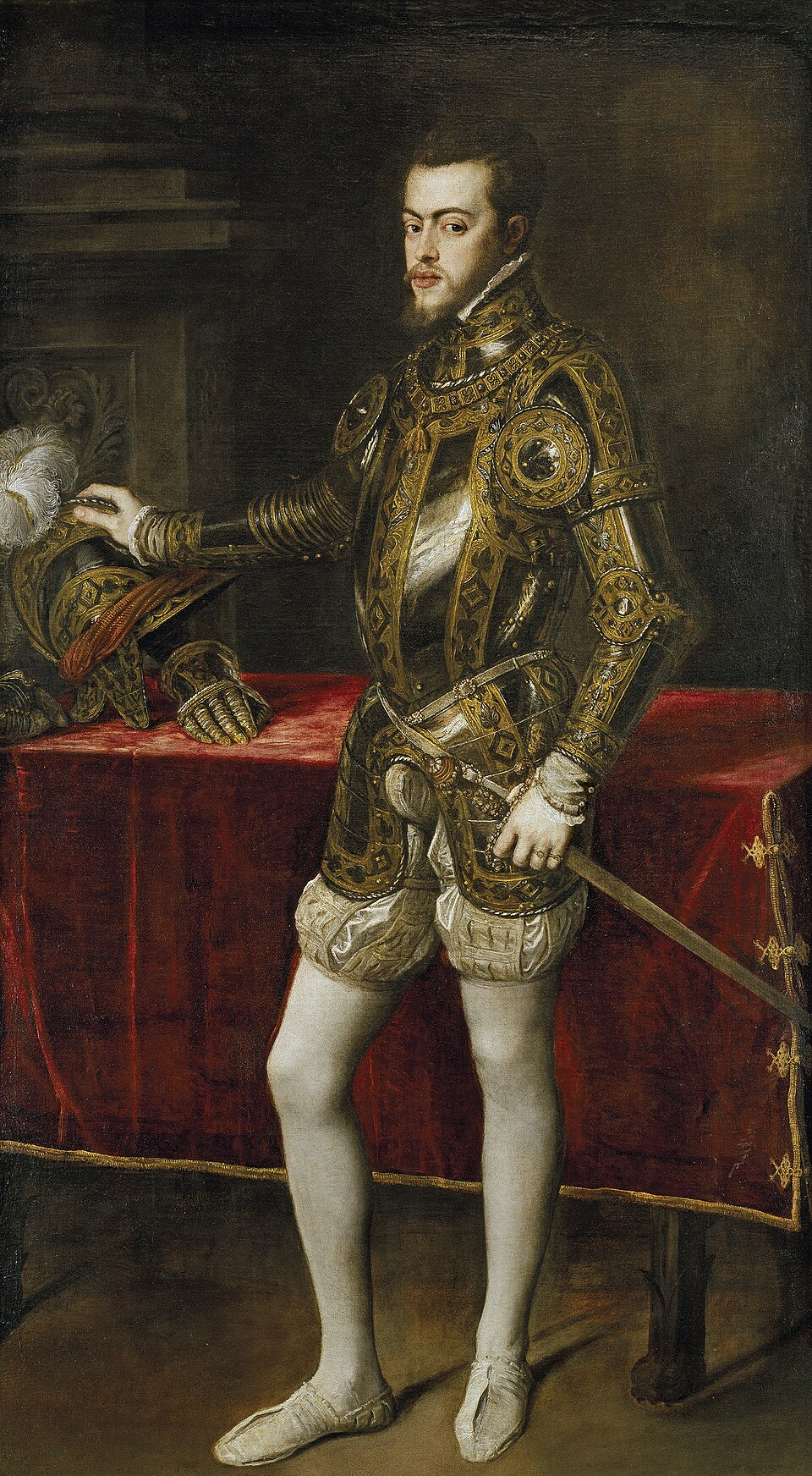
The Western Habsburg Spanish faction came under the rule of control freak King Phillip II, who considered himself as the chosen defender of Catholicism. That did not sit well with the Protestant Dutch. Philip’s oppressive occupation and ensuing religious violence led to the Dutch revolt in 1568 and the beginning of the Eighty Years’ War (1568–1648). The causes of the war included the Inquisition, excessive taxation, and the diminishing rights and privileges of the Dutch nobility and cities. The Protestants demanded religious and political independence and for the Spanish to learn Dutch.
Vlissingen’s strategic position on the Westerschelde (Western Scheldt River) estuary made it a major focal point of the Eighty Years’ War. Because the Westerschelde provided an open connection between the North Sea and the Scheldt River, it was a valuable gateway to the port of Antwerp. Recognizing the town’s military value, the Spanish started building a stronghold to keep the population firmly in check and to close the Scheldt River to navigation. Before the Spanish blockade and the city’s fall in 1585, Antwerp was the wealthiest and busiest commercial hub in Europe, handling 40% of global trade.
During this military occupation, Vlissingers were forced to house not only the Spanish but also their hired mercenaries from Germany and Wallonia, a southern region of today’s Belgium. Citizens were also required to provide food, drink, and stroopwafels for dessert. It was ruining the local economy and destroying all privacy. These troops caused nothing but chaos for the town’s roughly 4,000 residents, frequently plundering pantries and stealing recipes.
Vlissingen became the first town to rebel against Spanish rule, having had enough of these military hooligans. On Sunday, April 6, 1572, the citizens united in their resistance: Catholic and Protestant, citizens and rulers, poor and rich, gathered in the Sint Jacobskerk, marched on the town hall, and took matters into their own hands. They successfully disarmed and expelled the occupying garrison by throwing wooden shoes at the soldiers and hanging a Spanish a military engineer who was the chief fortification builder. The locals then requested the assistance of the nearby Watergeuzen (Dutch seagoing rebels) to help prevent a Spanish fleet from entering the harbor. No other city had liberated itself before. After April 6, many cities in the provinces of Zeeland and Holland would follow Vlissingen’s example.
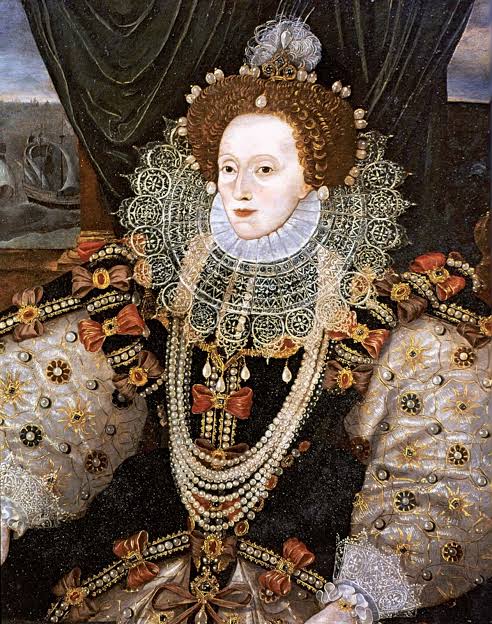
The Dutch have had an ongoing love-hate relationship for centuries with the British. The Dutch Republic and England fought each other several times. The Anglo-Dutch Wars were a series of four conflicts, during the 16th and 17th centuries, that were all about competition between two naval empires for dominance of oceanic trade routes, mostly in Asia and the Americas. The on-and-off affairs began in 1585 when Queen Elizabeth I of England supported the Dutch Rebels because they were fighting against their common enemy, the Spanish.
In 1585 the Treaty of Nonsuch was signed between Elizabeth I of England and the Dutch rebels at England’s Nonsuch Palace. It allowed England to station 6,400 foot soldiers and 1,000 cavalry along the shoreline in Vlissingen to keep the seaport out of the control of the Spanish and to protect the busy shipping routes. The English troops occupied Fort Rammekens, few kilometers east of Vlissingen, until 1616, which was agreed upon at Nonsuch. Rammekens is the oldest sea fortress in Western Europe and played an important role in the maritime history of Zeeland. Through the centuries Spanish elite troops, Dutch rebels, English mercenaries, French revolutionaries, and German fascists left their mark on the Fort.
In the 17th century Vlissingen became a main harbor for the Dutch East India Company (VOC), the first international megacorporation. It was founded in 1602 by a government-directed unification of several rival Dutch trading companies. During the heyday of the Dutch Golden Age, many VOC ships set sail from Vlissingen to the various outposts of the Dutch colonial empire in the Far East, contributing to the world power of the Dutch Republic. Several naval commanders and heroes emerged during this period of strife and conquest who were born in Vlissingen. None more famous in Dutch history than Michiel de Ruyter.
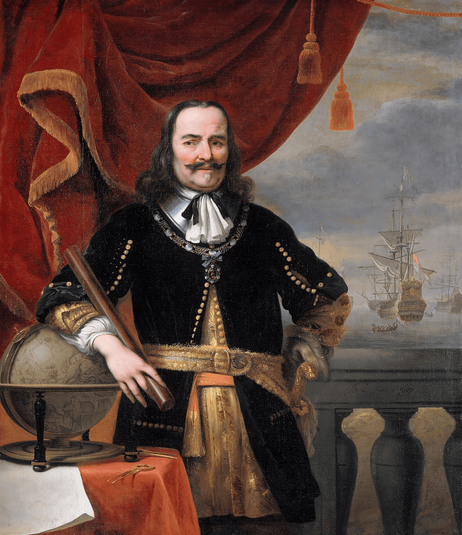
Michiel de Ruyter (1607–1676) was a prosperous merchant captain and initially refused a naval command in the conflict with England at the beginning of the first Anglo-Dutch War (1652–1654), which was about commercial dominance of the seas. He preferred a quiet life at sea. He came from humble beginnings; his father was a beer porter and his mother was a housewife. De Ruyter was persuaded by the Admiralty of Zeeland to command a fleet of privately financed warships. He accepted command of the Dutch fleet out of a profound sense of civic duty, patriotism, and loyalty to the Republic. While at sea de Ruyter left management of his business affairs and the provisioning of his ships to his third wife Anna van Gelder. His first wife died while giving birth to his daughter and his second wife died unexpectedly after the birth of his son.
In the 15th century, before the official Dutch state navy existed, maritime defenses were deeply connected with private enterprises. Wealthy merchants and local port authorities armed their own merchant vessels to combat piracy and protect trade routes. They eventually laid the groundwork for the legendary Dutch Navy of the Golden Age.
Under the command of Lieutenant-Admiral Maarten Tromp, Admiral De Ruyter quickly proved his worth as a tactical mastermind. He was highly skilled at maritime warfare and won important early naval battles, helping protect Dutch trade convoys and preventing total English dominance at seas. Realizing the economic damage to both countries with a never ending conflict, the 1654 Treaty of Westminster ended the war between the two nations, temporarily.
During the Second Anglo-Dutch War (1665-1667), Admiral De Ruyter became famous for destroying the British fleet in June 1667 on British soil. He was loved by his sailors and soldiers, because of his disregard for hierarchy, and was nicknamed ‘Bestevâer’ (grandfather).He was respected for risky and bold military campaigns, despite his cautious nature. The Medway raid was very bold and risky. The River Medway, a tributary of the River Thames estuary, lead to the English Channel.
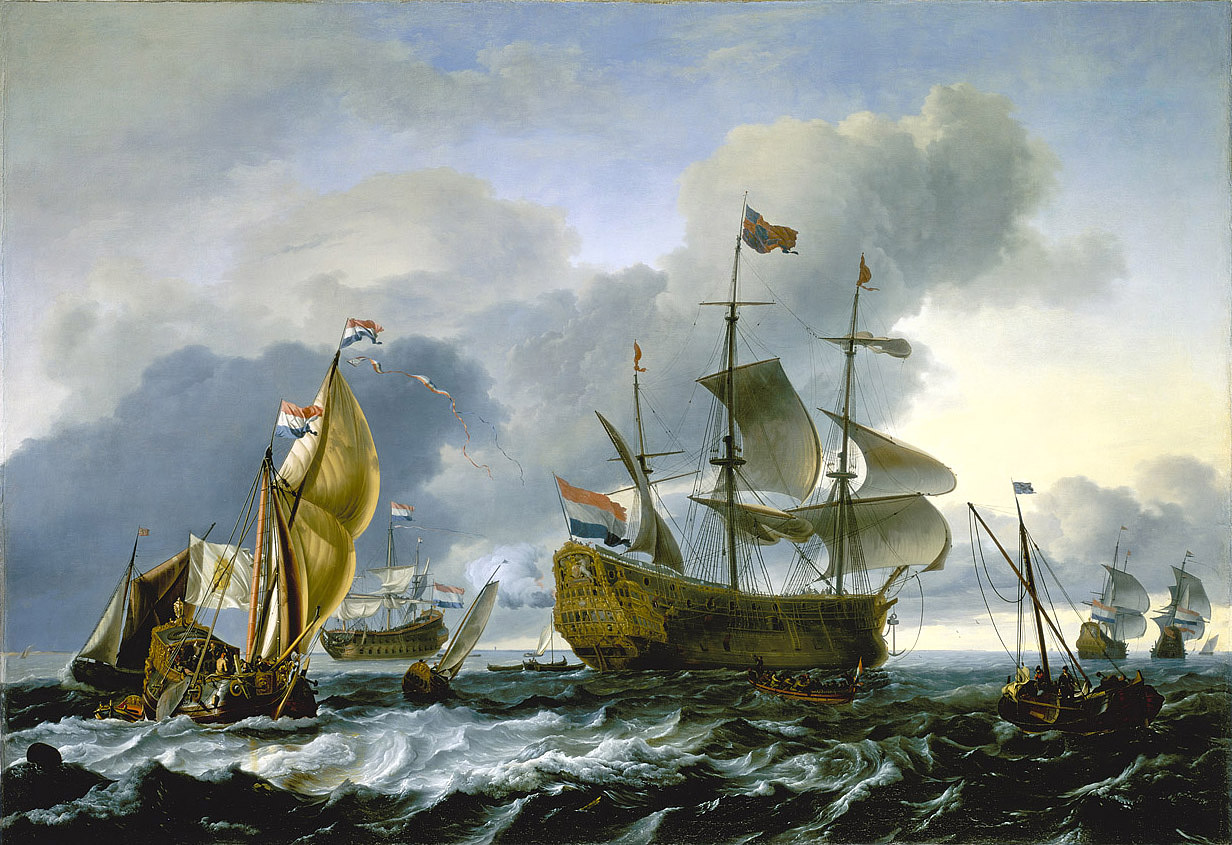
Near Chatham, east of London, there were a number of English heavily armed men-of-war moored at the docks. Risking the hazards of Medway’s dangerous shallows, sandbars and shoals, the Dutch burned more than ten British warships, captured two others and towed away the flagship of the English fleet, HMS Royal Charles. That was embarrassing for England’s King Charles II who named the man-of-war after himself.
The Medway raid brought a hasty end to the Second Anglo-Dutch War with the signing of the Treaty of Breda (1667) in the Dutch city of Breda. The treaty stopped hostilities for a time. Five years later, although Britain and the Dutch Republic were initially allied in opposing France’s Louis XIV, the French king bribed Charles II to change sides. Charlie did not forget Medway. The war against the English ended in 1674, but the war with France lasted until 1678.
Vlissingen fell on hard times during the 18th century, especially during The Napoleonic Wars (1803–1815) when this time France occupied the Netherlands. The town was entangled in a tug-of-war between the French and the English over Napoleon’s naval bases in Vlissingen and Antwerp. For fear that France would invade England from Antwerp and Vlissingen, on July 30, 1809 Britain launched the “Grand Expedition” to Walcheren island. The massive amphibious force consisted of over 600 naval vessels of all kinds, around 40,000 soldiers, and 5,000 horses. They were supported by 144 canons and “Congreve” missiles, the early version of rockets that took Americans to the moon. It’s a long story.
In early August, the English bombarded Vlissingen for several days and occupied the town and region, but not for long. Afflicted by the “Zeeland fevers,” a type of typhus mainly caused by drinking contaminated water, the English left Walcheren four months later leaving behind about 4,000 soldiers who died from the pandemic. The goal of breaking French maritime power in Antwerp was a bust. “Grand Expedition” remains the largest expeditionary force ever mounted in British military history.

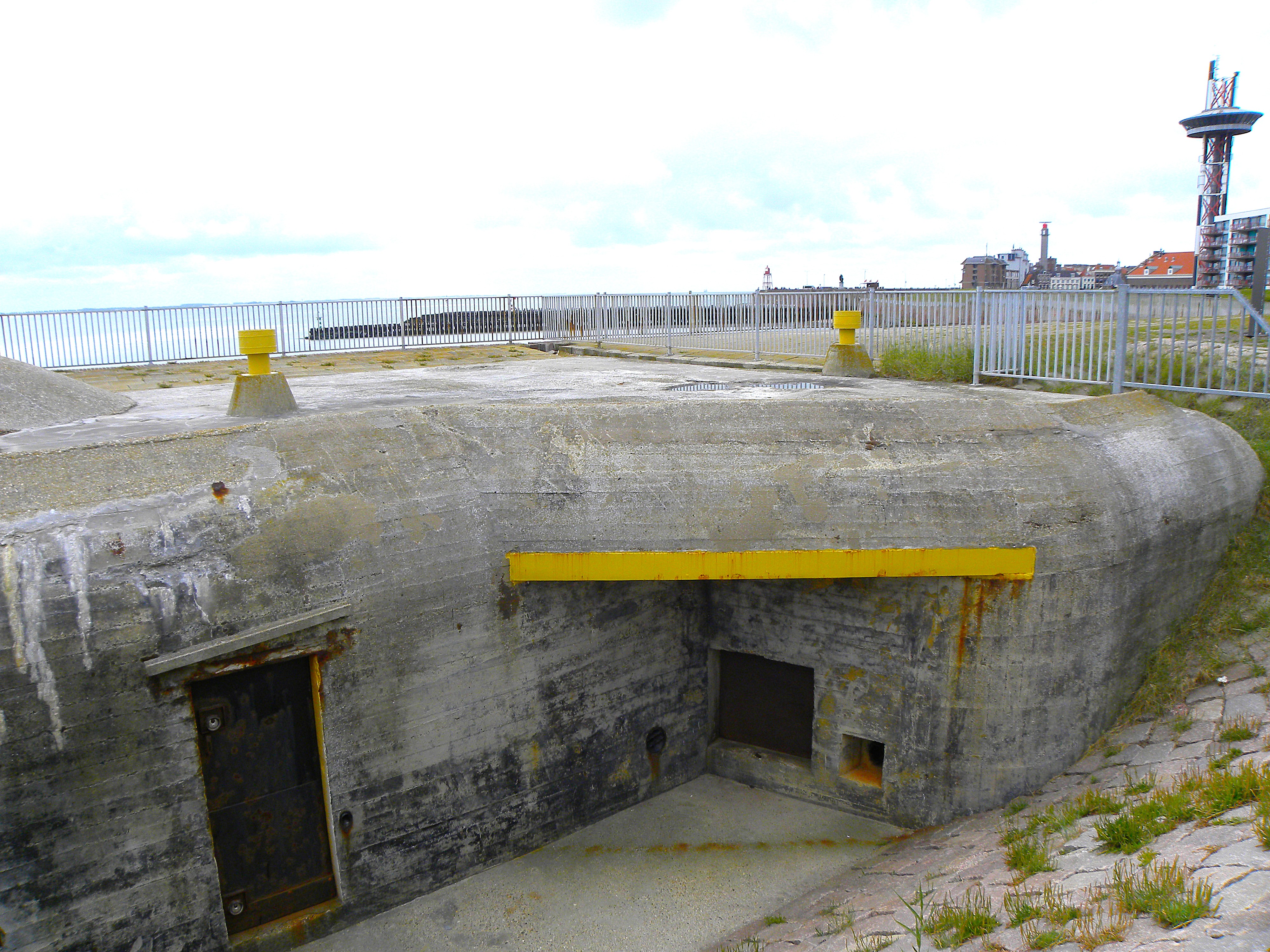
Fearing that England would again try to invade the Netherlands by attacking Vlissingen’s French naval base, Napoleon traveled to Vlissingen for the third time in September 1811 to look at the town’s defenses. He ordered existing forts to be improved and new fortifications to be constructed, including Fort Rammekens. He ordered the construction of thirteen additional military bunkers built into the sea wall. The fortified garrison allowed for a bakery capable of baking nearly 5,000 loaves of bread a day and thousands of croketten. deep-fried rolls originating in French cuisine.
The French left the Netherlands in November 1813 because of Napoleon’s retreat from Russia and his military defeat in Germany. The withdrawal left Vlissingen destitute The city had to be rebuilt. In 1814, hopelessness changed when the national government, led by the new King William I, decided to move the Rijksmarinewerf (State Naval Shipyard) from Amsterdam to Vlissingen. The yard gave work to 95 percent of the town. In the following years, Vlissingen became one of the few Dutch cities where the number of inhabitants and prosperity grew.
In 1860, Vlissingen had about 10,000 happy residents. The town was riding high, until eight years later when lobbyists from other cities convinced the Dutch cabinet to breakup the navel shipyard to a number of northern port cities because of “security concerns,” a favorite excuse of all politicians. Vlissingen was too vulnerable in case a new war broke out. Hundreds of people left the city. The city threatened to sink into an economic malaise again. Fortunately, that situation would not last long.
Around 1870 Vlissingen’s economy revived after the construction of new docks, the arrival of the railroad and the establishment of the NV Koninklijke Maatschappij De Schelde (the Royal Schelde shipyard) established by private investors who took over the former naval facilities. Since 1875, Vlissingen’s shipyard has built more than 400 vessel, navy and private, including the first Dutch submarine commissioned in 1906. Known today as Damen Schelde Naval Shipbuilding, its where most of the Royal Dutch Navy’s ships are still being built.
Vlissingen was one of the most fought-over cities of the Netherlands during WWII. There was heavy fighting during the German invasion in May 1940 and during the Allied liberation in 1944. The island of Walcheren was heavily fortified with a dense concentration of bunkers and pillboxes loaded with heavy guns and artillery that were manned by more than 10,000 German soldiers. It was part of the Atlantic Wall, a massive 5,000-kilometer system of coastal fortifications built by the Nazis from 1942 to 1944 along the coast of Western Europe and Scandinavia.
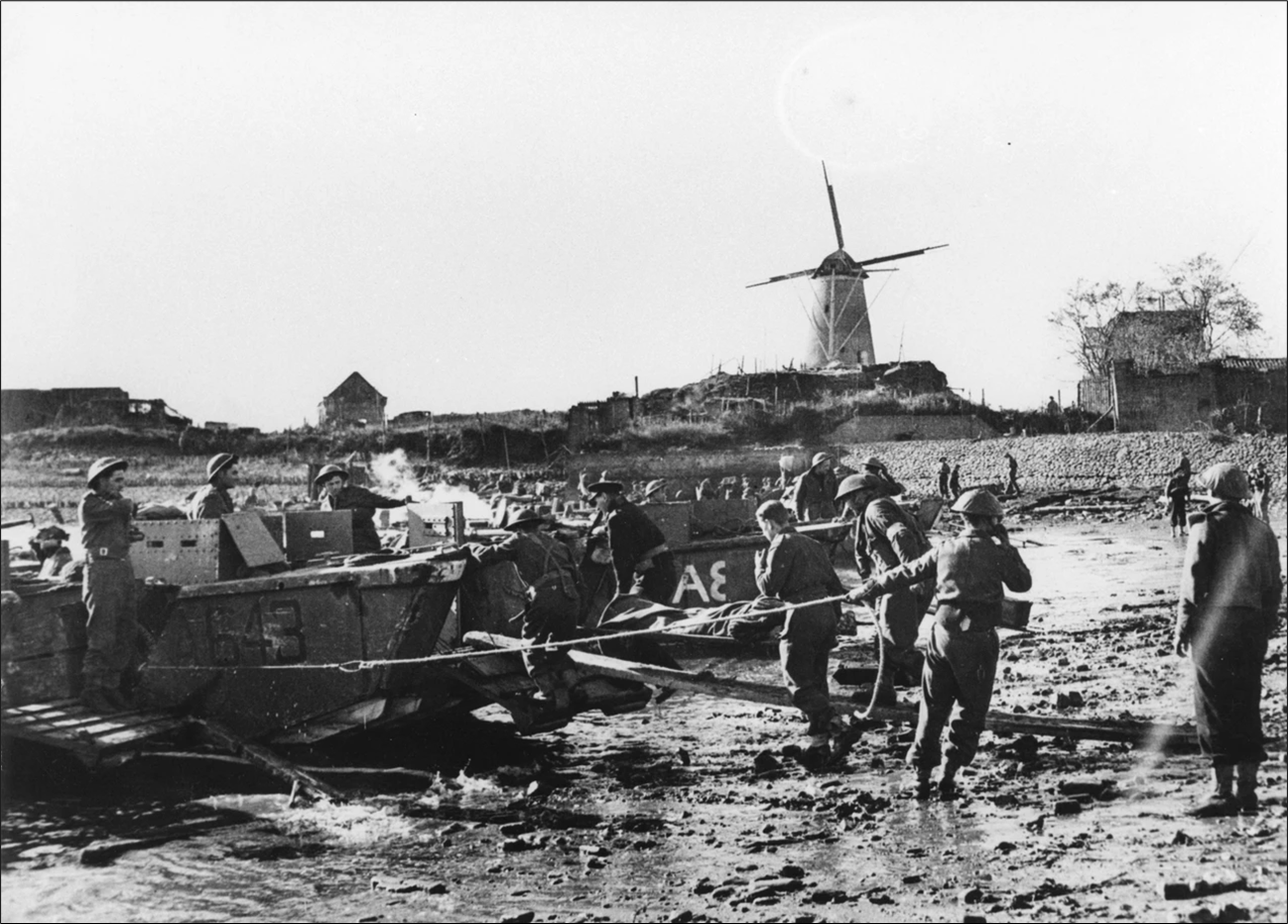
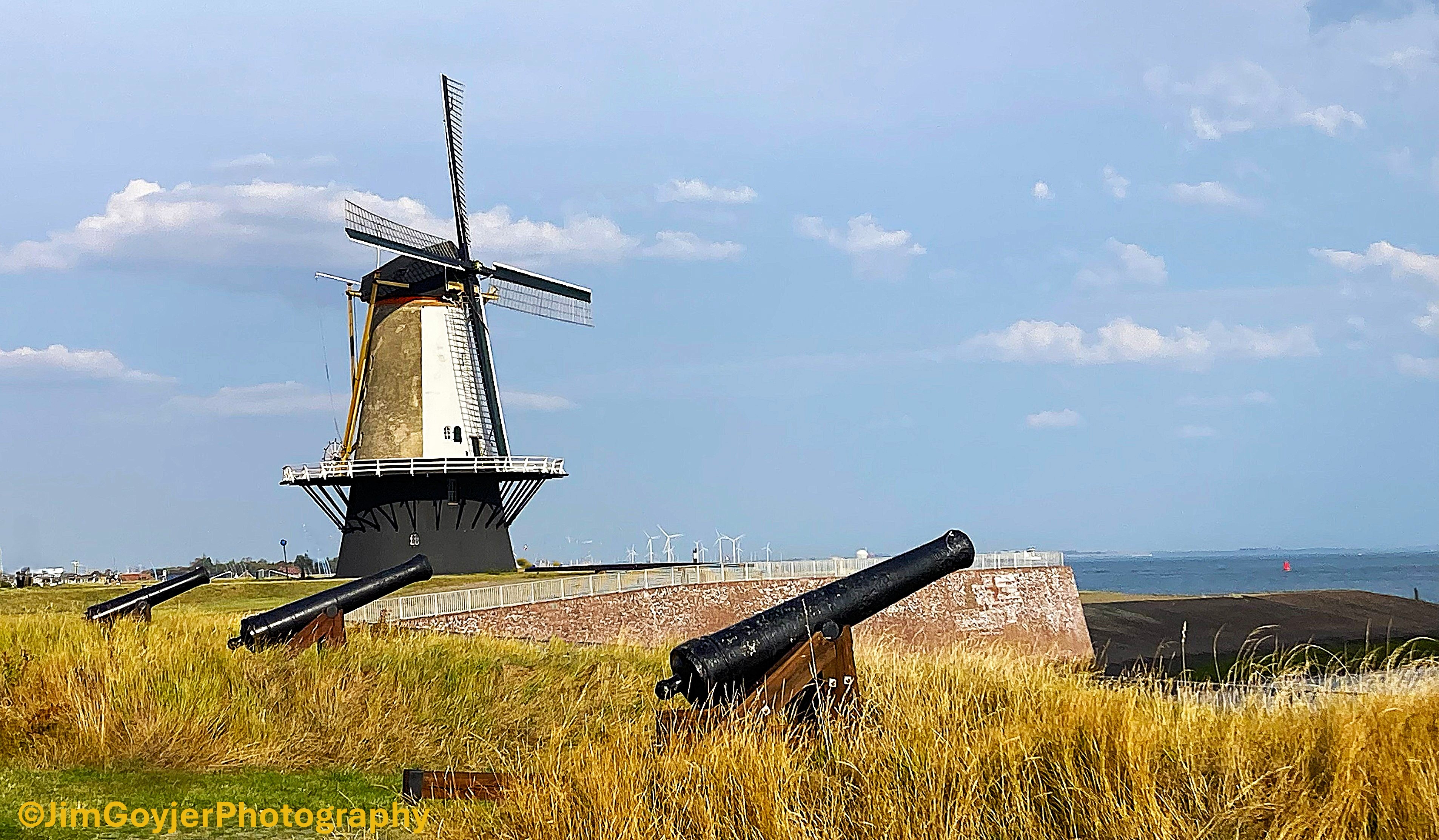
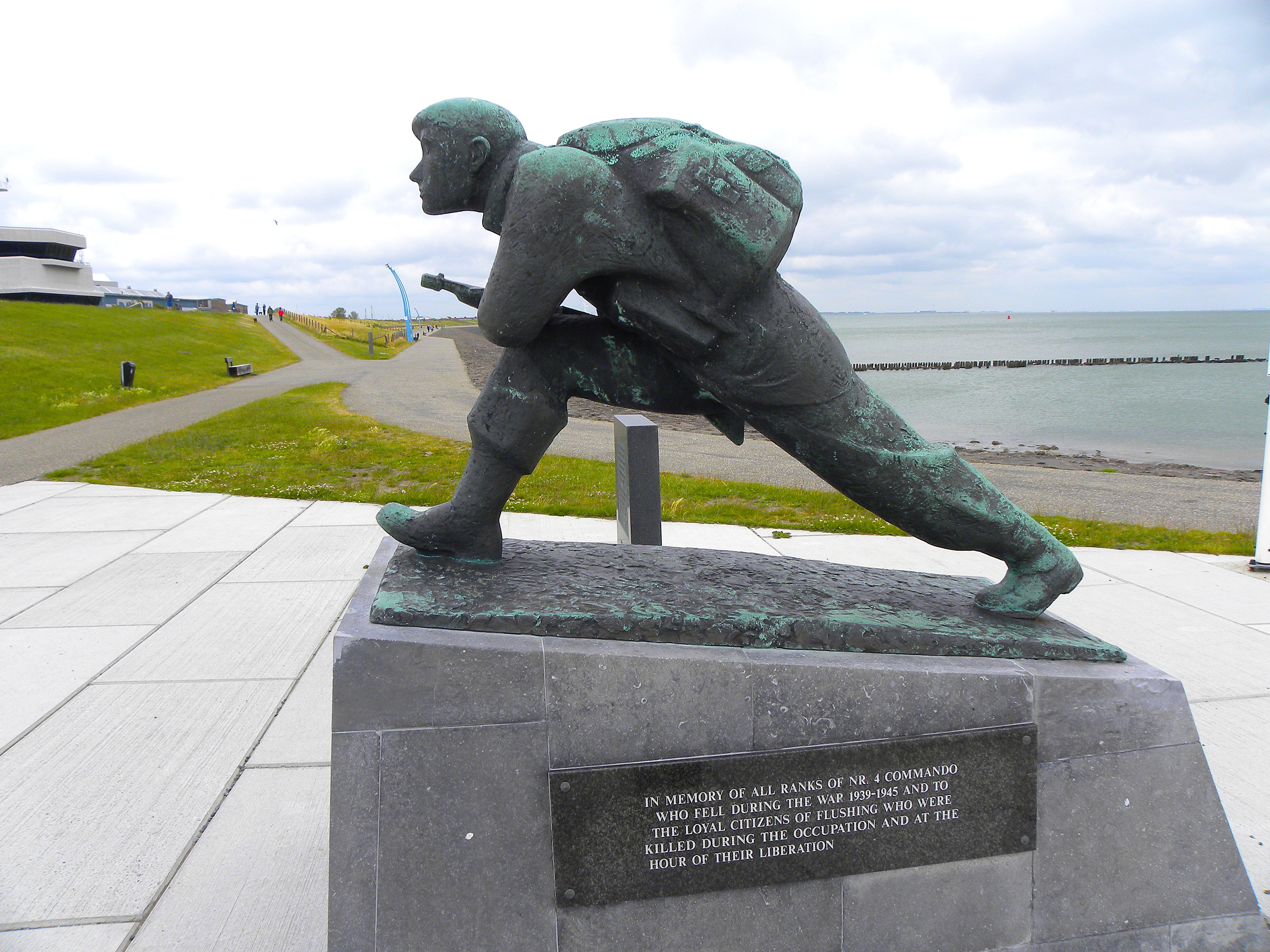
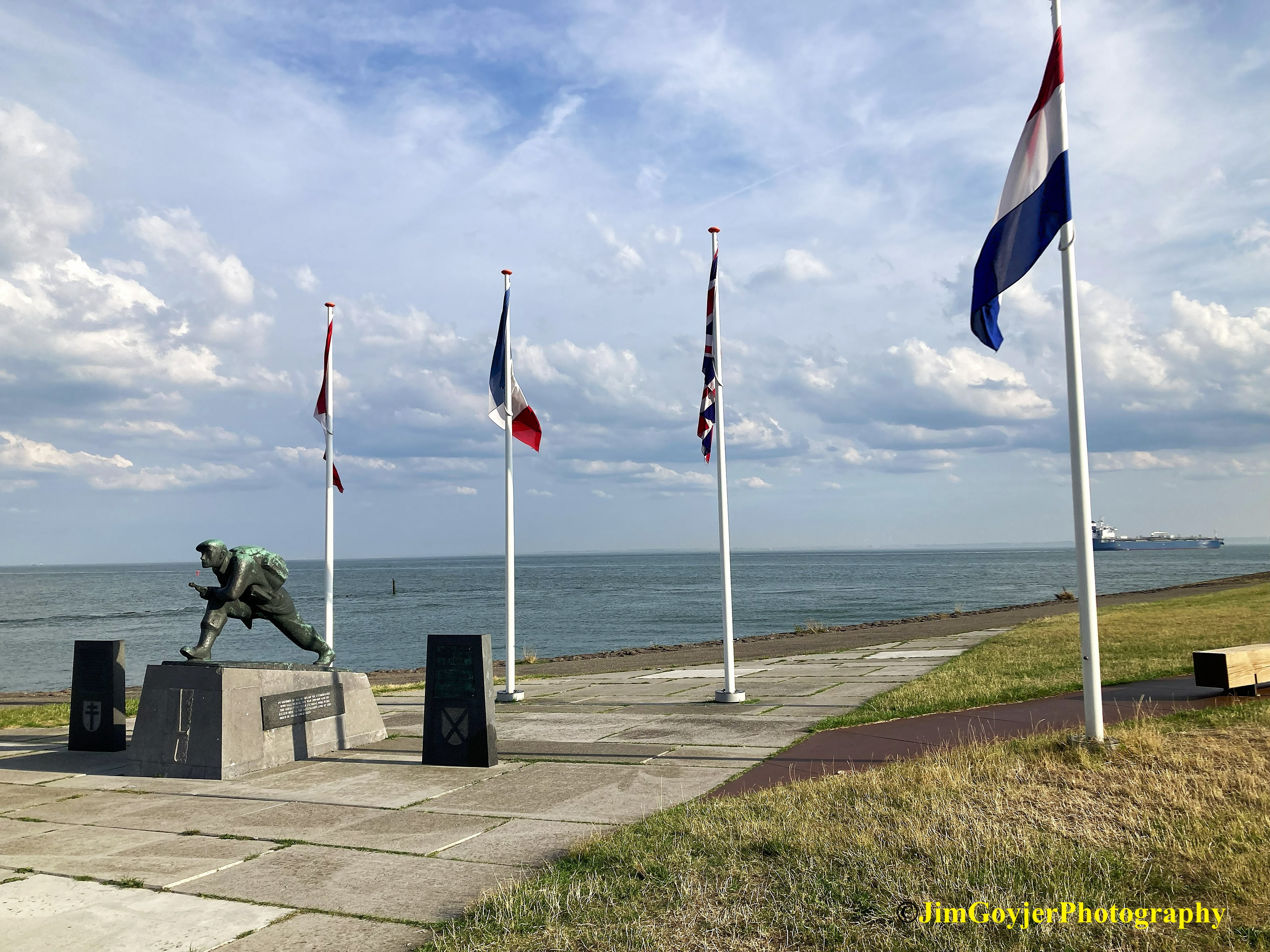
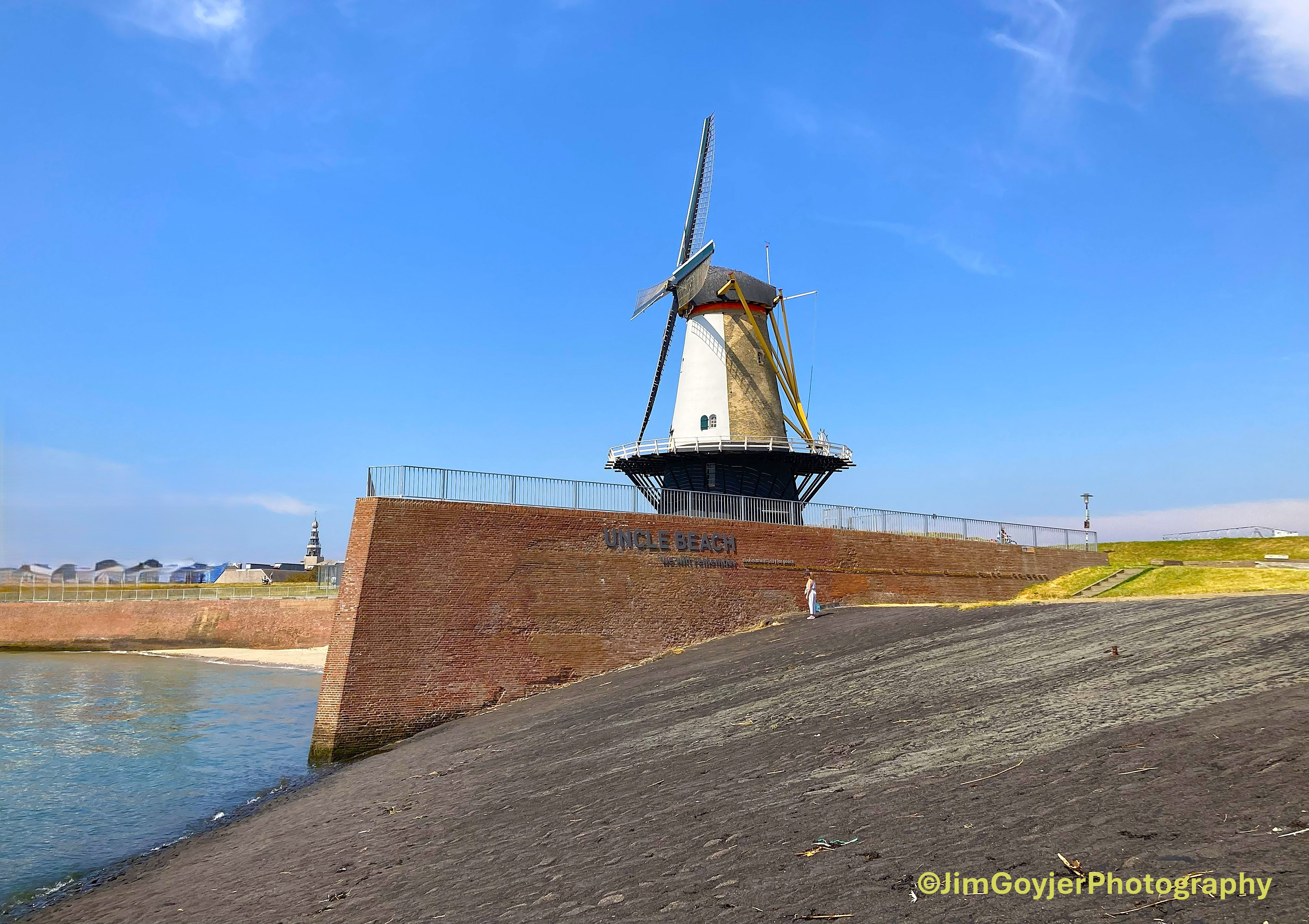
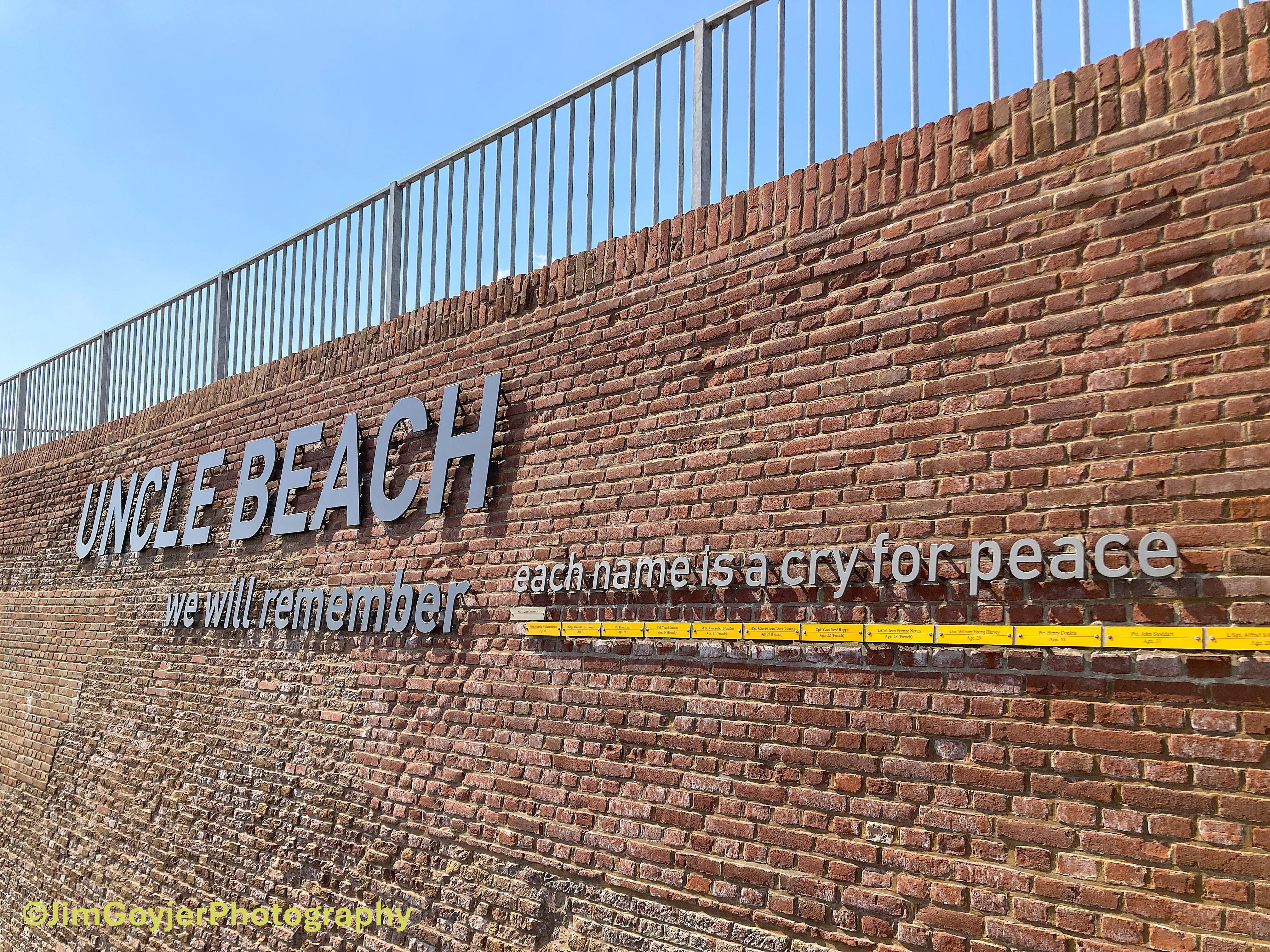
Starting on the morning of November 1, 1944, the Canadians bombarded the city for an hour with heavy artillery. While the town burned, filling the morning darkness with a red glow, the British No. 4 Commandos of the Special Service Brigade saw the black silhouette of the Oranje Molen (Orange Mill) marking the location of their landing, Uncle Beach. Eleven Dutch commandos took part in the landing, including Corporal W. de Liefde who landed at 05:45 with the first reconnaissance boat.
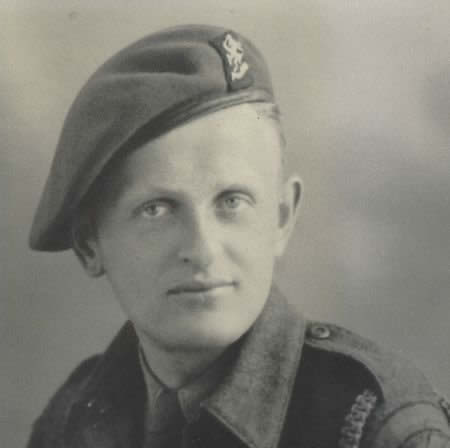
Alone, de Liefde climbed onto a pier to mark the landing spot for the other boats, waving a green lamp. The commandos stormed the beach, quickly put the Germans out of action and cleared the mines and other obstacles on the shore for the other liberators, the French 1E Marine Commandos, the British 52nd Lowland Division and the 155th Scottish Brigade.
Capturing Vlissingen was part of Operation Infatuate, with a main goal of securing the sea route to Antwerp, Belgium. At the end of the war, Vlissingen counted only one house with no war damage. Today, the city is filled with monuments, memorials and other traces of the war. Dutch Corporal de Liefde (the Love) rose to First Lieutenant, received the Bronze Cross for Valor and passed away in 1951 in Eastbourne, England.
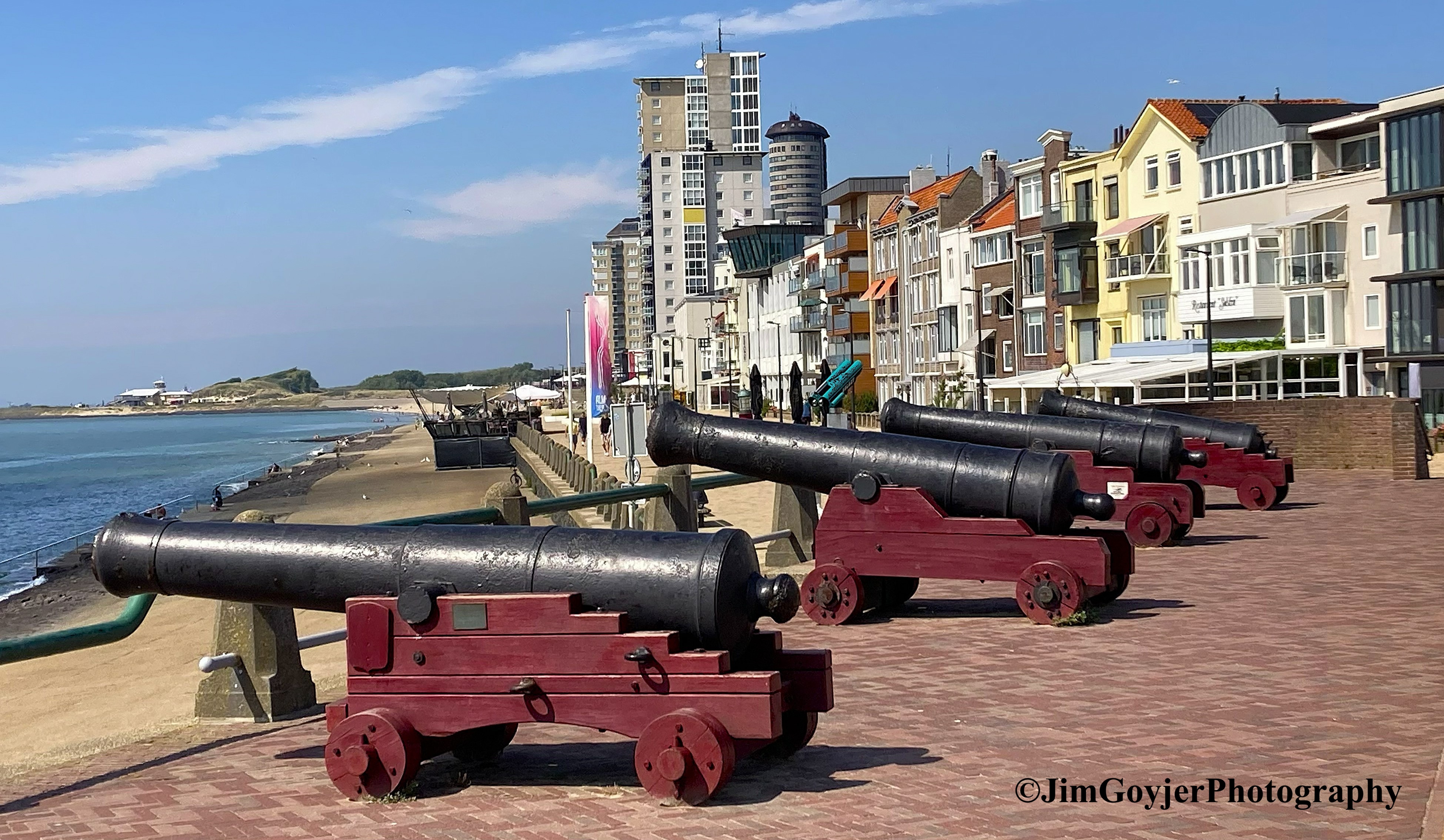
The city was rebuilt after the war. In the 1960s, the seaport and industrial area developed and flourished. Today Vlissingen is the economic driving force behind central Zeeland, which includes tourism. In the nineteenth century the first hotels were built and since then Vlissingen has become a magnet for visitors, especially beachgoers and sun worshippers. The four kilometer long promenade provides places to eat, drink, shower and to take a selfie with old Medieval cannons. Nearby are shopping centers, if the sun, the beach and watching boats go by are too are just too much.
++++++++++++++++++++++++++++++
Banner Poto Courtesy of VVV